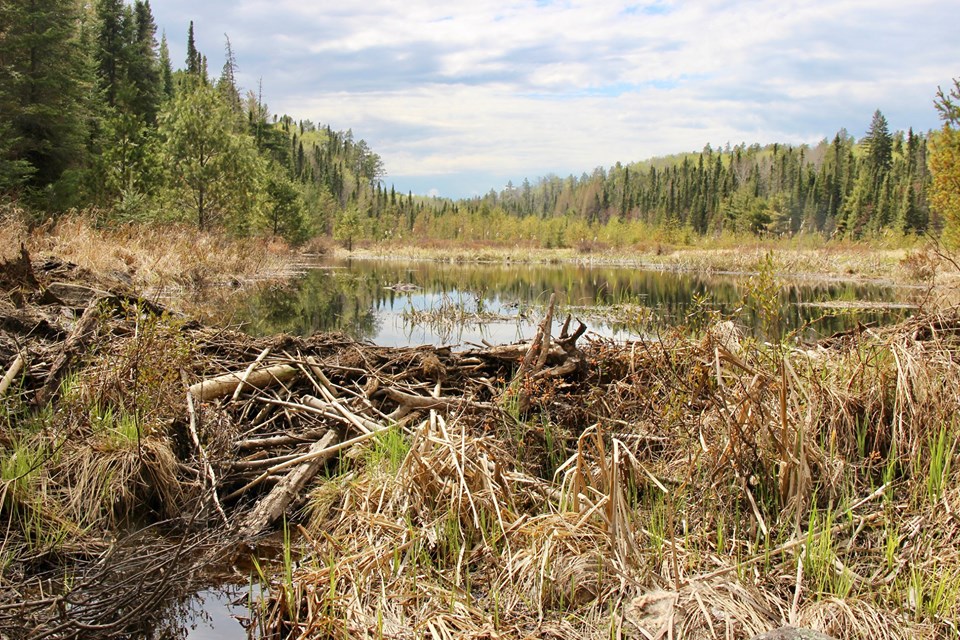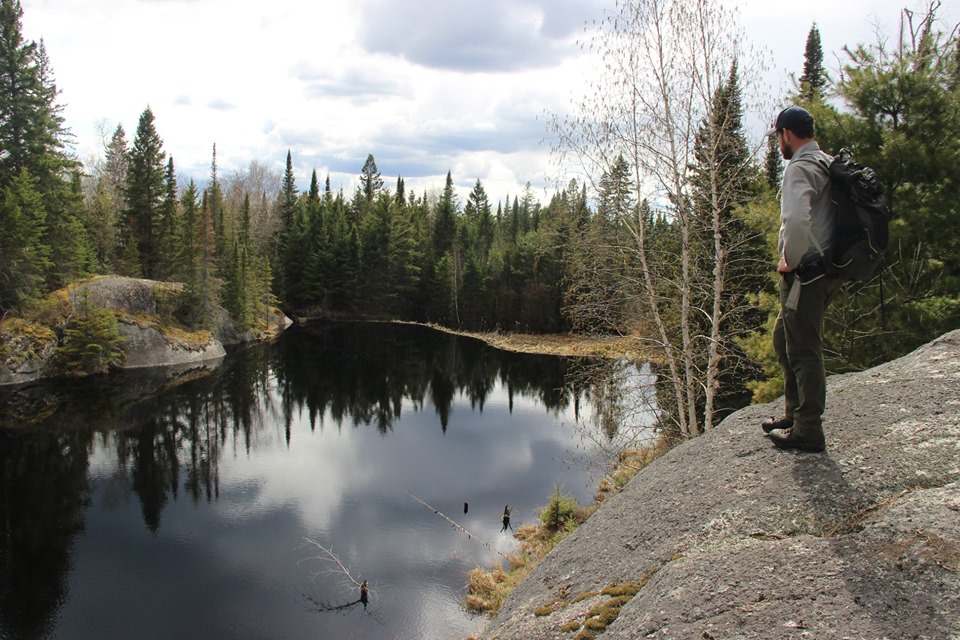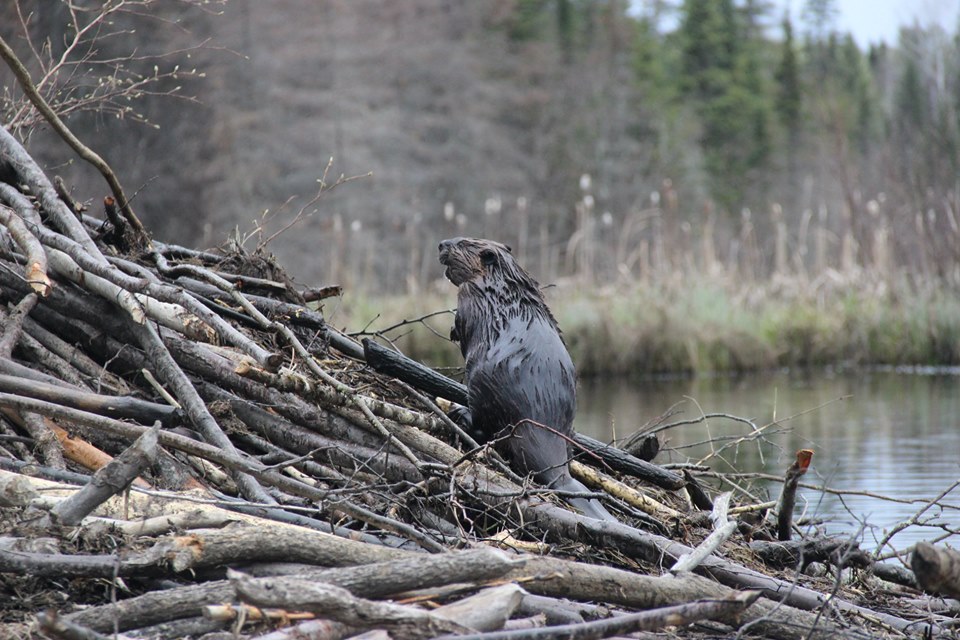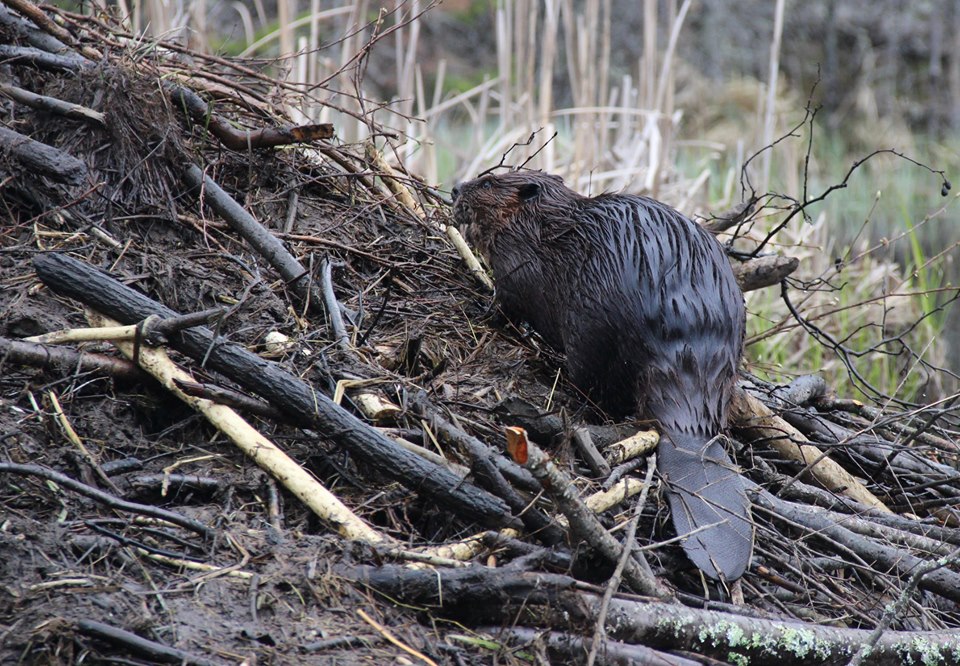





Because the beaver isn't just an animal; it's an ecosystem!


FacebookFacebook
email articleemail article

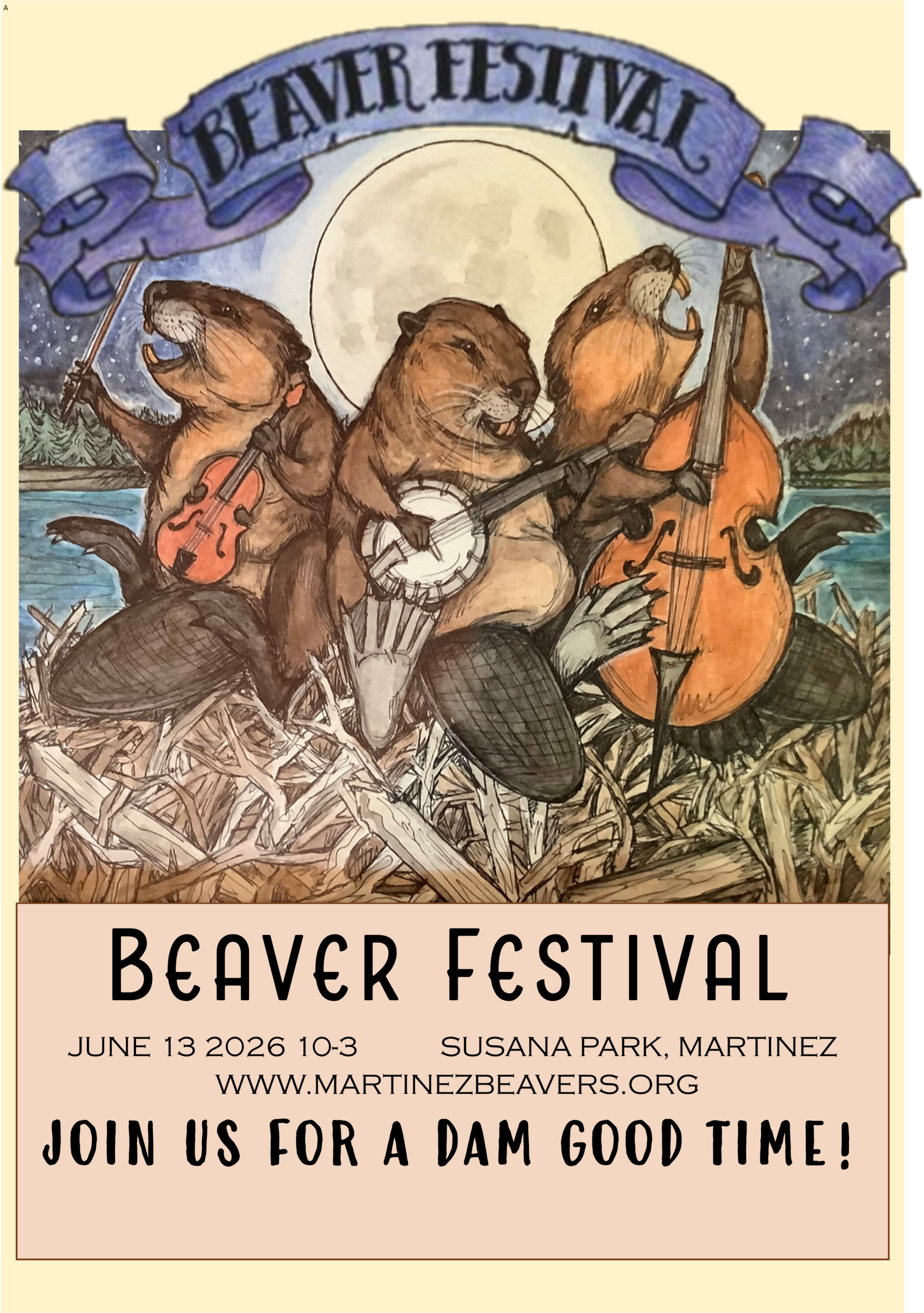
Yesterday’s grueling job was finishing the festival map and making sure that there was room for everyone in the park.  Last year we experimented with filling the outsides of the park and some exhibits were unhappy with the amount of engagement they received so this year wenre smushing everything back together to keep activity on the inside of the park.


Which means measuring with a fine tooth comb to make sure there’s room for everybody and an aisle to get in and out. Poor Jon had to run back to the park three times just to make sure the numbers were right. But in the end I was pretty grateful everyone fit and things would  work. One advantage of everyone being in the interior is that everyone will have an ‘across the way neighbor’ which means that when folks finish at one booth there is another close by to visit. That should increase engagement fingers  crossed. And mean that everyone isn’t too far from the artist, the music or the restrooms.

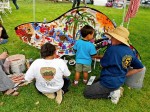
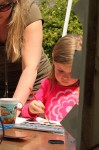
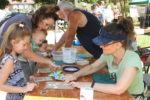
The nice thing about seeing it on paper is that you can imagine the children’s activity and how they will have to hunt down map fragments in every row to get pieces they can then reassemble at the map making station to find the lost key.

Thank goodness Erika will be helping them and tasked with the assembling.  All in all it looks like a pretty active event, with 40 exhibits (f you county Amy chalking in the center). Today’s job is getting something in Diablo magazine and final touches on my presentation at Safari West. Oh, plus our labrador Kenzie has a toothache and has to go to the vet. Nothing is ever easy.

Meanwhile folks across the pond from Port Moody are still determined to be as stupid as possible.

Province continues to investigate Saanich’s Horticultural Centre of the Pacific

Investigation stems from May 2 incident that turned Colquitz River ‘chocolate brown’

It remains uncertain whether a Saanich non-profit had the necessary permits to perform work responsible for a spill into a local salmon-bearing river already facing various strains.

The Ministry of Forests, Lands, Natural Resource Operations and Rural Development is investigating whether the Horticultural Centre of the Pacific (HCP) had the “appropriate permits” under the Water Sustainability Act to remove a beaver dam on Thursday, May 2.

Various public and private authorities have deemed the removal of the dam responsible for triggering a spill of warm, sediment-rich water into the Colquitz River from a weir part and parcel of the HCP.

When are people going to realize that removing a beaver dam is BAD for fish? I know they have fun pretending it’s good for fish, but lots of us know better. Having the ministry of forests investigate whether they did this with the correct permits is ridiculous. Why would anyone hand out a permit for this vandalism? And even if they DID how much investigation would it take to determine whether they did or didn’t?

You and I both know that what they’re really investigating is whether to tell the truth or not about who’s to blame for this fish fiasco.

Ian Bruce, executive director of the Peninsula Streams Society, said he witnessed the river turn “chocolate brown” on Thursday, May 2. Students from Royal Oak middle school were releasing Coho fry into the river at the Wilkinson Road and Lindsay Avenue when the level of the river suddenly rose four inches in height, said Bruce, whose organization hosted the students.

“The clear, slow moving water became chocolate brown with sediment, and began rushing by,” he said. Its temperature rose from 10.8 degree Celsius to 18.5 degree Celsius, while the level of dissolved oxygen dropped by more than half, he added.

Bruce said the spill could lead to the failure of future salmon runs.

Why on earth a non-profit worth its salt wouldn’t know better than to rip out a beaver dam is beyond me. But here’s their website if you share my inclination to shame them. They look a lot like Heather Farms where folks can have weddings and audubon meetings.  They probably never exhibited at a beaver festival.

Maybe that could be part of their fine?


FacebookFacebook
email articleemail article

This summer Ben Goldfarb and beavers go to Embercombe.

Return Of The Beaver

With Derek Gow, Ben Goldfarb and Professor Richard Brazier

A short residential course and a practical guide for those considering the reintroduction of beaver to their land.

In collaboration with University of Exeter

Embercombe is a beautiful and wilding 50 acre valley on the edge of Dartmoor. It is place to find a deep connection with nature – wild nature around us and wild nature within us. It is a place to breathe, to reconsider, to regenerate and to relearn. It is a place to get clear on what it is you have to offer the world and become passionate about who you are and what you do. It is a place to join the conversation, pick up the skills and get started.

We are joined by Derek Gow, Ben Goldfarb and Professor Richard Brazier to look at the wider implications, the challenges, the specific ecosystem benefits and the practical considerations when introducing this species back into wilding or managed habitats.
We will be exploring the current situation in Great Britain as more and more landowners introduce this species as an attempt to restore ecosystems, mitigate flooding and improve land and water quality. We will consider the lessons being learnt along the way, how we can share experience, logistics and spread positive impact. We will look at how to limit the negative impacts, and how to communicate and get involved in this important work.

We will also be considering what lessons can be learnt from the study of beavers in the United States, a country much wilder than ours, with wolves, bears, moose and many other species that have been eliminated from our native fauna. What can we learn about the role of beavers in relatively intact US ecosystems as we consider where they might fit in the restoration of ours? What are the longer term benefits for ecosystems and landowners from working alongside this species for several generations, what have been the conflicts and what measures are conservationists in the US now taking to bring back beavers into areas they have yet to colonise?

This course includes a field trip to see Beavers at Derek Gow’s farm.

I wanna go! Don’t you? A summer trip to the south of England to learn from the very best beaver minds on the planet?  You have to understand that if you’re English, Dartmoor is like Yosemite and conjures up the same rugged wild images and same wistully indrawn breaths as a tale of John Muir. Jon used to camp there with his entire family and one time the huge parade of 8 hungry children ran out of food and famously had to purchase bread used to feed pigs from a nearby farmer. Embercombe is literally flanking some of the most wild land in the UK. What a wonderful place to sit by the fire and tell stories about beavers!

Of course exploration ain’t cheap. The three day course will cost you a cool 235 pounds for a shared yurt (around 300 per person), But imagine how incandescently differen’t you’ll be at the end of it.


FacebookFacebook
email articleemail article

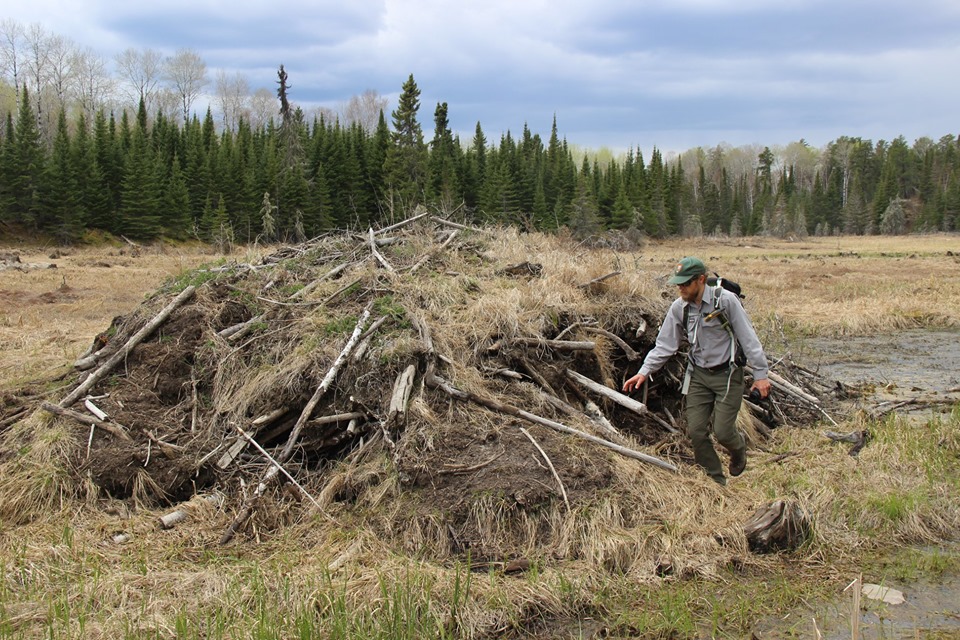
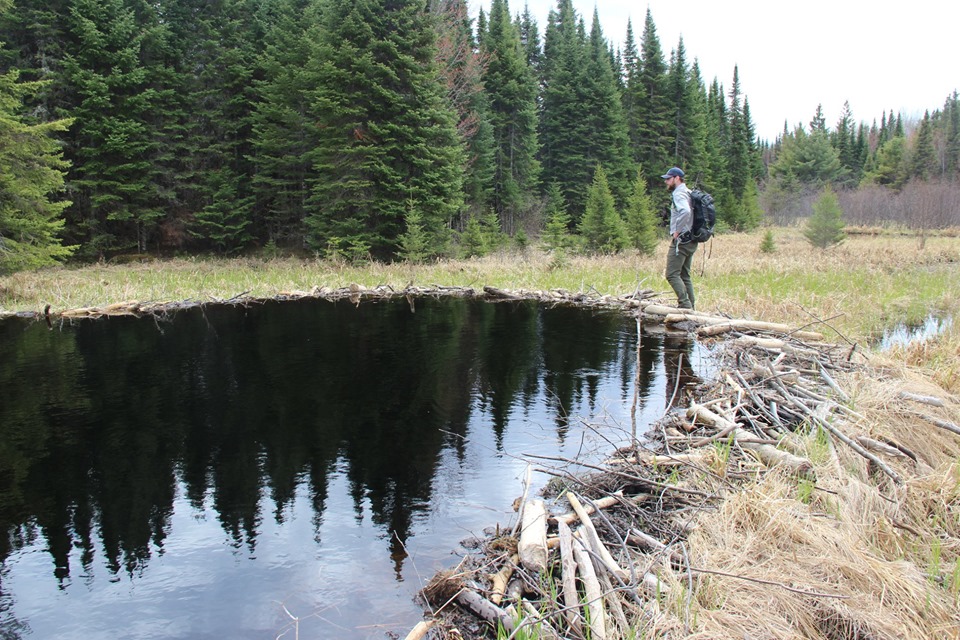
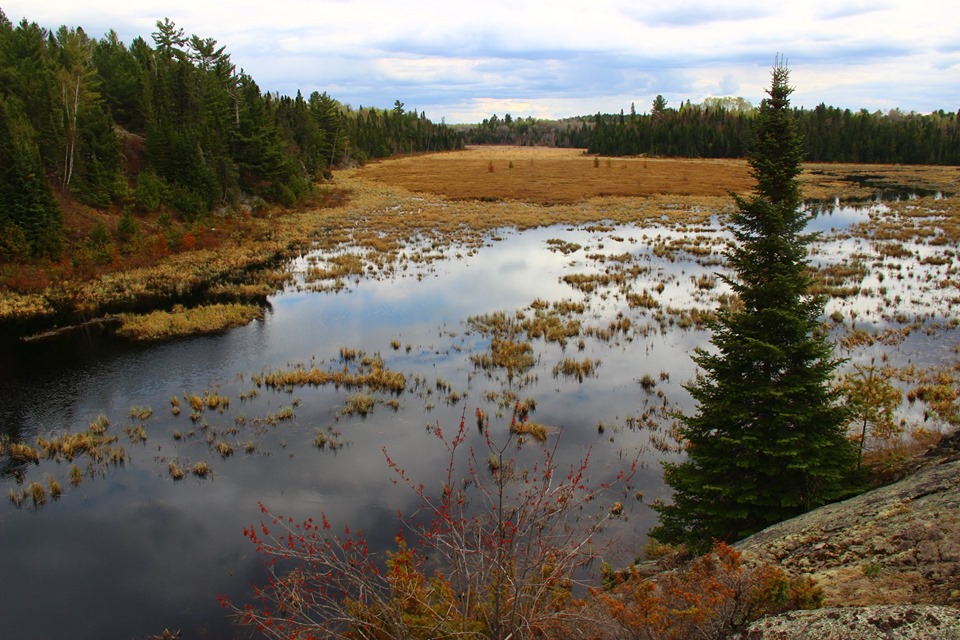
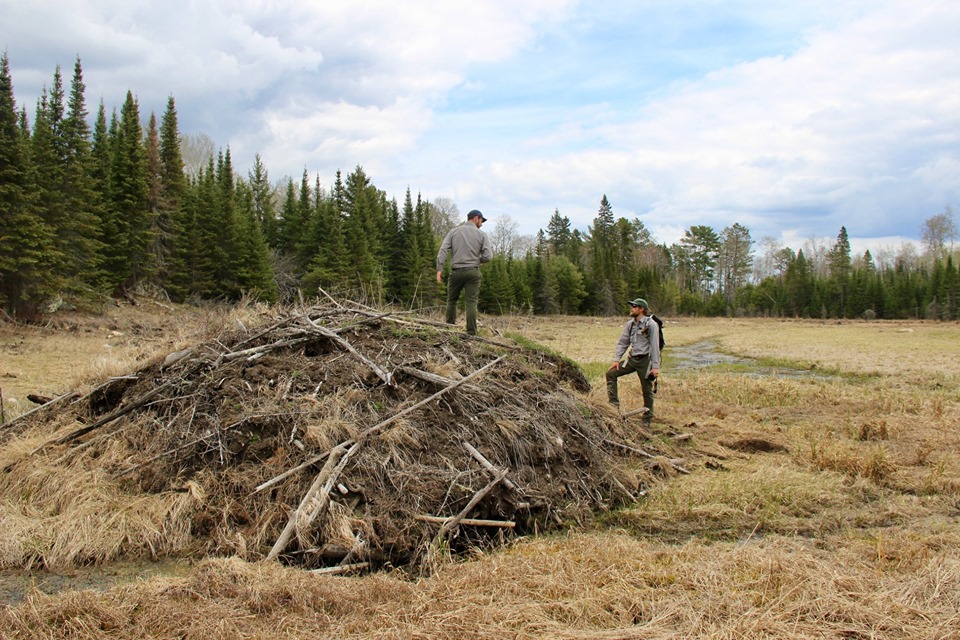
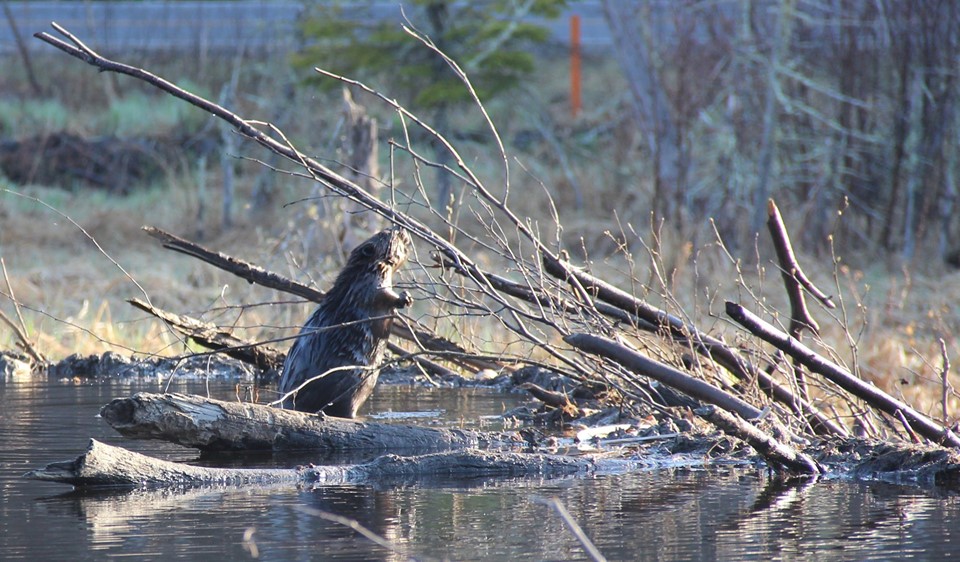
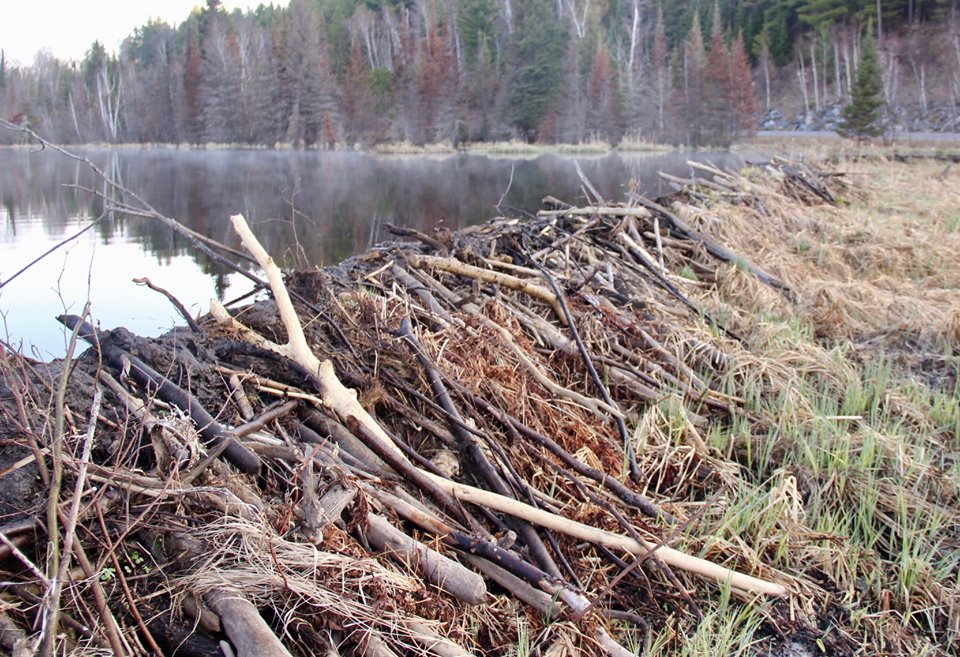
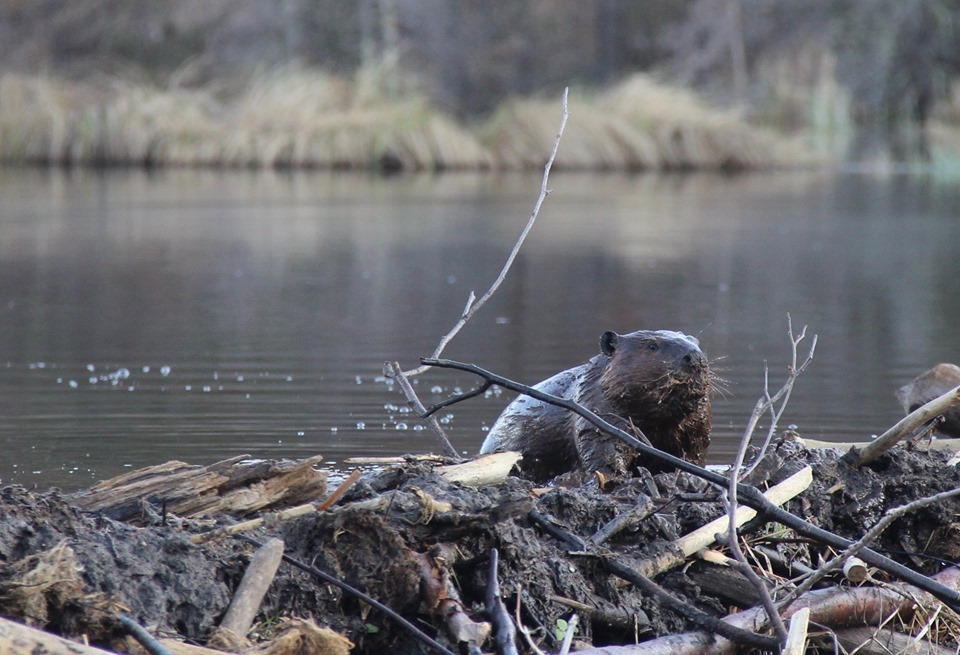
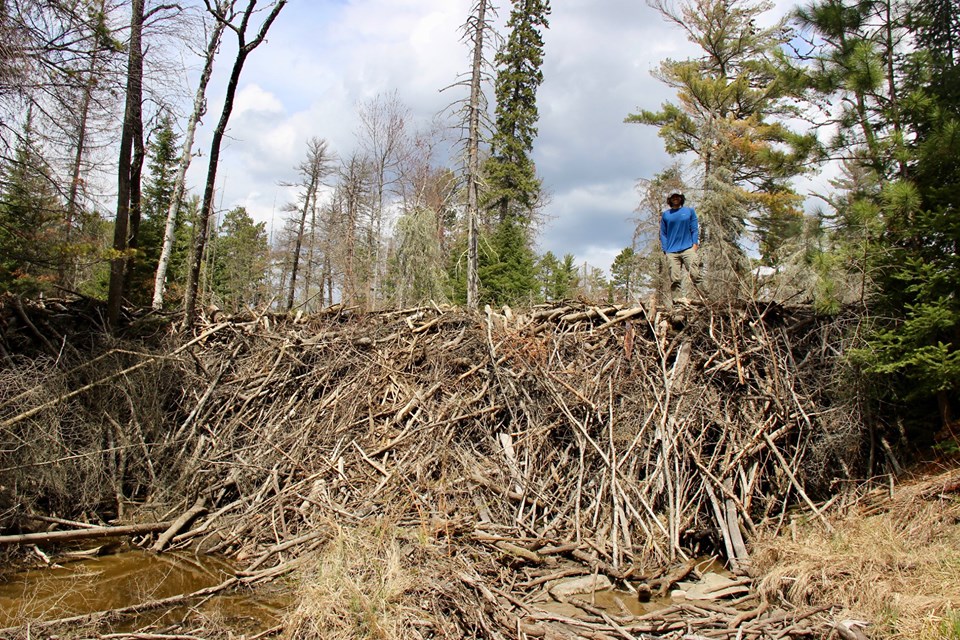
I know it doesn’t feel like Christmas morning, but our favorite author Ben Goldfarb just got back from a field trip to beaver-topia and you’re going to feel like you’re opening all the best presents when you see what he found there. Let’s let him tell you about it. Here’s what he posted on the beaver management facebook forum.

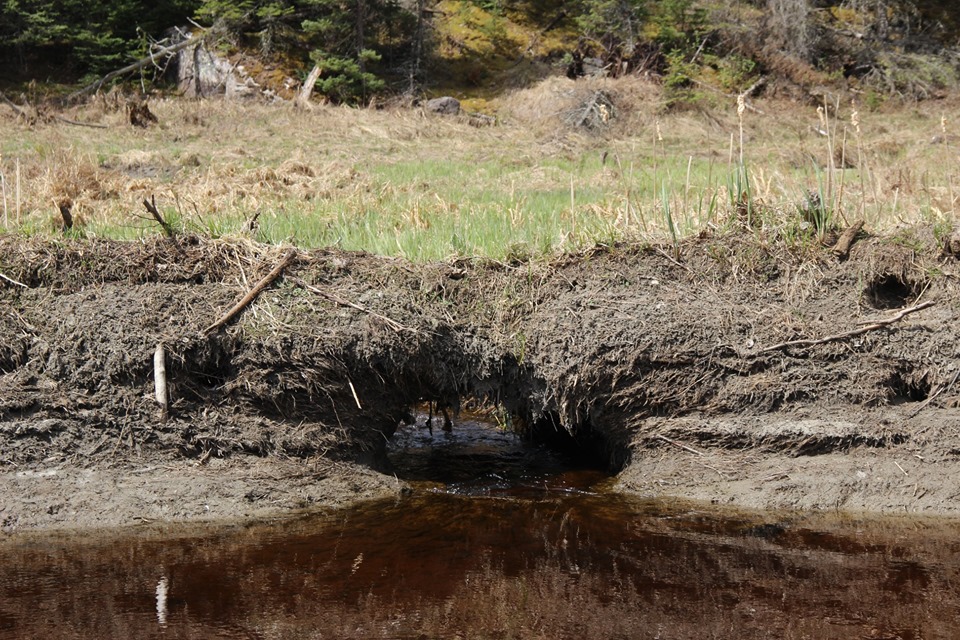
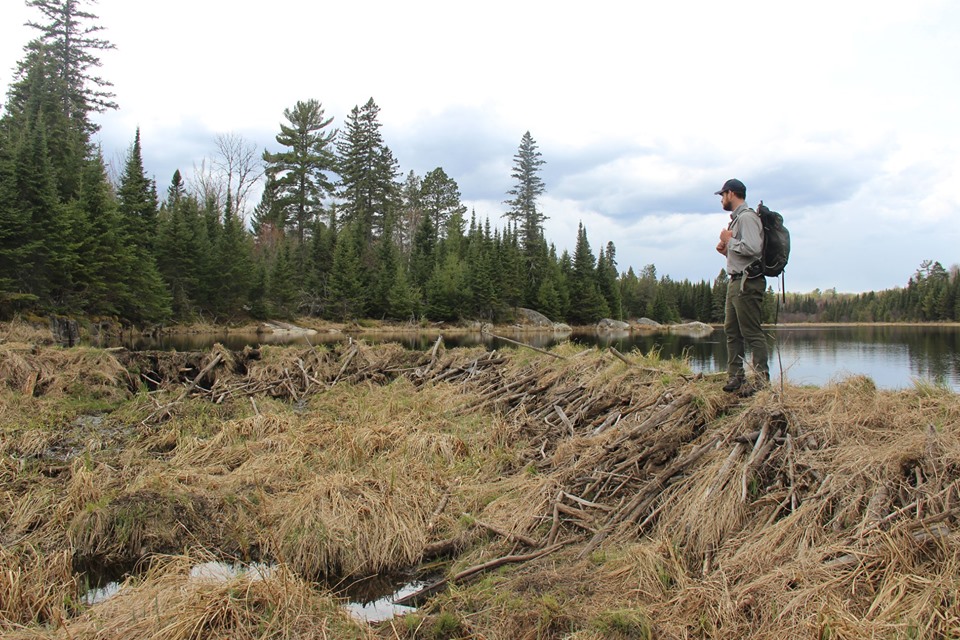
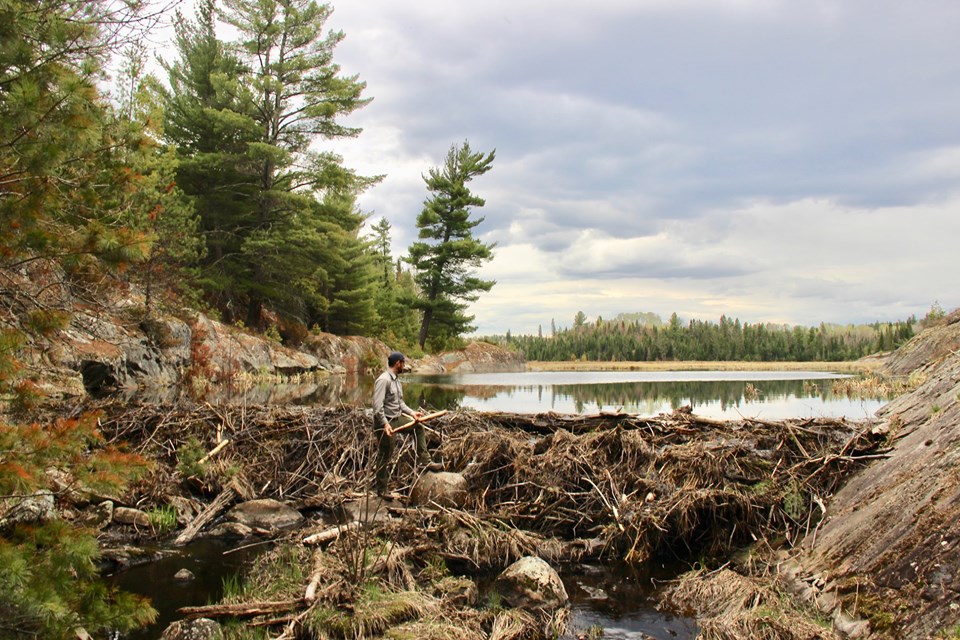
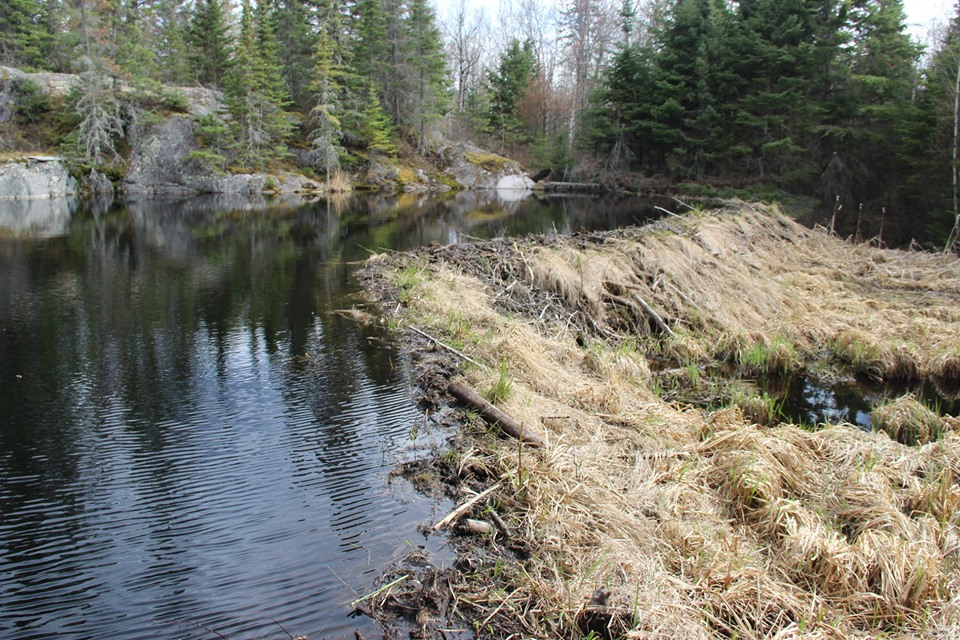
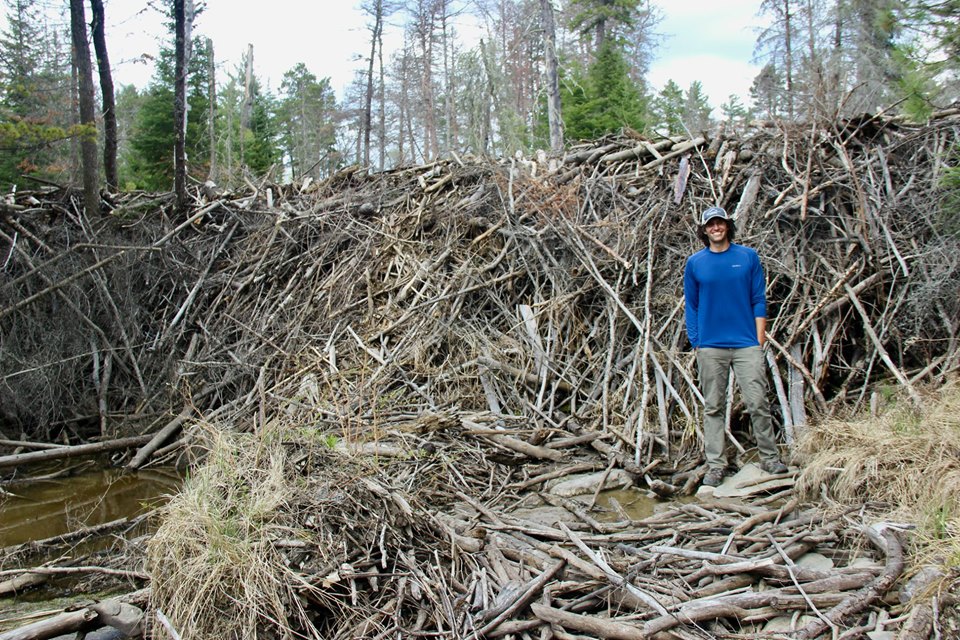
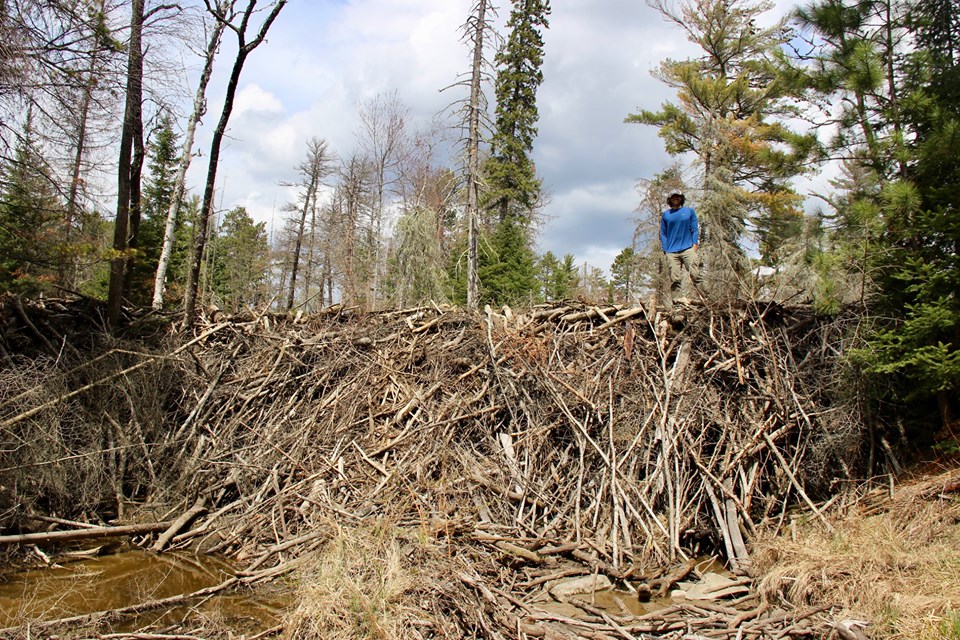
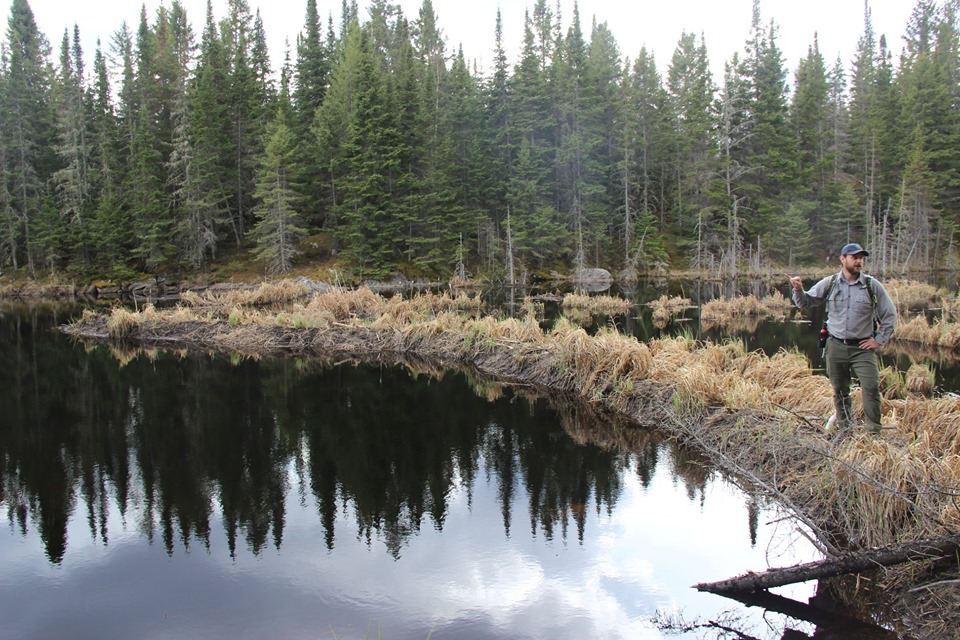
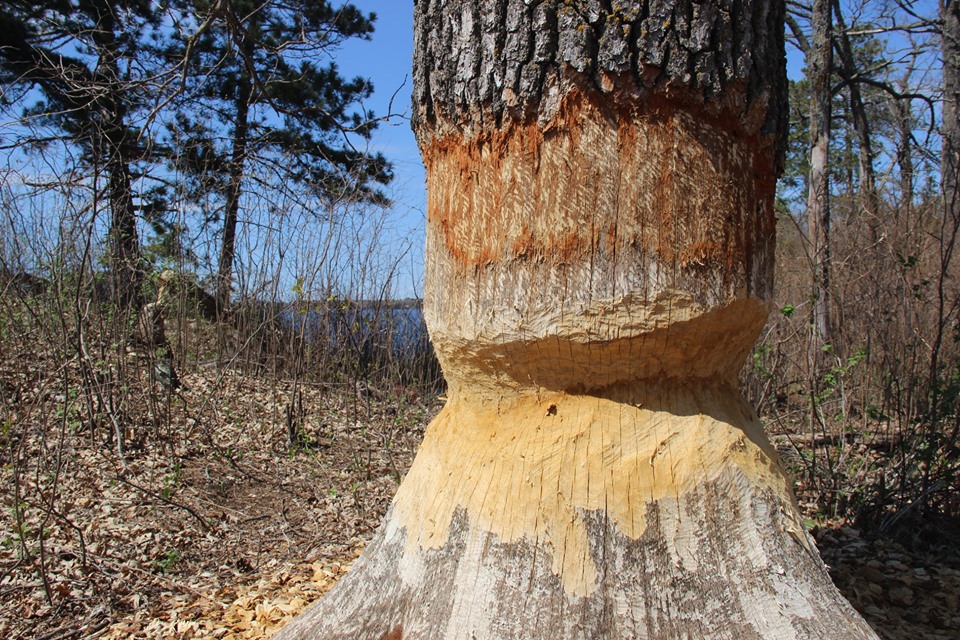
A few pics from my pilgrimage to Voyageurs National Park last week, where the beaver populations are dense and the dams are epic. Highly recommend this place to every Beaver Believer — it’s a powerful testament to what our favorite rodents are capable of unfettered, and, perhaps, a window into pre-colonial landscapes. Some of the castorid architecture truly boggles the mind.

just Save imagine what North America would look like if we hadn’t hat-hunted all the beavers. It’s stunning to consider what the landscape might have been; layered with cascading habitat worked and maintained for centuries – always water where you wanted it and very rarely where you didn’t.  Once upon a time there was an entire continent built to lovingly cradle and release water like some kind of giant and wildly maintained beaver-Tivoli.


FacebookFacebook
email articleemail article

Representative Ian Mackey, a Democrat from St. Louis County, was vehemently opposed to the bill, and said in a passionate address to his colleagues: “Women brought all of us into this world, and I sure hope they vote all of us out.”

Missouri hasn’t been behaving exactly like the Show-me state lately, passing such spectacularly bad legislation that it’s making headlines, but surprisingly it has has found time for an epiphany. Wetlands are important. Who knew?

The importance of Missouri wetlands

Many people are realizing the important roles wetlands play in re-charging and stabilizing underground aquifers, moderating flood waters and governing the flow of water. On top of these qualities are the recreational benefits some of our wetlands provide to millions of hunters, anglers and nature-viewers each year.

May is American Wetlands Month. That means this time of year is a good opportunity to focus on a habitat most people have heard of, but when pressed for details, many might have a hard time defining. Sadly, wetlands aren’t as common in Missouri as they once were, either.

It’s estimated there were between six and nine million acres of wetland habitat in Missouri when the first settlers arrived. Things are much “drier” today – there’s under a million acres of wetland habitat in the state.

Wetlands are an important – and in some areas – a disappearing – part of Missouri’s natural landscape.

You’re kidding! Those swampy good for nothing corners that are useless for building and too wet to plant crops. They matter?  Time for a crash course.

A wetland is an area containing enough soil moisture to support a variety of water-tolerant plants. Coontail, smartweed, duckweed, wild millet and cottonwood trees are just a few of a number of plants that have adapted to growing in areas of standing water and/or saturated soils.

This vegetation serves a number of purposes to the wetland. The plants’ seeds, leaves, roots, fruits and nuts provide food for a variety of birds and mammals. Vegetation also provides nesting habitat and/or brood-rearing habitat for many birds and mammals and, in deeper water, spawning and egg-laying areas for fish and amphibians. Wetlands provide autumn and spring stop-over sites for millions of migrating waterfowl and year-round habitat for some. Put it all together and you have one of Missouri’s most diverse habitats. It’s estimated nearly half of the plant species found in the state are associated with wetlands and more than a quarter of Missouri’s nesting and migratory birds depend on wetlands for part of their life cycle.

But wetlands benefit more than just the plants and animals of the state. Studies have shown wetlands help reduce pollution levels in water. The thick vegetation also helps filter silt and other particles out of water that overflow from streams during a flood event. This results in clearer and healthier waterways once the water returns to the stream channel.

Whoa, that’s pretty important. I heard something about this on the news. Something about some dumb animal that can help make and maintain wetlands. What was it called again? Some kind of chicken or a mud-possum? I forget.

The types of naturally occurring wetlands in Missouri are marshes, sinkhole ponds, swamps, shrub swamps, bottomland forests, bottomland prairies, groundwater seeps, fens, oxbow lakes (sloughs), and stream riparian areas. All were found here in pre-settlement times. Some were created by the periodic flooding of large rivers like the Missouri and Mississippi and the many streams that meander through the state’s low-lying floodplains. Others resulted from stream flow that was backed up by the numerous beaver dams found in parts of the state. Still others were the results of groundwater seeping from the base bluffs or hills or where water pooled in low-lying areas.

Oh that’s right. That’s who makes wetlands. BEAVERS! Those annoying things we kill all the time. in fact, the name beaver is practically a synonym for the name wetlands. Honestly, this whole final paragraph would read so much better if we just fixed that problem. Here, see for yourself.

Today, the values of beavers are being re-discovered. Many people are realizing the important roles beavers play in re-charging and stabilizing underground aquifers, moderating flood waters and governing the flow of water. On top of these qualities are the recreational benefits some of our beavers provide to millions of hunters, anglers and nature-viewers each year. Because of these characteristics, beaver protection and restoration has become one of the biggest conservation missions – and challenges – in Missouri and elsewhere around the country.

Ahhh that’s much better, Thank you!

Beavers and wetlands

FacebookFacebook
email articleemail article

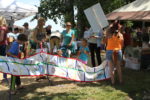
It’s Sunday and high time for another round of only good news. It’s been a hell week of root canals and abortion laws so we all deserve this. We have the festival planning meeting today and I wanted to share my idea for the children’s parade so we put a protest sign together to demonstrate.

Jon makes an excellent protestor.

Someone on facebook corrected that it should be ‘fewer’ not ‘less’ – but I’m not sure that beavers would actually use correct grammar. (Plus there’s only so much room on a protest sign.) Thinking about it I’m sure if beavers were going to protest they would carry a sign just like this. Only there’s be chew marks all over it…hey that gives me an idea…

Then Robin Ellison of Napa found this excellent commercial and passed it along. There is so much going on I had to watch it twice and slow down the action. Remember to keep an eye on your work when there are beavers around.

See what i mean? Isn’t that delightful? And here’s  a nice look at what beavers use all that wood for after they snagged it away.

Chris Carr of New Hampshire posted this recently to the beaver management forum. Check out this over-achieving beaver! Look how tall that lodge is already.

Beavers work so hard. i think humans are enormously lazy by comparison.
Except maybe these humans.

BEAVER FESTIVAL XVII

DONATE

Beaver Interactive: Click to view

TREE PROTECTION

BAY AREA PODCAST

Our story told around the county

LASSIE INVENTS BDA

CONTACT US

URBAN BEAVERS

LASSIE AND BEAVERS

Ten Years

The Beaver Cheat Sheet

Restoration

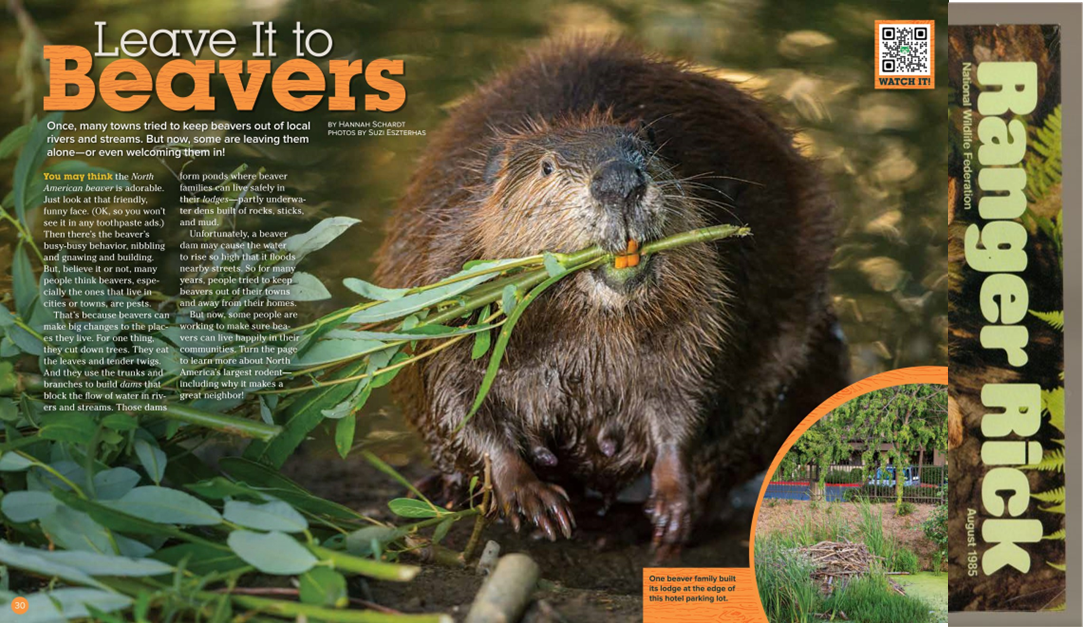
RANGER RICK

Ranger rick

The meeting that started it all

Past Reports

June 2026
M T W T F S S
1234567
891011121314
15161718192021
22232425262728
2930  

Story By Year