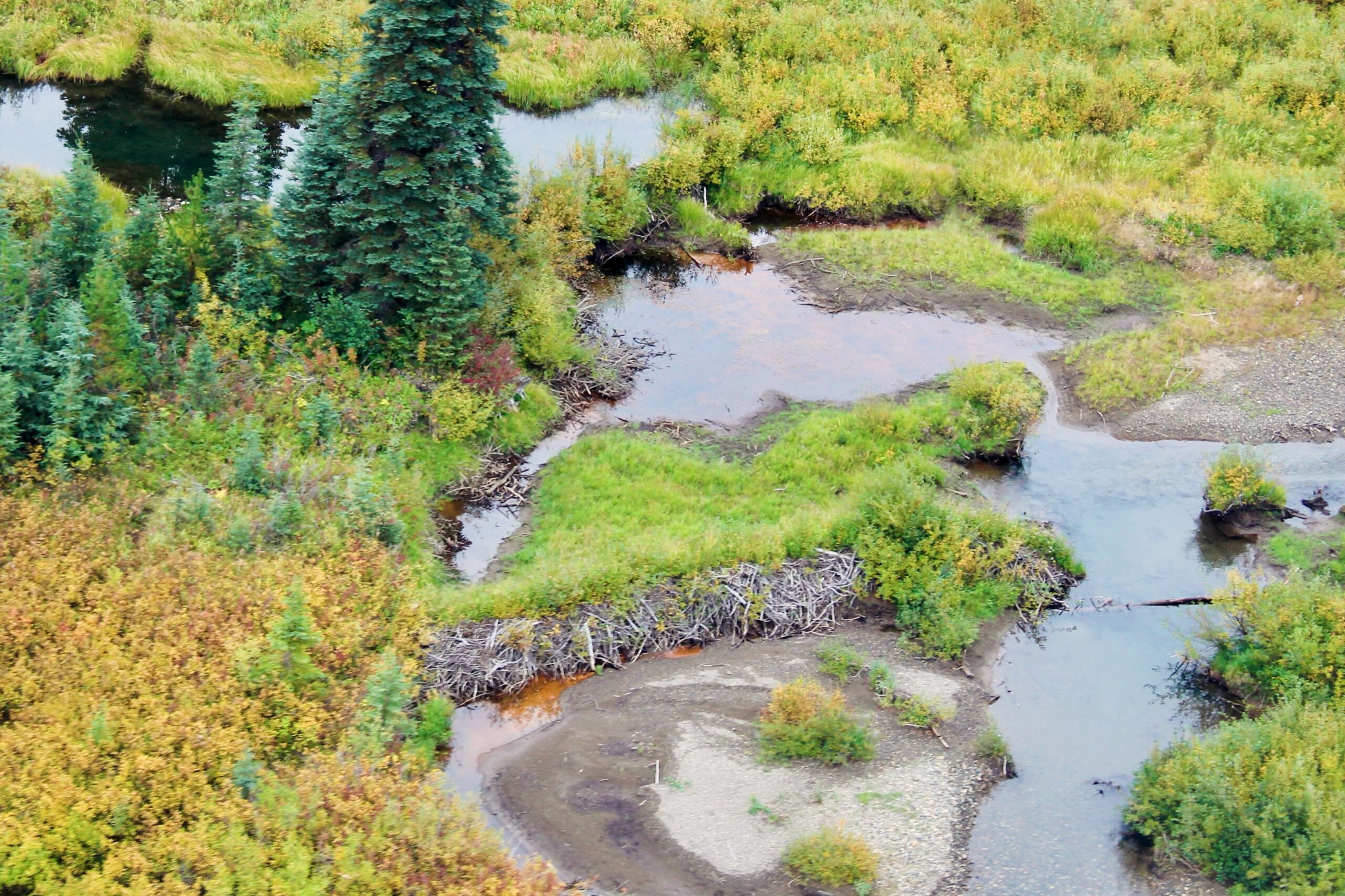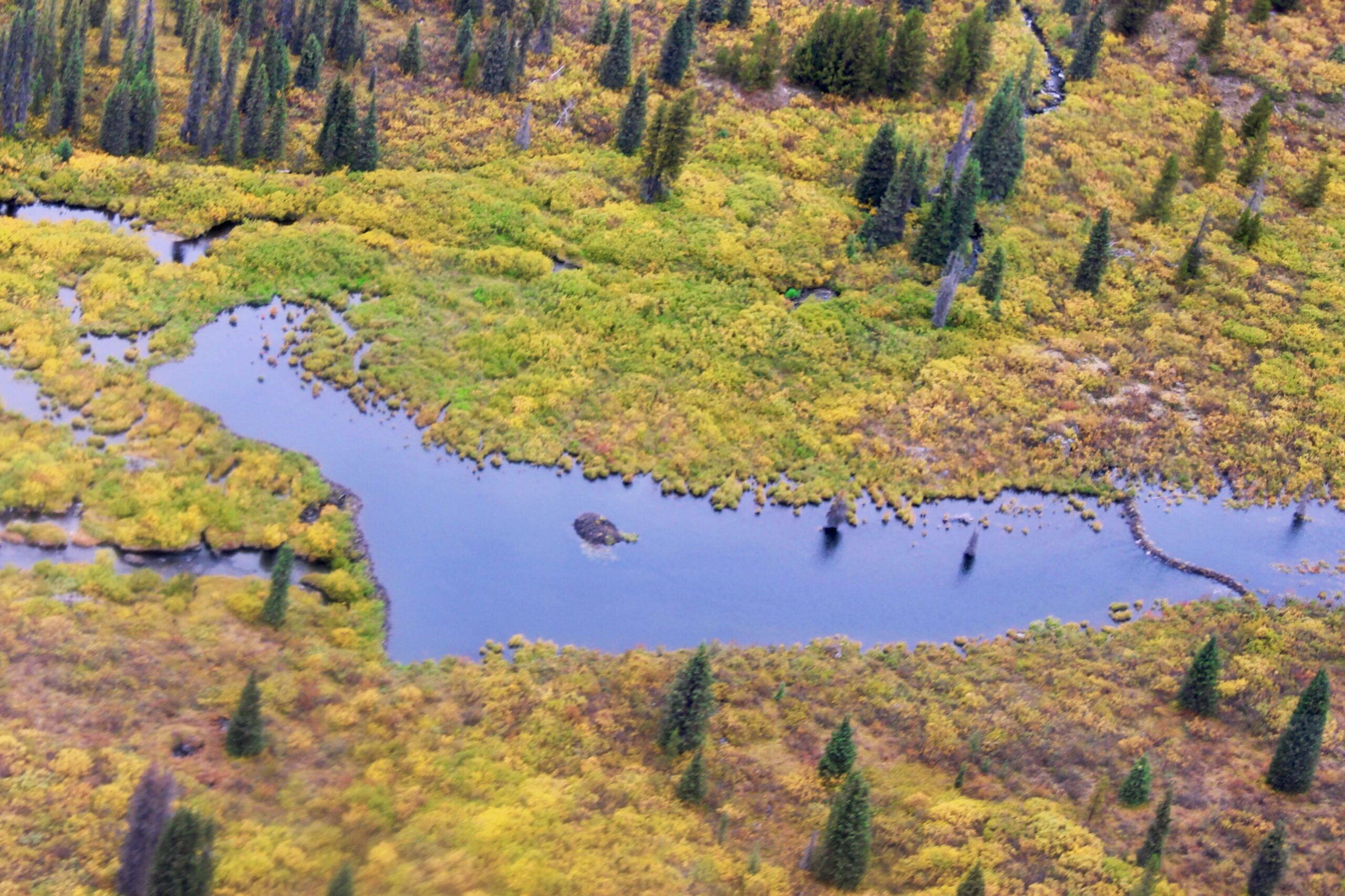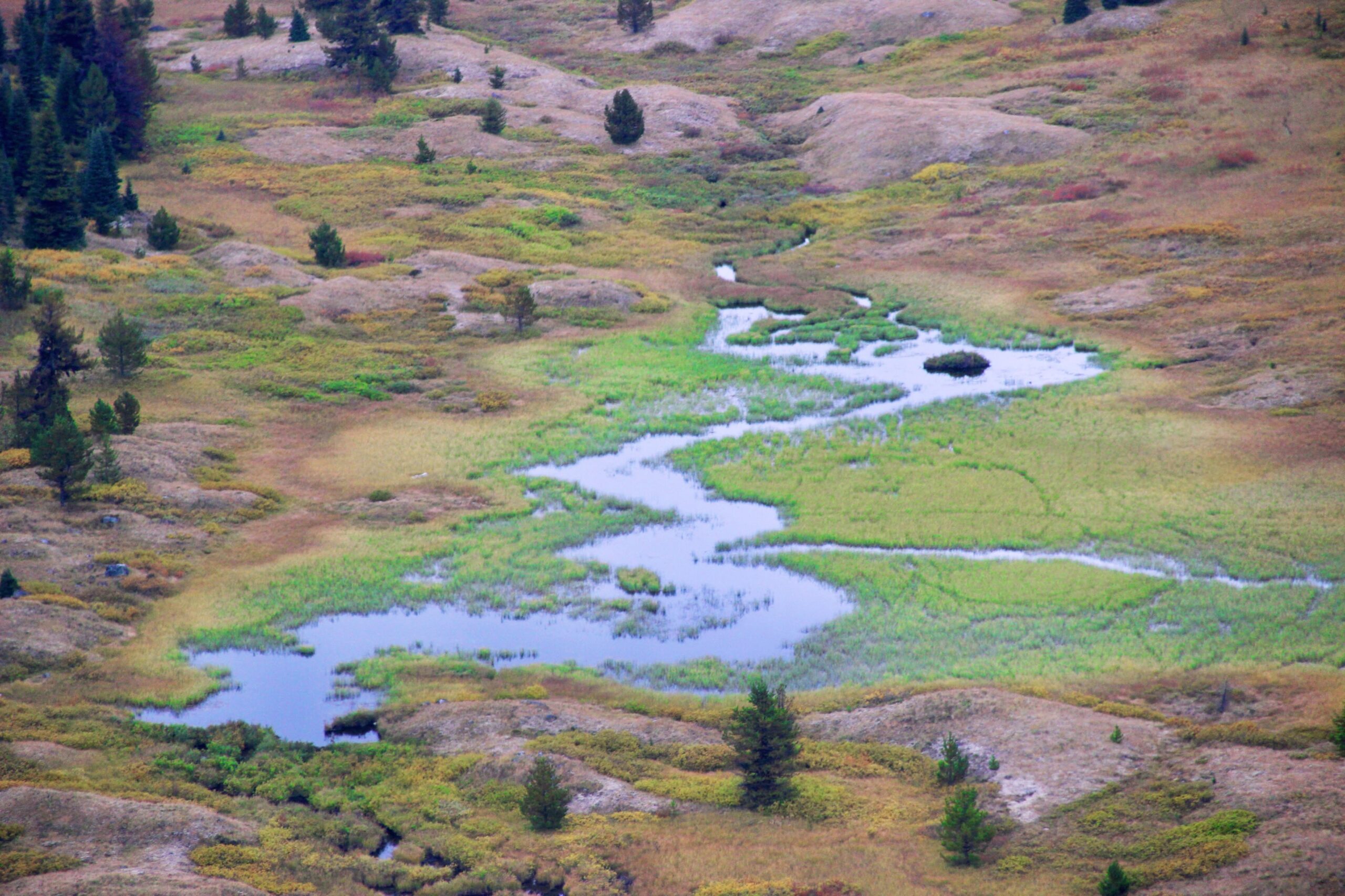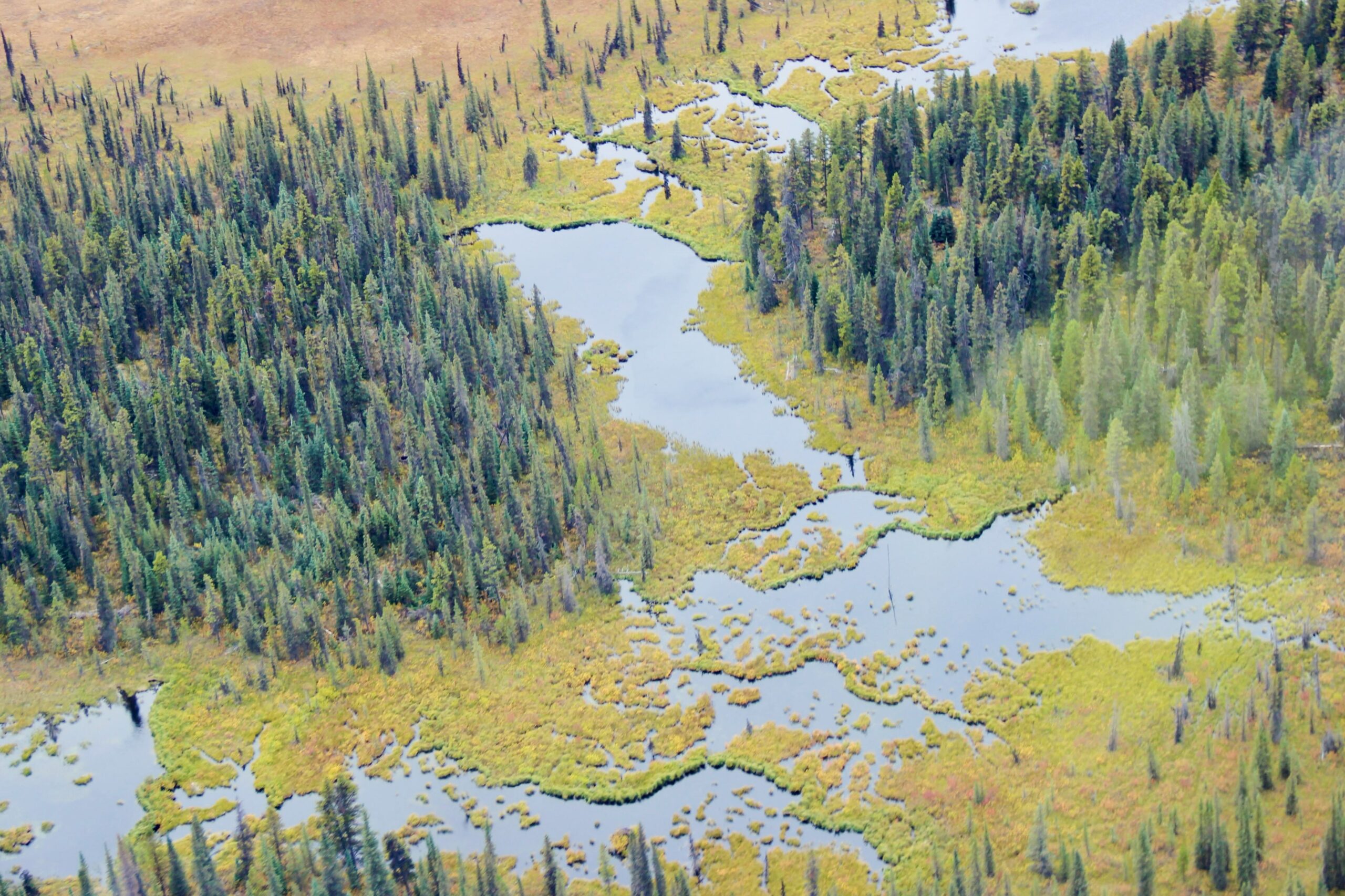




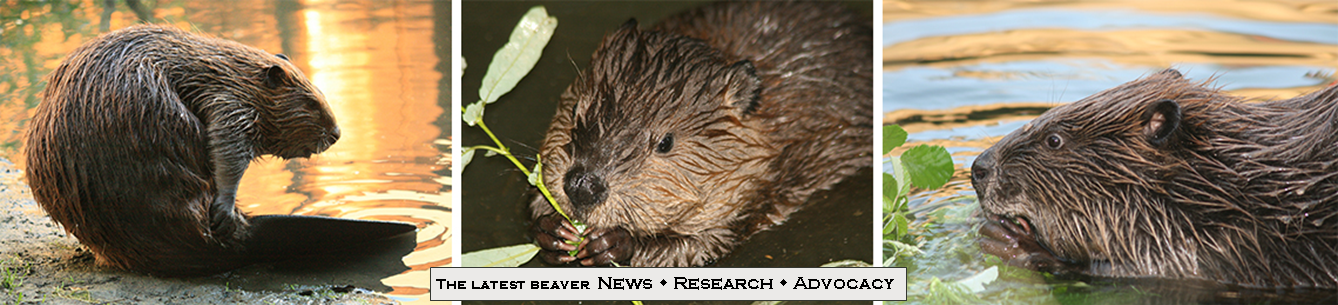
Because the beaver isn't just an animal; it's an ecosystem!

Category: Beavers


FacebookFacebook
email articleemail article

It isn’t very often anymore that the headline of a beaver article astonishes me, but this one took my breath. It’s an excerpt from author Ryan Huling and his book “The Hidden Nations of Animals”.

Beavers Don’t Just Build Dams, They Build Nations

Settlements are commonly understood to be places of fixed inhabitation, often motivated by a strategic location, perceived absence of safety threats, or proximity to natural resources. It’s a fraught term frequently hurled at those seen as invaders, but at its most basic level, a settlement is simply a place where at least one person lives.

When humans decide whether to settle in a new place, we often take some basic criteria into account. Will we have reliable sources of food and water? What are the limits to how far we can travel? Perhaps a different group of humans (or other animals) lives nearby that we know to be aggressive. Are the risks of raising our family near that potential threat outweighed by the advantages this area provides to us? And if we do decide to stay, who’s going to do what to make sure that our community thrives?

These are manifestations of what philosophers refer to as worlding—the process of creating one’s own world. It involves a series of steps, such as identifying landmarks, drawing spatial boundaries, assessing the ecological context and vital contributions others are making to it, and establishing our interactions with the fabrics of the planet, which collectively form the world as a group of individuals understands it. These life-sustaining practices continually shape and reshape the narratives and mental maps we carry with us everywhere we go—and a growing number of experts now believe humans are not alone in enacting this process.

I can’t think of a single species that does this more than beavers. Is the water deep enough? Where could I and my family get food? How fast is the flow? Can I slow it down?

Maybe with beavers it is not conjecture, but trial and error that answers these questions. If it works I stay. If I can’t change it I move on and look for someplace I can change.

Maybe the beaver’s version of the Serenity Prayer looks more like

“God grant me the  persistence to keep working until I change things, the  humility to give up on things I cannot change and the Wisdom to know the difference”

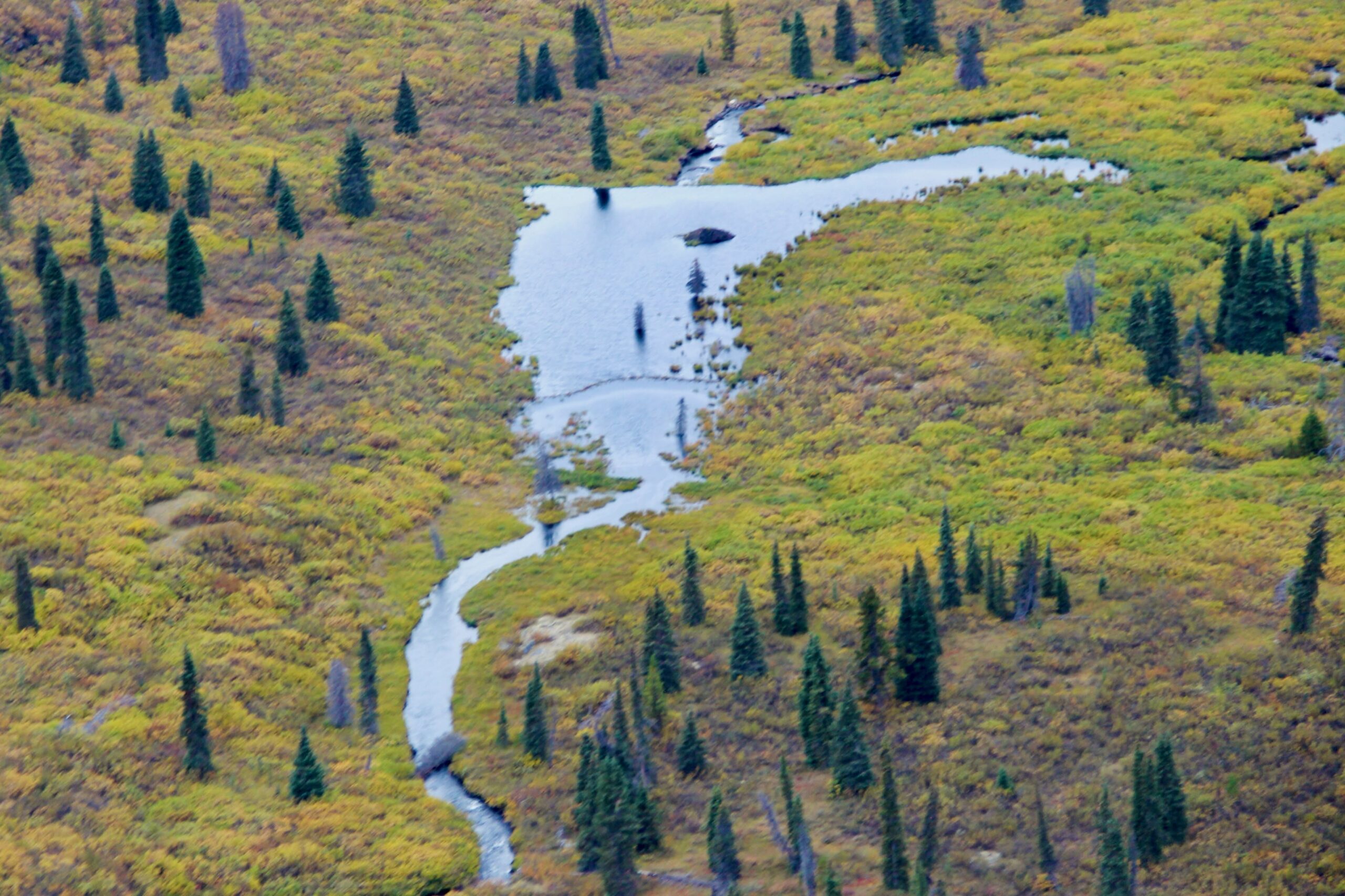
When beavers are scouting a possible location for their dam, one of the first points they consider is where they hear flowing water. Gentle creeks and rivers are more appealing than, say, white-water rapids, which would swiftly overpower them. Given the choice, beavers are partial to places just downstream from plateaus and foothills, because in the springtime, snowmelt from higher elevations brings with it huge bounties of runoff sediment, mud, and sticks. For a beaver, that’s like having their groceries and home-maintenance supplies delivered to their doorstep.

Once a suitable location has been selected, construction can begin in earnest. Aided by up to a half dozen family members, the beavers will harvest branches and logs from the surrounding forest under cover of nightfall, carrying and shoving them one by one into the floor of mud and rock. This structure is then interwoven by a dense mesh of twigs and vegetation, which plugs holes and creates a solid barricade capable of retaining water and flooding the landscape. This hydro-engineered beaver pond forms the foundation of their world.

As the water rises, the beavers will select a spot, usually in the center of the pond, to build a lodge. The water around the lodge has to be deep enough to form a moat, providing defensible space from predators who might wish them or their family harm. Made of branches and mud, these domed structures will ultimately serve as their primary housing, complete with secret tunnels, underwater doorways, and several interior chambers for living and sleeping.

I especially liked this part because it came as close as I could imagine to beavers thinking ahead.

Equally important to the beavers’ survival is the creation of an intricate maze of navigable canals, which can extend hundreds of feet into the surrounding forest. Wood is much easier to drag in water than on land, so these channels create glide paths to replenish their supplies. Such infrastructure is largely invisible on modern-day maps because canals have historically been equated only with human-made creations. From a cartographer’s perspective, animal-made canals may as well have been birthed by nature itself, like a creek, when in reality both versions were painstakingly dug with transit in mind.

Once built, animal constructions can last a remarkably long time. When researchers took a fresh look at an 1868 map drawn by anthropologist Lewis Henry Morgan of what he described as “a bea­ver district” in Michigan’s Upper Peninsula composed of 64 dams and ponds, surveyors found that 75 percent of the dams were still standing—or perhaps had been blown out and rebuilt in the same spot—150 years later. The dams, Morgan wrote, “have existed in the same places for hundreds and thousands of years,” and “have been maintained by a system of continuous repairs.”

It’s funny, but in my mind our matriarch beaver was always the one that looked at Alhambra Creek with all its noise, traffic and human interference and decided, “This will do“. Her much more private mate might have preferred a forgotten cove on grizzly island but she thought urban life could serve a family and she was right.

27 kits were born in the middle of a city and that changed my world. for sure.


FacebookFacebook
email articleemail article

This was shared to day by a group on Facebook called the Kindness Army. I love it and thought you mmight too.


FacebookFacebook
email articleemail article

The success of the famed Martinez Beaver festival lies in creating an encouraging model that other cities want to emulate. This has taken place in San Luis Obispo, Colorado, and last year memorably in Chicago.

This means that when you now google “Beaver Festival” you get an array of all of them. With some reference to Martinez mixed in. And some of them not even from 2026. There are even other unrelated events using the name just because it sounds cool.

Let’s hope at least a few folk find their way to the festival this year!


FacebookFacebook
email articleemail article

Rooms together!
Thanks Mike Digout for this look at mutual grooming.


FacebookFacebook
email articleemail article

This fantastic article appeared in Outdoor life in the year of my birth. Coincidence? I will highlight it’s delicious references and at the end show you the stunningly obtuse caution label that was slapped on by some luddite editor that doesn’t grasp metaphor.

Beaver Ponds Are Still a Secret Spot for Catching Trout. Here’s How to Fish Them

Nelson Bryant

“Look at him, daddy,” Jeff cried. “He’s the biggest I ever caught. I’m going to get more.”
True to his word, he pulled seven more wild trout, all 10 to 11 inches, out of that hole.

I didn’t know it then, but that experience seven years ago infected me with a fever that returns each spring: A desire to find and fish beaver ponds on wild-trout streams. I’ve fished dozens of beaver ponds and have been successful about half the time. I wish I could say I discovered spots where trout were two and three-pounders, but that isn’t so. Most beaver-pond trout I’ve caught have been under 12 inches, but almost all were wild fish, fat and sassy, and extremely good eating

There’s no substitute for exploratory trips into the woods. Keep it up for a few years and, in that time, your maps, with the beaver ponds you’ve marked on them plus notes on the condition of the ponds, will provide invaluable fishing information. But remember that beaver dams and beaver colonies aren’t permanent and that conditions that produce trout for several consecutive years may deteriorate.

I found out by accident but what do you know? Beaver ponds are really great fishing areas! Who knew?

Beaver dams often back up large bodies of slow-moving water-ponds of 75 acres have been recorded. The flooding water kills the trees, which means loss of shade and warmer water. The accumulation of silt in a beaver pond frequently smothers trout eggs. To spawn successfully, trout need water flowing over gravel. However, trout, if not trapped between dams, can run upstream to spawn. Studies have also shown that beaver darns are not an impassable barrier to trout. Some trout work their way through beaver dams, up or down, and, during spring run-off, they may go over the top.

The type of stream a beaver pond is built on is relevant. If the stream is cold, rocky, and fast-moving, the beaver dam can be an asset. There is little forage for trout in fast mountain streams, and the cold water retards trout growth. A dam slows the stream. allows silt and aquatic insects to accumulate, and warms the water. A beaver dam on such a stream would probably assist the trout.

Well I guess way back in “1965 they didn;t know about hypoheic exchange.

In my research on beaver-and-trout relationships, I’ve found some interesting studies. One of the most informative is titled, Effects of Beaver on Trout in Sagehen Creek, California. This study covered the years from 1954 to 1957, and was published by Richard Gard of the Zoology Department of the University of California. The Sagehen study concentrated on one beaver colony of 14 dams and the resulting ponds. Trout present included rainbows, brookies, and browns.

Gard concluded that the Sagehen Creek trout benefited from the beavers. It is interesting to note that the 13-mile creek is different from some lower-altitude Eastern streams. Sagehen rises from two permanent, cold (37°) springs at an elevation of 7,400 feet and empties into the Little Truckee River at 5,800 feet, says Gard, adding that water temperatures over 78° in the main channel are rare.

The Sagehen study also produced valuable data on the feeding habits of brook, brown, and rainbow trout. Gard discovered that the trout were selective feeders, but each species in a different way.

“Brown and brook trout from the ponds,” states Gard, “contained an average of over two and four times as many bottom organisms, respectively, as did their counterparts from the stream. The reverse is evident with rainbow trout, since they contained over twice as many bottom organisms in the stream as they did in the pond. Perhaps this species difference in feeding accounts for the observation that brook and brown trout often do well in ponds, whereas rainbow trout usually do better in stream situations.”

Gard also found that the most numerous organisms in the pond bottom and in the stomachs of all trout were immature midges. Helgrammites were eaten mainly by brown trout in the winter and spring. All trout from ponds, except winter rainbows, Palpomyia larvae in fair numbers. Brook trout in summer made the most use of large caddis worms. Brown trout ate many Liriope larvae in winter and spring. In the stream, all species of trout made good use of the abundant Ephemerella nymphs. especially rainbows in the spring.

He really was up on the research of his day. This study wasn’t published until 1961. There are so many reference to Sagehen in modern research that you forget it was ever a discovery.

If you’ve been getting good trout in a beaver pond one year and the following year discover that the spring freshets have broken the dam, don’t forget to try downstream. My son, Jeff, caught a nice 13-inch brookie while fishing the South Branch of the Baker River in Dorchester. The trout had apparently been carried downstream from a beaver pond.

A word of caution on clothing is in order. Wear a long-sleeved shirt on your excursions and carry plenty of bug dope. If you don’t, the insects will drive you nuts. I even carry a headnet with me, especially during the black-fly season. But, if it isn’t the black flies. it’s the mosquitoes or some other buzzing, biting creature. A cigarette or a pipe will help to keep them away from your face. A cap or a hat is also an asset. It cuts down the area on which the bugs can feed. The best footgear is a pair of all-rubber boots. Don’t wear good leather boots. They’ll be soaked and caked with mud in no time and ruined by the end of the season. I sometimes think a pair of sneakers is a good solution, if you don’t mind walking in them. Usually, at some point, you’ll go in up to your waist, so you have to reconcile yourself to getting more than your feet wet.

What a FANTASTIC look at the underwater complexity of beaver ponds. There’s a dam good reason all those mosquitoes are hovering about and flies biting you. They hatched in the water and fed and fattened off all those nutrients trapped in the dam. Thank you so much Nelson for such an excellent description of beaver benefits.

And now for that PESKY editor comment:

“This story, “Bog-Trot for Trout,” appeared in the July 1965 issue of Outdoor Life. The annual “fever” the author refers to below might be giardia — we really can’t recommend wading in beaver –=- anymore.”


Okay you understand that when he said he had a FEVER it was a metaphor here and that beavers don’t carry giardia any more than deer or bear or toddlers, right? And that when Peggy Lee was signing in a cat suit about “you give me fever” it wasn;’t because she had to take antibiotics?

Sheesh.

           My father—methinks I see my father.
HORATIO
            Where, my lord?
HAMLET In my mind’s eye, Horatio.

BEAVER FESTIVAL XVII

DONATE

Beaver Interactive: Click to view

TREE PROTECTION

BAY AREA PODCAST

Our story told around the county

LASSIE INVENTS BDA

CONTACT US

URBAN BEAVERS

LASSIE AND BEAVERS

Ten Years

The Beaver Cheat Sheet

Restoration

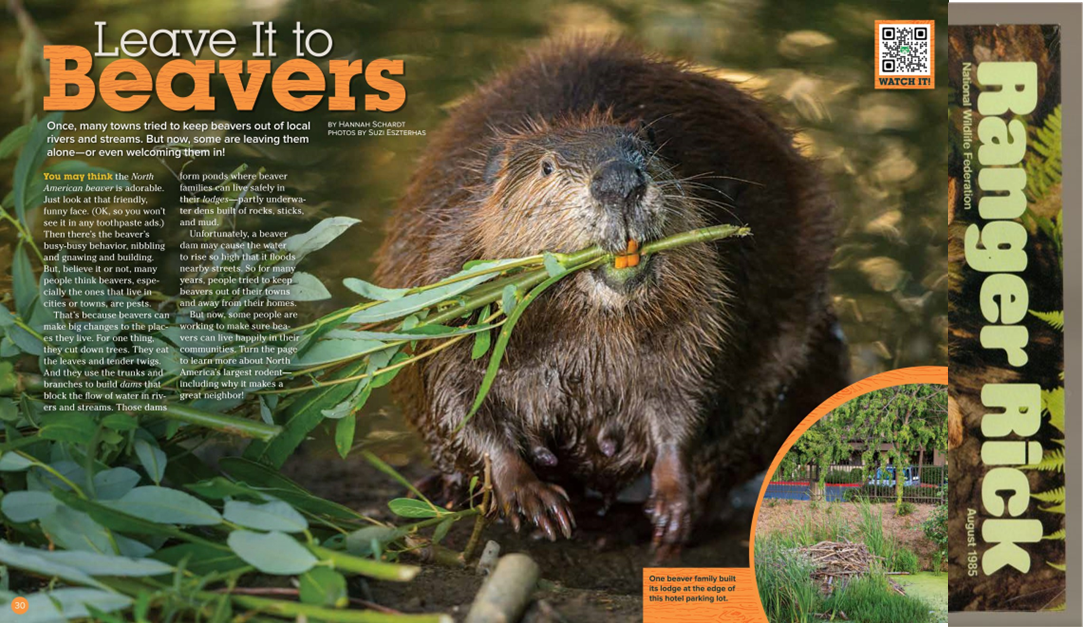
RANGER RICK

Ranger rick

The meeting that started it all

Past Reports

June 2026
M T W T F S S
1234567
891011121314
15161718192021
22232425262728
2930  

Story By Year

close

Share the beaver gospel!