



Because the beaver isn't just an animal; it's an ecosystem!

Category: Beaver Behavior


FacebookFacebook
email articleemail article

People don’t tend to be great at imagining a beaver’s life. We tend to describe their actions and intentions in human terms, or with only a dim understanding of why they do it.  In terms of an internal monologue one of the pieces I found most enjoyable about watching beavers was that they were mercifully free of one. They Acted. Or chewed. Or worked. They didn’t seem to think and dwell about it much.

Still I find this writing utterly charming. You might too…

Curious Nature: A day in the life of a baby beaver
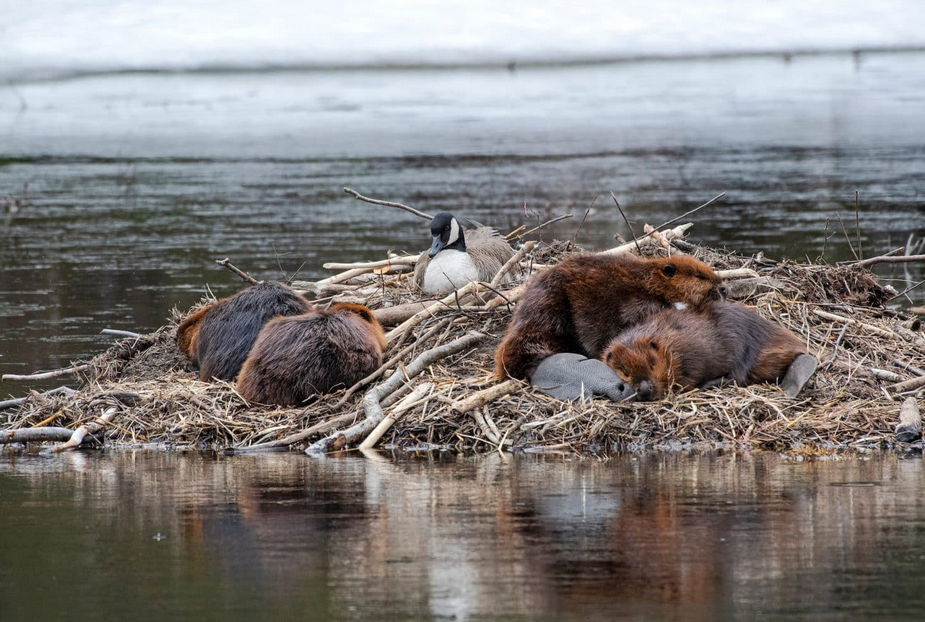
As the morning sun rises over the rocky horizon, you find yourself cuddled up with your family. Mom, Dad, and siblings all stretch into the new day, but you being the baby of the family, you get a few more minutes of shut-eye. You are a baby beaver, a kit, huddled against the cold frost that tries to permeate the den you call home. It’s going to be a long day, but your family will show you the ropes and care for you every step of the way.

The first thing all baby beavers need to know is that Mom and Dad are committed to the family. You have been able to see their devotion to one another ever since you were born, with eyes wide open, ready to take on the pond. Your parents share responsibility for you and your siblings, putting in equal effort to nurture and provide for the colony. The parents are going to be busy today, so your older siblings, the yearlings, will take care of you. It is important that you spend as much time as possible learning from them since next year they will leave the den in search of starting their own families. Your oldest brother, Brother Beaver, will take you out first.

It’s funny but I can see footage in my mind that tracks with every one of her observations. Older Sibling did take them out of the lodge at first, we have lovely film of them spinning the kit in the water to make sure he could dive and swim. Except for the first year when there were no siblings, then it was Dad who did that.
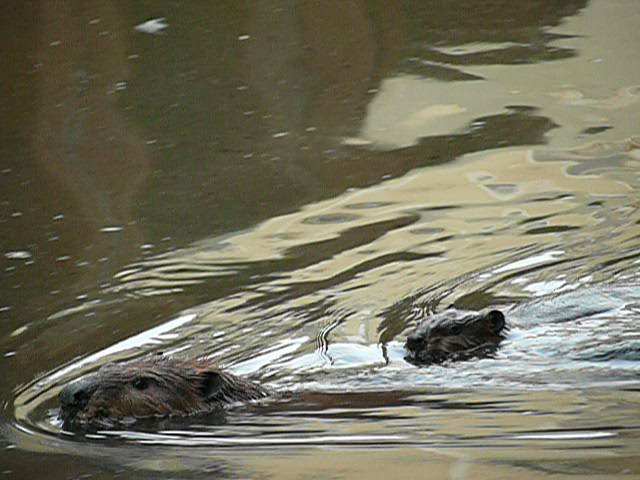
Brother is all about playtime and he says having fun is the best way for beavers to learn about the world around them. You chase each other around until reaching the underwater stockpile of sticks that have been stored beneath the layer of ice above you. Using your hands you are able to carry enough for breakfast and Brother teaches you that your body was specially designed for the water. By closing a special flap in your mouth, you learn to carry even more sticks between your teeth without having water rush into your mouth. This will certainly come in handy next time the dam requires repairs.

Once you arrive back at the den, your older sister starts to groom you. She grooms you every day so you know how to take the oils you secrete and use them to waterproof your coat. After waterproofing, she takes your paw and whisks you away.Sister is the brains of the family, a real gnaw-it-all, and she thinks you have not been keeping your teeth down.
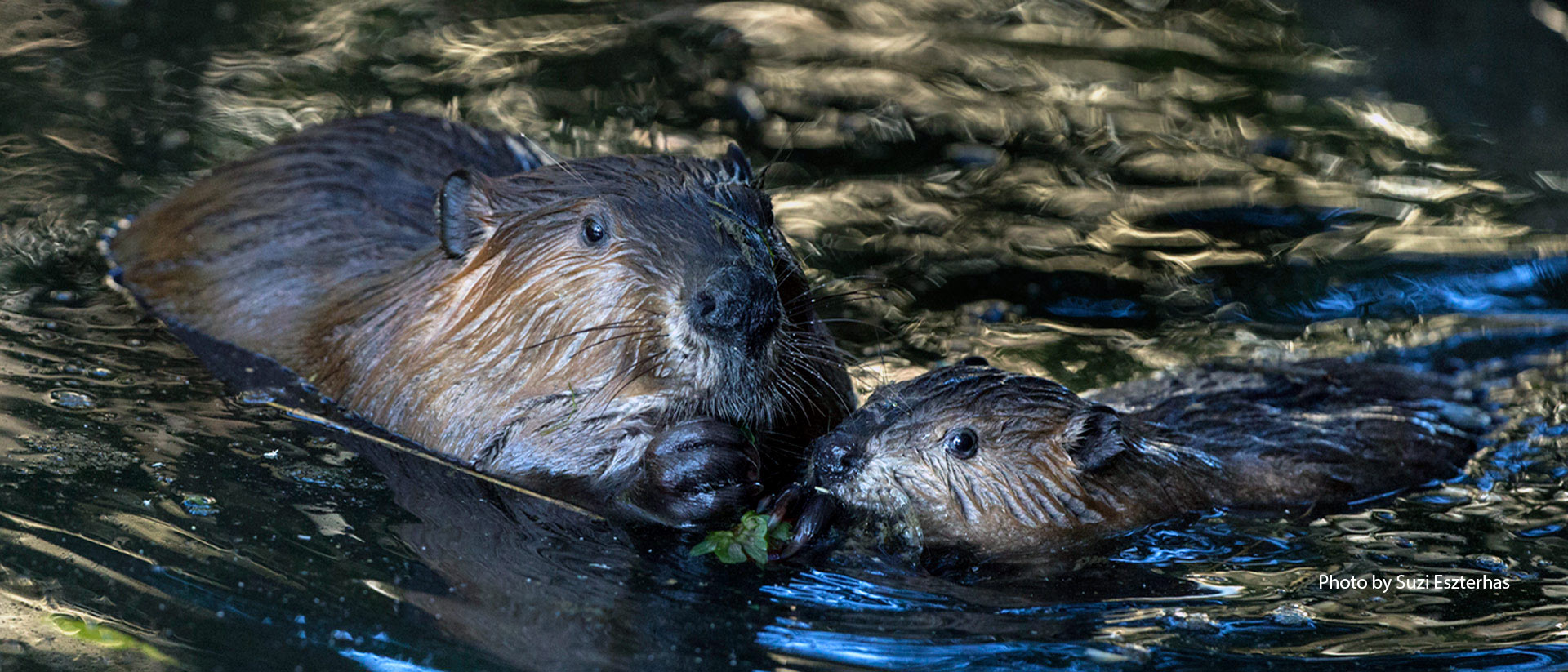
“As the largest rodent in North America,” she explains, “our teeth grow especially long and they never stop growing. We always need to find wood to gnaw on to maintain our teeth.”

You two swim to the edge of the bank to her favorite log to chew on and the swim there helps you practice holding your breath underwater. One day you will be able to make the entire 15-minute swim without stopping for a breath, but today you surface the water before joining her again.

I actually love how accurate this is. I’m inclined to say we never saw any difference between the sexes but we never knew for sure who was who except for being able to identify mom. She definitely was the more trusting one. But since we had two moms to compare with over the years we learned how different they were. Mom 2 was much more protective and wary of the kids than Mom 1.
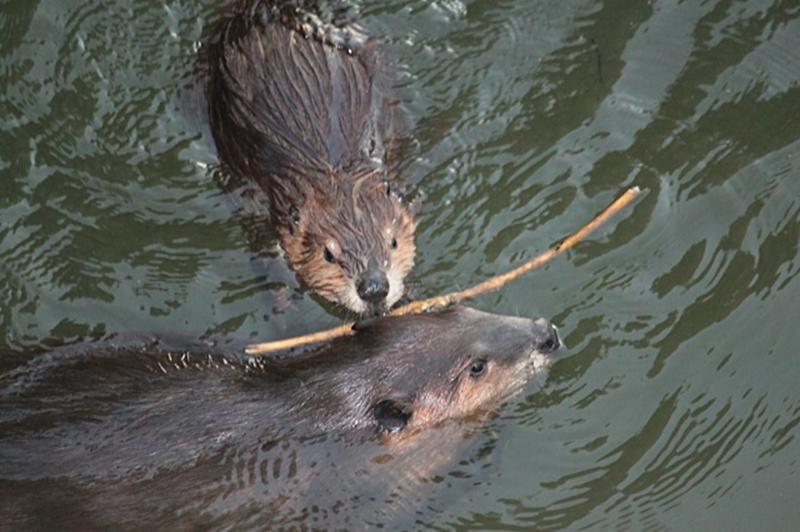
mated pair bonding

Back at the den, Mom and Dad are waiting for the kids. Dad warns about the dangers of predators on land. Mom is a bit more “go with the flow” — she wants you all to know that the work we do each day is not just for our own benefit. She says, “We are a keystone species and we create habitat for many kinds of creatures like birds, bugs, and toads. We have a duty to protect our family because we make life possible for so many others.”

Any beaver is lucky to have such a loving family dynamic. It is important to soak up the messages from your family because next year, you will be teaching, playing with, grooming, and snuggling new sibling kits.

Well if you could say all that without actual words or having to say anything at all. I agree, that’s exactly what beavers would say. Family is important. Work is important. Safety is important. Food is important.

I am always reminded of the difference between talking/thinking and being when I consider beavers. It is kind of like the story told by Marilyn from Northern exposure in the  episode I re-watched last night.

The Eagle wasn’t always the Eagle. The Eagle, before he became the Eagle, was Yucatangee, the Talker. Yucatangee talked and talked. It talked so much it heard only itself. Not the river, not the wind, not even the Wolf. The Raven came and said “The Wolf is hungry. If you stop talking, you’ll hear him. The wind too. And when you hear the wind, you’ll fly.”

So he stopped talking. And became its nature, the Eagle. The Eagle soared, and its flight said all it needed to say
FacebookFacebook
email articleemail article

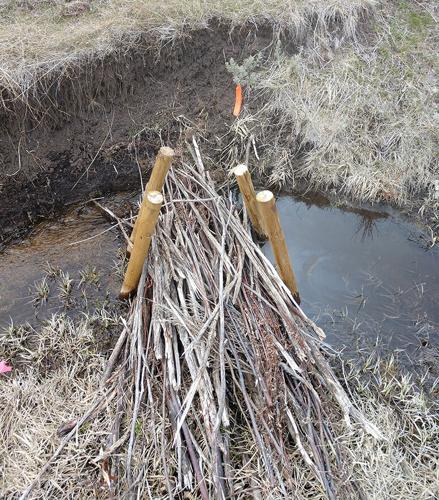
Trust Idaho learn only part of the lesson about beaver dam analogues.  They have noticed that the little dams produce really really good results for soil and fish, and have decided that the secret to having them is just to get many many people to make them by hand. Because as we have learned this year from nearly every media outlet, only human made beaver dams benefit fish and only relocated beavers can help save us from climate change.

Seriously.

Researchers try to copy beaver dam benefits

Researchers are testing artificial beaver dams as a tool to restore degraded stream systems by improving riparian habitat and bolstering the late-season water supply.

The structures, known as beaver dam analogs, cause water to pool and spill beyond stream banks, supporting marshland vegetation before seeping into the groundwater and re-emerging downstream later.

Material such as willow boughs, sediment and stone comprise the analogs, an option to restore habitat where resources are insufficient to support beavers or where the animals would pose a nuisance.

A team of researchers from University of Idaho’s College of Agricultural and Life Sciences and College of Natural Resources is entering the final year of a three-year study of the concept, funded with a $75,000 grant from USDA Natural Resources Conservation Service.

75000 is a lot of money just for playing in the water! And you can bet they’ll keep right on trapping beavers while they do it. Because those rodents can seriously mess things up!

The project is bringing the colleges “to ask some of these important social and ecological questions,” Eric Winford, who is leading the project as his dissertation for a doctorate in natural resources, said in a UI release. “Across the West, we can restore some of the function beavers were maintaining in these systems by mimicking their activity.”

“There are potentially hundreds of miles of these meadows throughout the state where these could be applied,” he said.

The intermittent Guy Creek, within UI’s Rinker Rock Creek Ranch in central Idaho’s Wood River Valley, is the research site.The creek at the project’s start flowed through a deep channel disconnected from riparian areas.

Riparian vegetation can be essential for livestock, providing a verdant source of late-season forage, UI said.

Well Joe Wheaton says that this is how it starts. Get some BDA’s on the landscape and let people see what a dramatic effect they have and then when they come back complaining about maintaining them quietly remind them of the B word.

In July 2020, a group of recent high school graduates with the Idaho Conservation Corps helped the team build 65 analogs in three meadows.

The team has been using drones to evaluate gradual changes in the channel. Pools and riffles are forming, and sediment is accumulating behind the structures. Eventual gains in groundwater levels are expected as well as improvements in natural processes such as nutrient cycling.

Researchers anticipate that their stream gauges and groundwater monitoring will show the analogs build up groundwater and hold water until it is needed without curbing flows to downstream users, UI said. The state Department of Water Resources, which is interested in the research, requires anyone who installs a beaver dam analog to get a permit.

“In the lower two meadows we’ve been able to collect water samples later in the season from more pools than the year before,” said Laurel Lynch, College of Ag soil and water systems assistant professor. “It’s too early to say definitively that water levels are increasing, but it does seem anecdotally we’re pushing the system in that direction.”
She and her graduate students also are evaluating how riparian restoration influences water quality, soil carbon, microbial ecology and soil micro-invertebrate density.

That so weird, when we pay for students to make these little obstructions in the water we get more bugs and more soil and more birds and more fish and more otters. It’s such a coincidence! Can we get more students?

The team plans to host field days and workshops at Rinker Rock Creek Ranch, for public land managers and landowners.

Other College of Natural Resources team members include Jason Karl, the Harold F. and Ruth M. Heady Endowed Chair of Rangeland Ecology; and Charles Goebel, head of the Department of Forest, Rangeland and Fire Sciences.

Other College of Ag team members include Melinda Ellison, an assistant professor and Extension specialist focused on the effects of raising livestock on wildlife and range; Ellen Incelli, a graduate student studying environmental science; and Heather Neace, a graduate student studying water resources science and management.

Well I wasn’t born yesterday. I know it takes a man from Idaho to teach anyone from Idaho anything. Don’t listen to me about the workers you should really be enlisting in this effort. What do I know in my crazy golden state. Listen to Jay instead.


FacebookFacebook
email articleemail article

In the 15-year history of this website I have written very few stories of Pennsylvania. Maybe a couple here and there,with beavers being trapped for chewing trees or causing flooding but this is the first WELCOME BEAVER! article I’ve read that I can recall. It’s not brimming with accurate information but we are soo darn happy it’s there at all I won’t complain. Say hello to Frick park.

What Frick Park’s resident beaver means for the health of the restored Nine Mile Run

Frick Park’s newest resident is causing quite a stir. Wildlife fans and hikers have come to the park in the weeks since park rangers first spotted a beaver in late December, with hopes of stealing a glance.

But like many others who came before, resident Jane Bernstein returned to the parking lot just off the Nine Mile Run trail unsuccessful. Since the flat-tailed mammal is nocturnal, Bernstein got to the park before 8 a.m. on a snowy Friday this January.

This wasn’t the first time she had gone to look for him, either.

“I went on a beaver walk with somebody from Nine Mile Run — a group — and that was great,” Bernstein said. “We learned a lot about how excited they are about the beaver, despite the fact that the beavers do gnaw down trees.”

Excited about the beaver! Imagine! Frick park is in an oasis of wooded steep trails in the middle of the city of Pittsburgh.  It was a large estate bequeathed for a park in the early 1900’s by Henry Clay Frick an early founder of the Coke industry which was a treatment for coal that fueled iron smelting.

So I guess it’s kind of nice a fossil fuel’s founders tax write-off is happy to see beavers?

While elusive, the beaver, aptly nicknamed Castor — the North American beaver’s scientific name is Castor canadensis — leaves a pretty clear trail of pointed, jagged little sticks behind him.

“You can see he’s been out munching around,” park ranger Erica Heide points out as she walks down a path parallel to the stream.

Castor is the second beaver to be spotted in the park in recent years, according to Heide. The first one appeared in Nine Mile Run in 2019, likely having migrated up from the Monongahela River, the waterway that sits at the mouth of the stream.

Heide said that the beaver stayed in the area for about a year, but no mates or kits (the term for baby beavers) were spotted with him.

“He moved on, we assume, for mating season,” Heide said.

So far, Castor has appeared alone at Nine Mile Run, too. Heide said while beavers are friendly within their family units, they’re territorial creatures, with just one family inhabiting a single section of a waterway at a time.

In any number, though, Heide said the presence of beavers is a sign of a healthy ecosystem where sewage and industrial waste once dominated.

“They are known as nature’s engineers,” she said enthusiastically. “They’re the only one of the only species that can change their environment and alter the hydrology.”

I would say the hardy beaver is a BRINGER of a healthy ecosystem – not exactly a sign of one. I mean there are beavers in Chernobyl and I’m pretty sure that’s not healthy. But still I get your point. They can do good things for the hydrology.

This years-long effort to detoxify the stream, led by the City of Pittsburgh and the U.S. Army Corps of Engineers, included rerouting the stream channel by adding curves and ripple rocks to slow down the water and the rate of flooding.

A decade and a half later, fish and beavers have continued the work of improving the surrounding wetland environment. For instance, beavers’ chomping habits can be useful in shaping a climate-resilient landscape.

“See how clustered and how tight they are,” Heide said pointing to a group of streamside willow branches. “That’s actually really bad. They’re even starting to uproot themselves because of how heavy they are.”

But beavers love to eat willows, which grow back once cut down.

“It will cut those down and then they can regenerate into like a healthier cluster,” she explained.

Doing so helps protect the stream bank from erosion. Heide said the parks plan to plant more willows this spring and will hold several willow staking events where residents can get involved.

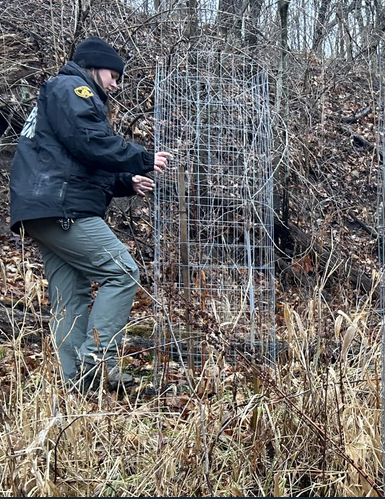
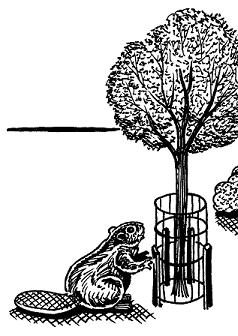
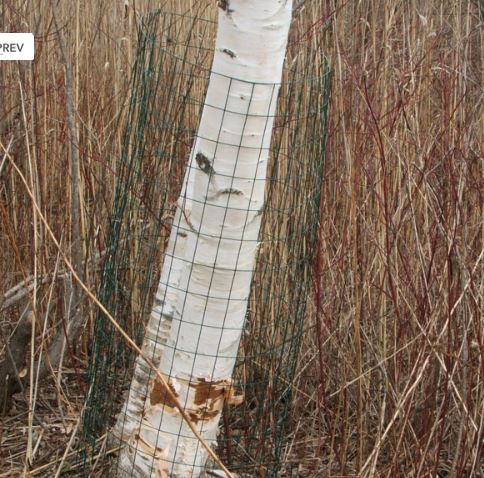
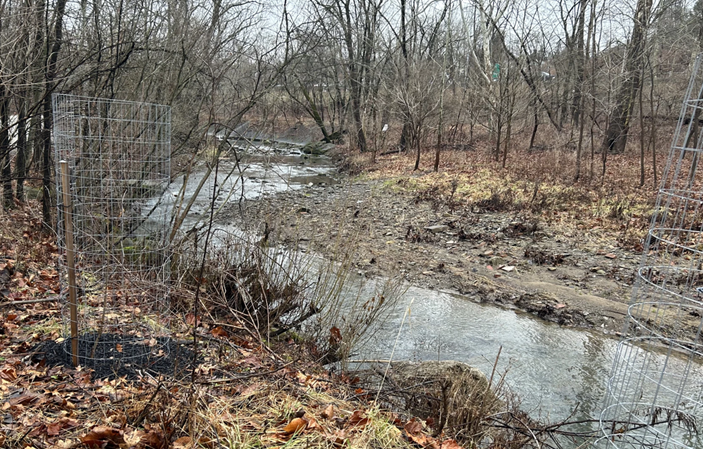
To protect the trees they want Castor to stay away from, park rangers and conservation groups put protective cages around nearby trunks, prioritizing those that are young and native to the northeast, like oaks, aspens and maples.

Well I would rather have a team of beavers working on that stream than the army core of engineers, but honestly, I’m not sure about your statement that FISH helped the stream, That’s like saying cars help roads?

Heide said it’s unlikely beavers will ever build a successful dam on Nine Mile Run. During storm surges, the area is susceptible to intense flooding that dams would likely not withstand.

Still, if Castor or any other beaver in the park was able to complete a dam, Heide said it would be another step toward successful environmental restoration. For one thing, it can cause flooding that brings up nutrients and seeds from the water into the soil, sparking a surge in vegetation for wildlife to eat.

At the same time, dams can further reduce the rate of flooding by slowing down floodwaters while filtering out pollutants that travel downstream.

Well that’s no more than the truth. I think I like having a beaver welcoming committee strew their path with good news. And hey the name can’t hurt. “Heide” (Hmm even if she spells it wrong…)

Hiller said the organization hopes to continue that work to protect the health of habitats throughout the watershed and restore other parts of the park, like the Fern Hollow Valley.

The presence of a beaver, he added, is a sign that they are headed in the right direction. For those who want to see the beaver, Heide advises people not to get their hopes up.

“He’ll probably become more and more elusive as we get into the colder and colder weather,” she said. “Just like us, we don’t want to be out in the cold. Neither does he.”

In the event he is spotted, Heide stresses that people give him space, and keep any dogs in the park on leash.

“That will ensure that this beaver is safe for future years to hopefully come back.”

Gosh. I’m still waiting for the other shoe to drop. But I guess it’s darn cool that a industry giant’s park can be somewhere that is happy to have beavers. I’m pretty sure that wasn’t always the case.


FacebookFacebook
email articleemail article

Yesterday someone asked me about coming to Martinez to see the beavers and mentioned in passing that it was a great article in this issue of Outdoors California, the magazine of the California Department of Fish and Wildlife. I said we did not have beavers anymore but I would introduce her to a friend in Fairfield if she wanted to visit theirs and I went hunting for the article which I knew nothing about,

I asked all my beaver buddies including the ones that hired the beaver lobbyist that pushed for the funding and they knew nothing about it either. So I wrote the editor and asked if he might share the article with me. Apparently its in the current issue because I heard from other wildlife buddies too. At the days close I had my prize. And what a prize it is.  You are not going to believe this.  Sit down. Back away from high windows. Put down anything sharp. Brace every part of yourself that might need bracing.

Trust me.

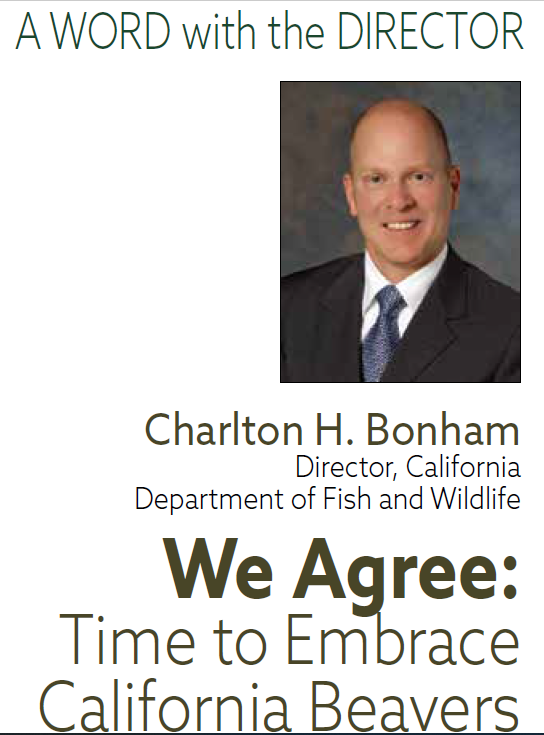
We Agree: Time to Embrace California Beavers

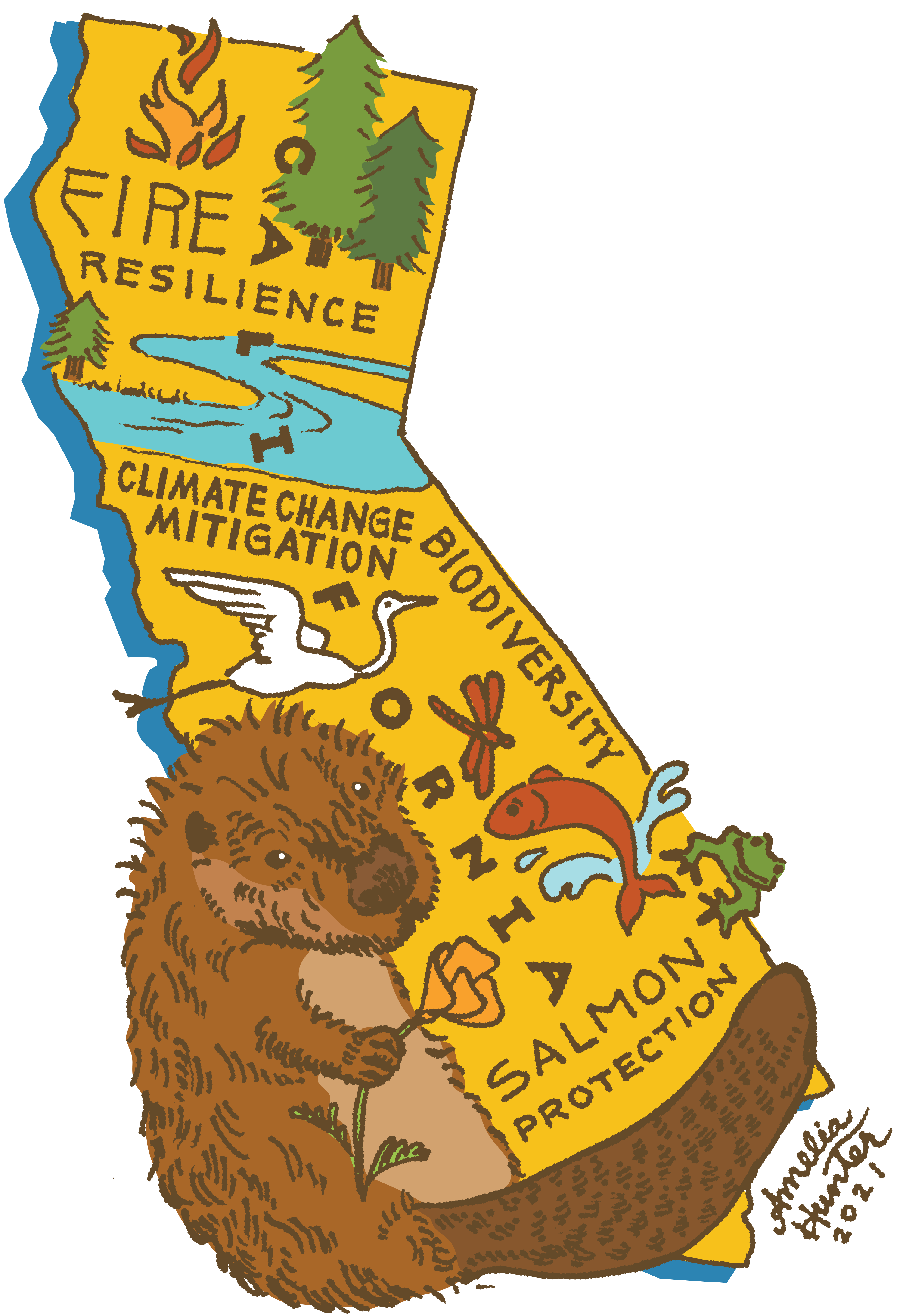
Beavers are having a well-deserved moment in the discussion around climate solutions. Healthy beaver populations improve their environment in so many ways—from reducing wildfire risks, to making water conditions more hospitable for our native salmon and trout.

In fact, humans have so admired the skilled work of beavers they have spent millions of dollars trying to replicate the benefits they create. As managers of the state’s natural resources, the California Department of Fish and Wildlife (CDFW) is embracing the opportunity to elevate beaver restoration as part of a larger effort to help mitigate the impacts of wildfires, climate change and drought. Thanks to Governor Gavin Newsom’s leadership and the State Legislature, funding for beaver restoration is now part of our playbook, with funds approved in this year’s budget.

Are you crying yet? You will be when you have read this. My arm is turning color because I keep pinching myself over and over to see if I’m dreaming. I wish our original mom beaver was sitting here right now so I could read it to her because I never would have walked this path if it hadn’t been for her implacable courage.

The program funds dedicated scientists who, once hired by CDFW, will begin working on projects that help the environment by bringing beavers back to California rivers where they once thrived.

Beaver dams raise groundwater levels and slow water flow. Slowing down the flow allows water to pool and seep, creating riparian wetlands that support plant, wildlife and habitat growth. Another benefit of beaver dams is the rejuvenation of river habitat for salmon and aquatic insects. The dams also improve water quality because they capture sediment, resulting in clearer water downstream.

Additionally, beaver dams help keep groundwater tables high which can help mitigate drought impacts by keeping vegetation green. This effect can also help fires burn less intensely in riparian areas, which, in the long run, can aid streams and  habitats in recovering from fires more quickly. These positive ecosystem benefits are especially true in areas where there are intermittent streams or where streams can disconnect. Once beavers build dams in those areas, the habitat tends to hold water more effectively and allows it to percolate into soils.

BOOM BOOM BOOM!!! We’ve only been pounding this into the table over and over and over at every roomful of people who were fool enough to listen. Some rooms that were more hostile than others. How wonderful to see it trickled in through the hard cracked soil of agricultural management. Did I ever think this day would come?

Shh this is has my favorite part:

Unfortunately, beavers were eliminated from much of their range by the late 1800s due to unregulated trapping and habitat loss. Environmental scientists have tried to duplicate the effectiveness of beaver dams utilizing human-engineered structures called beaver dam analogues. Through this, we have learned that human-created beaver dams can achieve similar carbon  sequestration and habitat benefits to that of real beaver dams, but at a much higher cost. Nothing’s better than the real thing, and that means bringing beavers back to their historic habitat and teaching Californians how to coexist with the scientifically named Castor canadensis.

NOTHING IS BETTER THAN THE REAL THING! Be still my heart. Do you hear that Enos Mills and Grey Owl and Hope Ryden? Do you hear that momma beaver who was brave enough to move right into the middle of town and start a family even though dad thought it was a crazy idea?

California’s next step is to expand partnerships with California native tribes, non-governmental organizations, private landowners, state and federal agencies, and restoration practitioners to lay the groundwork for implementing beaver restoration projects. The new funding will help develop a framework for these beaver relocation efforts. CDFW and its partners are looking at the feasibility of taking beavers from areas where they are causing conflict and relocating them to areas where they would have ecosystem benefits. CDFW’s new beaver restoration program allows California to advance on all these fronts—we’re continuing collaboration with partners and stakeholders, continuing to work on restoration sites where we’ve funded beaver dam analogues and continuing to lay the groundwork for re-introduction of beavers in areas where such a move will benefit the ecosystem.

And we’re going to teach people how to live with beavers. The money is for education too. I’d lead with that. It’s the most important part.

Scientists are confident that beaver restoration has the potential to be a nature-based strategy that can aid in reducing wildfire risk, mitigating drought and combating climate change. It’s another piece in the puzzle as CDFW works to implement solutions to some of our greatest environmental concerns.

Allow me to say that it was in October of 2020 that I first dreamed we could possibly even HAVE a California beaver summit and it was in September of 2011 that I really started to pay attention to the crazy idea of the fish and game saying that beavers in California weren’t Native and it was in 2007 that the city of Martinez nearly split itself at the seams to find out of a city could live with beavers and here we are today with the head of fish and wildlife writing WE AGREE! It’s way past time to Embrace Beavers!



FacebookFacebook
email articleemail article

Isn’t that sweet! Beavers in Clearfield Pennsylvania get a housing makeover! Of course the temperature this morning is 25 so they’ll probably die alone separated from their food cache and family members but still, isn’t that sweet?

Bye bye beavers: Clearfield’s beavers to be re-homed

Beavers destroying expensive trees in downtown Clearfield are getting a new home, Street Commissioner Todd Kling reported at Thursday night’s committee meetings of the Clearfield Borough Council.

Beavers have moved into downtown Clearfield and are reportedly living in the West Branch of the Susquehanna River near the Market Street Bridge.

The beavers have removed several recently planted saplings and significantly damaged several fully grown trees on both sides of the riverbank near the bridge. The recently planted saplings cost roughly $150 a piece.

That’s right. The trees cost us MONEY. And we couldn’t possibly spend more money affording wire to wrap them in to protect our investment from these beavers or the NEXT beavers that come along. Instead we had to pay a trapper to pretend to move them. We hired “Wildlife Deceivers: We pretend so you don’t have to” just for this.

At first the beavers were destroying the trees near the Joseph and Elizabeth Shaw Public Library, so the borough put up fencing to protect the remaining trees. The beavers then started cutting trees on the west side of the river.

We tried doing the right thing, but it was hard and we decided to give up and do the other thing instead which was a lot easier.

Kling said the state Game Commission has stepped in and begun trapping the beavers alive and relocating them to a safe location. The beavers won’t be harmed.

He said the Game Commission has already caught one beaver, but it is believed there are more beavers left. Kling said now that they have professionals involved, he hopes private citizens don’t try to trap the beavers.

Borough Operations Manager Leslie Stott said residents have reported seeing three beavers.

We only saw three that one time so we know that’s how many there are every other time. I’m sure we won’t leave any orphans alone to die. As long as those pesky citizens don’t but in and start messing things up. They always get in the way.

Kling said the borough is planning to remove the dead trees and replant new trees using grant funds next year.

That’s my favorite part. Obviously next year there won’t be any more beavers because they only come ever other year or during el nino or whatever magical reason you want to make up. We have decided as a county it’s too hard to fix the problem, so we’re just going to move it.

Year after year.

C

TREE WRAP RAP

When the beaver starts a’chewing
There’s a thing you should be doing
If you want to save your treeline
Better go and make a beeline
For the wire
Get a plier
It’s not dire
I’m no liar
 
Do the tree-wrap, rap
 
 In the yard and in the garden
Wrap it up and beg their pardon
Not too tight, the tree will widen
And it the wire it will tighten
Wire thicken
Not for chicken
Paint with sandy
Comes in handy
 
Do the tree-wrap, rap
 
Save your maple and your aspen
Here’s the point that needed graspen’
Come protect the plants that need you
And the fruit trees that will feed you
I’m not crazy
Don’t be lazy
Stop your trappin’
And start wrappin
 
Do the tree-wrap, rap
Do the tree-wrap, rap!
 
It was March 21 2015 when I wrote these lyrics. Whew, People have gotten sooo much smarter since then.
HA!

DONATE

Beaver Interactive: Click to view

TREE PROTECTION

BAY AREA PODCAST

Our story told around the county

LASSIE INVENTS BDA

CONTACT US

URBAN BEAVERS

LASSIE AND BEAVERS

Ten Years

The Beaver Cheat Sheet

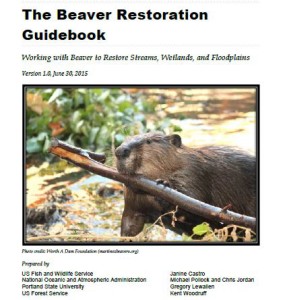
Restoration

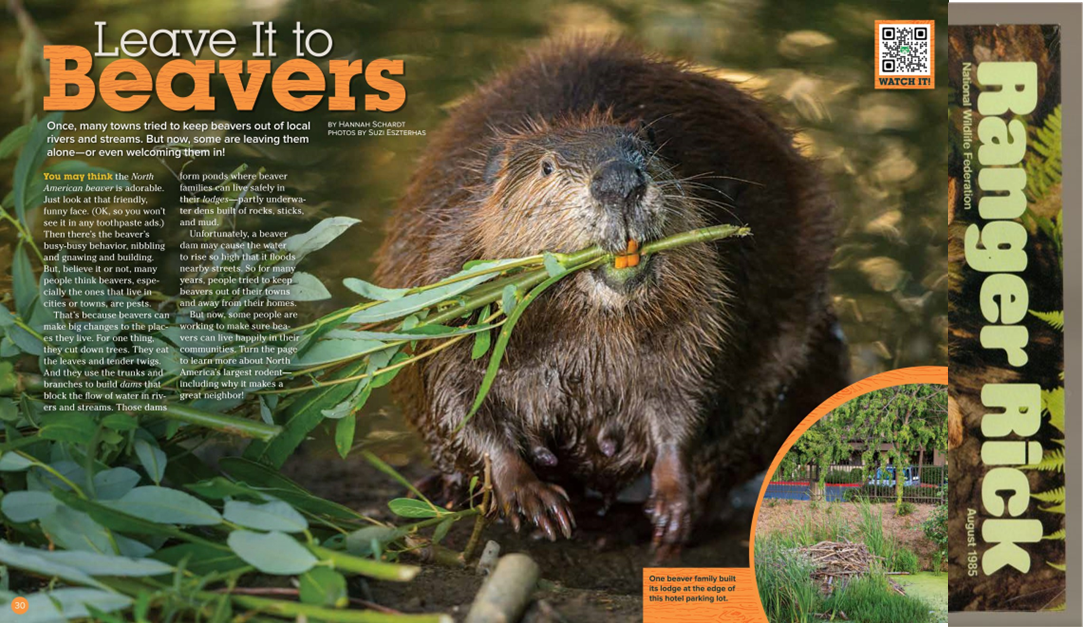
RANGER RICK

Ranger rick

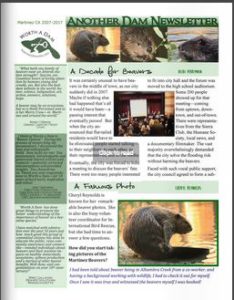
The meeting that started it all

Past Reports

October 2026
M T W T F S S
 1234
567891011
12131415161718
19202122232425
262728293031  

Story By Year

close

Share the beaver gospel!