





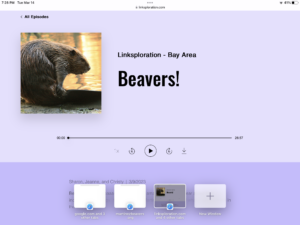
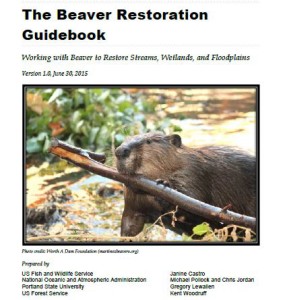
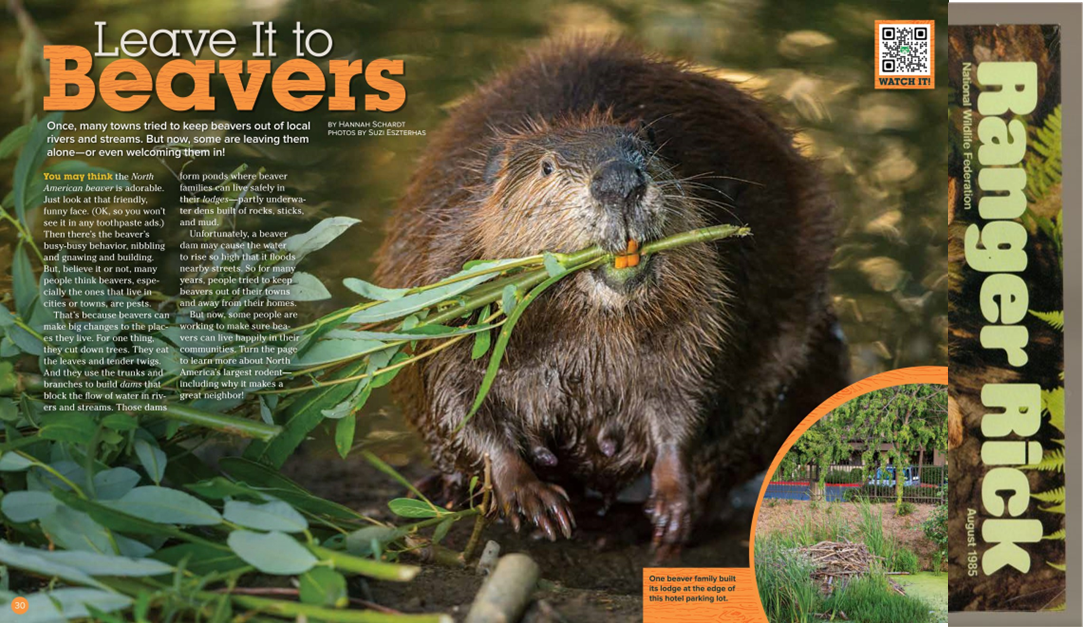
Beavers are having a moment, thanks to the new Pixar movie “Hoppers.” Amid some body-swapping shenanigans, the film is about humans coexisting with wildlife—particularly oversized rodents capable of reworking landscapes in profound ways.
The beaver science consultant on “Hoppers,” Emily Fairfax, joins Flora to talk about beavers’ brilliant, chaotic landscape engineering, and how the creatures show up in the movie. Then, reporter Zac Ziegler walks Flora through a successful beaver-centric engineering project in Oregon.
Guests:
Emily Fairfax is an assistant professor of geography at the University of Minnesota. She was a science consultant for the Pixar movie “Hoppers.”
Zac Ziegler is a reporter at KLCC in Eugene, Oregon.
Other episodes you may enjoy:
How The Humble Beaver Shaped A Continent
Beavers Build Ecosystems Of Resilience
Transcripts for each episode are available within 1-3 days at sciencefriday.com.
Want SciFri gear? Check out our new shop!
Subscribe to this podcast. Plus, to stay updated on all things science, sign up for Science Friday’s newsletters.



















One comment on “SCIENCE FRIDAY WITH BEAVERS”
Paul Stewart
May 6, 2026 at 6:22 amMany many thanks!
There is a wonderful 2023 British documentary film on PBS, “Wilding’. Must see!
Wikipedia on “Wilding”: The owners of Knepp Estate transition the land away from intensive farming and instead allow and encourage natural processes and biodiversity. The owners decide to stop farming partially as a result of a visit from an expert on oak trees … who draws to their attention how intensive farming is harming their existing oaks and has turned their living soil into dead depleted dirt. The rewilding includes allowing large herbivores like Exmoor ponies, Tamworth pigs, deer and English longhorn cattle to roam freely, based on the ideas of conservationist Frans Vera. While the project faces criticism from those who see it as a waste of agricultural land, an affront to aesthetics, or a risk of spreading weeds, the rewilding project sees successes such as the appearance of rare and endangered species such as turtledoves, white stork … and beaver! It takes them 10 years to get approval for a license for beaver. So the beavers appear at the very end of the film.