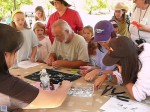





Gone are the days when eager students could spend a summer with Sherri Tippie and come back an expert in all the details of beaver relocation. What once was an art has become more of a science, although getting beavers to successfully stay put is still a challenge. Learn everything you need to know and earn certification for UFW with Joe Eaton’s upcoming three day course.

This is a three-day hands-on, field-based workshop designed for practitioners to learn how to interact with and manage beavers that are occupying sensitive areas and to relocate them to areas where they are wanted for stream restoration. This course is designed for individuals and groups who are interested in live trapping and relocating beaver for stream restoration. It is anticipated that this course will meet the training requirements of the State of Utah’s live beaver trapping certification.
The workshop will cover the three core components of translocation: (1) live trapping; (2) holding/handling, and (3) release. This workshop will count as training for participants who wish to become certified by the Utah Division of Wildlife Resources at live trapping.
Taught by the best of the best, this workshop will make sure you are relocation-ready. Just look at who your instructors will be.


Now if you’re ME you’d be tempted to point out that it’s kinda ironic they’re doing this work in Logan where they got famous for letting beavers stay put, thank you very much. But hey, I guess relocation is better than killing so good luck with that.
To learn more about the course go here:
And if all this education makes you hungry to learn more why not follow beavers to Oxford? Yes OXFORD. Where the motto Dominus Illuminatio Mea will soon be transformed to “Castorum Illumination Mea“. Thanks to our good friend Ben Goldfarb.

Environmental journalist Ben Goldfarb discusses the subject of his latest, award-winning book, the Beaver and how its reintroduction is benefiting the world’s ecosystems
Date
During this fascinating lecture Environmental journalist, Ben Goldfarb, reveals that everything we think we know about what a healthy landscape looks like and how it functions is inaccurate a historical artefact produced by the removal of beavers from their former haunts.
Across the Western Hemisphere, a coalition of `beaver believers – including scientists, government officials, and farmers have begun to recognize that ecosystems with beavers are far healthier, for humans and non-humans alike, than those without them, and to restore these industrious rodents to streams throughout North American and Europe.
It’s a powerful story about one of the world’s most influential species, how North America was settled, the secret ways in which our landscapes have changed over the centuries and the measures we can take to mitigate drought, flooding, wildfire, biodiversity loss, and the ravages of climate change. And ultimately, it’s about how we can learn to co-exist, harmoniously and even beneficially, with our fellow travellers on this planet.
This event includes a chance to buy a signed copy of Ben’s E.O. Wilson prize winning book.
Okay, now THIS makes me jealous. Giving or attending or working as a restroom attendant during a lecture at Oxford is the very definition of everything I covert. Jon and I once spent a day lurking and punting around Cambridge and I felt positively faint the entire time. I can’t imagine what Ben will sound like in those hallowed halls but I bet he will be tempted to use even bigger words.
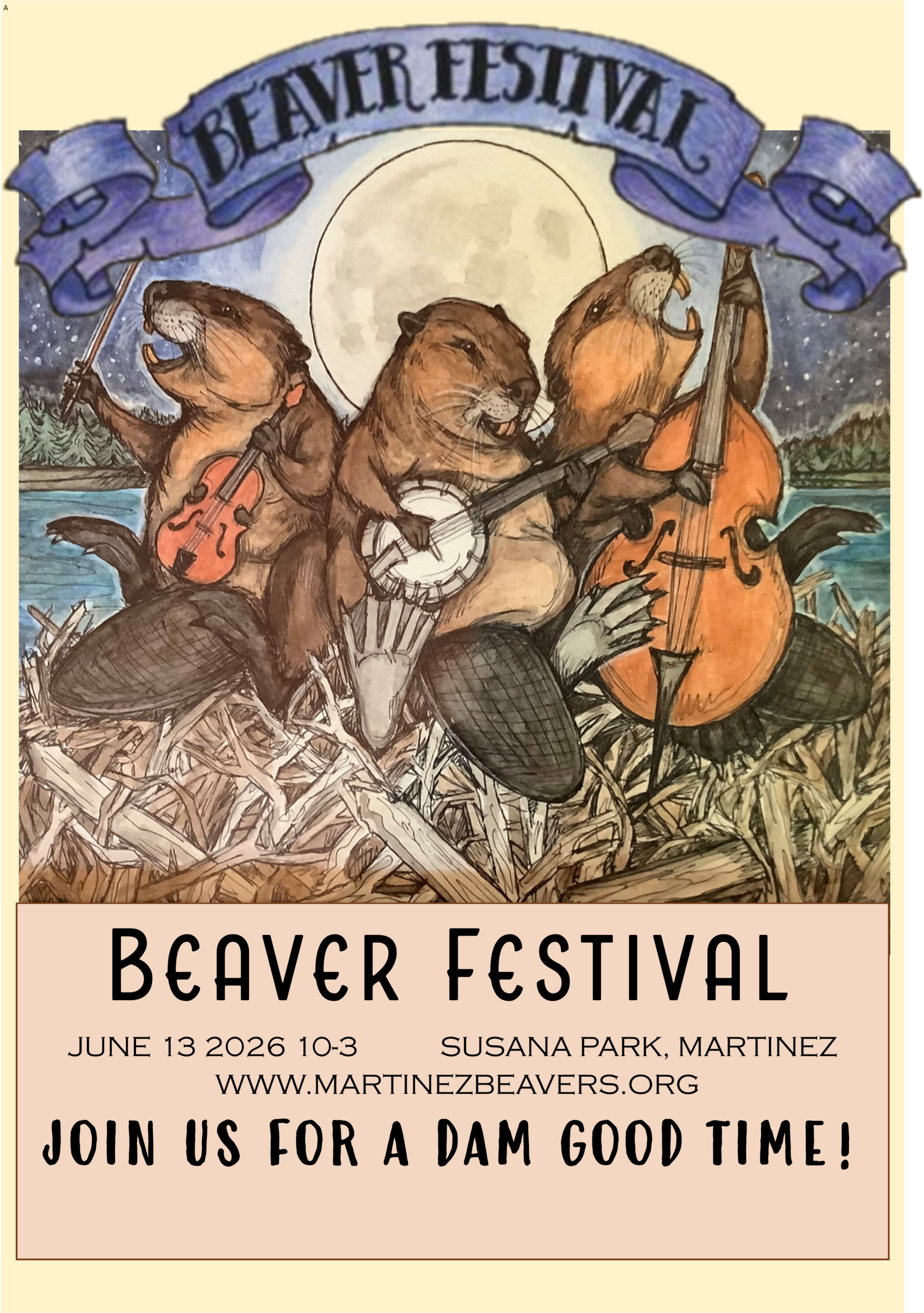
The date is my least favorite part of this story. Being in England at the beginning of June means he’s very very unlikely to be in Martinez at the end of June. Wistful sigh. But the beaver festival will just have to march on without him.
I’m still going to celebrate beavers getting into Oxford. It only took 400 years.
 And just to demonstrate that beaver education is still needed. I will share one precious and shocking moment from a google search yesterday. You have my word that this was not photo-shopped in anyway and was captured on screen exactly the way it looked. Always remember, as foolish and inadequate as we all are, we’re at least better than this.

 A roof of roots, soil and snow sheltered a spacious cave, just right for remodeling by a hobbit or a porcupine. I found it while tracking a porcupine I have known for several years, part of my winter census of local porcupines. Intriguingly, I had seen the tracks of a very small porcupine along with the tracks of the large porcupine on my last stop at the den. When I leaned down and shined my light in, I heard a whiny “Wah! Wah-wa-WAH!” I thought it possible that this complaint was directed at me, but given my previous interactions with porcupines, it seemed more likely that the wee track-maker objected to the movements of the adult porcupine. I left a couple of apples to make up for my intrusion and headed home.