




This is all over the news. It’s fascinating to watch but all I can really see is baby beavers in cages and that just seems wrong. How much do you want to bet they talked the tribe into running the cam because it would seem icky if fish and wildlife did it? I wonder who’s paying for the feed?
A Live Cam Shows Four Baby Beavers Born in Washington — How Their Relocation Will Help Restore Ecosystems
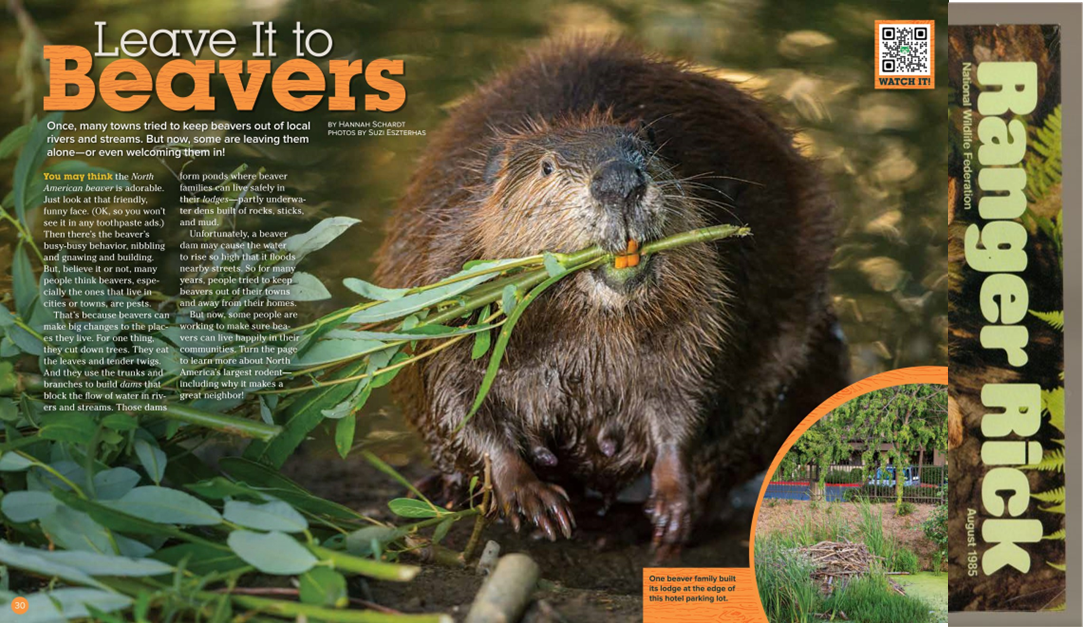
Cowlitz Kit Cam. (Image Courtesy of the Cowlitz Indian Tribe) Mother beaver and her kits from the Cowlitz Kit Cam. (Image Courtesy of the Cowlitz Indian Tribe)
Getting up close and personal with baby beavers — kits — just got a little easier, thanks to the new Cowlitz Beaver Kit Cam recently launched by the Cowlitz Indian Tribe in Washington State.
Viewers can tune in and watch as four kits and their mother play, grow, and cuddle up for long, cozy naps. According to a statement from the tribe, this live cam is part of an ongoing program that relocates beavers to more suitable habitats.
“As Cowlitz people, we have always understood our responsibility to care for the land and the resources it provides,” said Cowlitz Indian Tribe Chairman Bill Iyall in a press release. “This program is one way we are putting that responsibility into action — restoring balance to our ancestral homelands and waterways, and planning for the generations that come after us.”
The four kits, born on April 16, 2026, will remain with the Cowlitz tribe until they are old enough to be reintroduced into the wild.
Beavers Help Keep Ecosystems Strong and Slow Wildfire Spread
Beavers (Castor canadensis) can be found across many parts of North America, especially along ponds, rivers, and other waterways. They typically prefer habitats with woody trees that they can use to build their dams.
According to the press release, beavers are known as a foundation species that help improve water quality, restore wetlands, build habitat for other wildlife, such as fish, and increase an area’s drought resistance.
“Beavers are amazing ecosystem engineers and create high-quality complex wetland habitats that support biodiversity and ecosystem properties that can help buffer projected impacts of climate change,” said Jesse Burgher, wildlife program manager, in the press release.
Beavers are a critical part of the ecosystem, especially in the western U.S., where wildfires are more prevalent. According to the U.S. Forest Service, beavers can help create and maintain wetlands that provide water for plants and animals, which can come in handy during hot, dry summers.
Without beavers, however, these wetlands can diminish, leading to drought intensity and increased wildfire risk. The wetlands that beavers create can act as a natural fire barrier, protecting wildlife and helping firefighters control and contain wildfires, according to the U.S. Forest Service.
Restoring Beaver Populations
While beavers are not considered endangered, their populations were historically reduced, especially by the fur trade during the early colonization period in North America and by land-use changes and habitat destruction in the late 1800s, according to the press release.
Habitat loss and urbanization continue to impact beavers today, but the Wildlife Program through the Cowlitz Indian Tribe’s Natural Resources Department is working to keep beaver populations healthy and strong across parts of Washington State. This program is the largest in the state and among the largest in the western U.S., according to the press release.
“We’re finding a lot of evidence that suggests beavers once occupied many areas of the Cascade mountains of Southwest Washington and are taking efforts to rebuild beaver populations to restore critical freshwater resources and ecosystems across the landscape,” Burgher said in the release.
Keeping Beaver Families Together
For this program, the Cowlitz tribe works closely with the Washington Department of Fish and Wildlife and focuses on keeping beaver families together during relocation. Wildlife professionals locate beavers in conflict areas and bring them to a husbandry facility located on the Cowlitz reservation, where they remain until the other members of the beaver’s family are brought in. This approach is vital to the success of the relocation.
The beavers are typically held at the facility for about 7 to 10 days until the family can be fully reunited, then re-released into a suitable environment. Once released, the beavers will be monitored and tracked to collect data on the outcome of the relocation.
Each year, the tribe helps relocate about 70 beavers, or 20 to 30 family groups, into the wild, a crucial step in restoring beaver populations in Washington.
The Cowlitz Kit Cam will livestream the kits and their mother until they are ready to be released into the wild. During this time, the kits will gain weight and produce important waterproofing oils for their fur.