
Because the beaver isn't just an animal; it's an ecosystem!

Month: August 2025


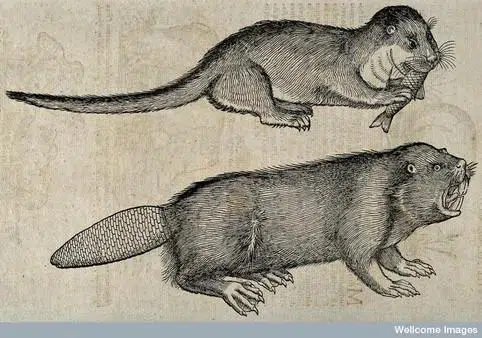
Konrad Gesner Woodcutting: 1558

The reason I love this image is because it represents perfectly the rakishly unjust way in which these two species are regarded. The otter image is cute and coquettish with huge long eyelashes to invite you closer while it devours its tasty morsel.

The Beaver with its multiple rows if teeth is truly terrifying and could not be more ugly and unattractive. A giant tooth vagina lurking on the landscape.

If you had a big sister that everyone loved and thought was perfect and you were always treated like you were invisible or a second class citizen even though you earned a scholarship to Stanford and silver medal at the Olympics you can probably guess how beavers feel about otters.

Now beavers are already tasked with preventing droughts, halting wildfires, slowing floods and cleaning the earths liquid toxins, but now they’re apparently being signed up for another job.

Returning river otters to the Gila and how beavers can help

Together, beavers and otters can create a more resilient, biodiverse river system

Did you know that river otters (Lontra canadensis) were once common in New Mexico, thriving in waterways across the state? In this era of otter abundance, otters played a key role in the Land of Enchantment as apex aquatic predators that helped stabilize food webs. 

By feeding on overabundant species like crayfish and other non-native fish, otters can help reduce competitive pressure on native species like the Gila chub and spikedace. Their presence is also a signal of ecological health: otters need clean water and healthy fish populations to thrive.

)

In a tragic story all too familiar, overtrapping combined with man-made habitat modifications and degradation led to the sharp decline of the native otter population. With New Mexico’s last confirmed river otter sighting in the Gila River in 1953, these charismatic aquatic creatures vanished from the state’s waterways for more than 50 years – lost to the trapping trade as well as habitat modification and degradation.

Together they can make the river more resilient? Um. Okay. I will concede that otters help rivers by eating and pooping moving the nutrients around the ecosystem. I’m nothing if not reasonable. But no one is saying that;s anything like what beavers do, right?

When it comes to restoring rivers, river otters have a powerful ally: beavers.

In New Mexico, beavers are certainly having a moment. State leaders and wildlife advocates are becoming more and more aware of the benefits beavers bring to the environment – so much so that the New Mexico legislature invested $1.5 million in beaver restoration over the next three years. WildEarth Guardians and the New Mexico Beaver Project are hard at work to ensure that the investment succeeds in expanding beaver populations into areas where they will do the most good.

Beavers are ecosystem engineers that reshape riparian zones by building dams, which create deep pools and expand wetlands. Beaver ponds offer rich foraging habitat for otters, and otters will sometimes even move into abandoned beaver lodges, which offer them refuge from predators.

Okay, we’re in agreement so far. This sentence is the one that really got my attention:

In turn, otters help maintain balance in beaver-created habitats by controlling fish and invertebrate populations.

The bottom line is that beavers can make New Mexico a more lush, resilient, hospitable, and productive place for people and wildlife.

In turn? In turn? That makes it sound like otters are helping beavers. Which drives me completely insane. Otters are cute. they are way more popular than beavers. Otter appetites may get rid of certain kinds of fish or crayfish. But that doesn’t help beavers one bit.

Beavers don’t care what kinds of fish their ponds are full of.

Beaver populations across the country are rebounding thanks to increased protections and the decline of fur trapping, and the Gila is no exception. According to Guardians’ Greater Gila New Mexico Advocate, Leia Barnett, “I’d say there have been reports of increased beaver activity along key waterways in the Gila region, but the landscape could host a lot more. And especially in these times of increased fire activity and ongoing drought, having larger beaver-created wetlands provides really important refugia for species when wildfires burn.”

Together, beavers and otters can create a more resilient, biodiverse river system, one that better withstands drought, stores carbon, filters pollutants, and slows the flow of water across the landscape.

The benefits would extend to the whole of the Gila Wilderness: healthier floodplains, more water for wildlife and people, and stronger resistance to the impacts of climate change.

Ohhh puleeze.

Don’t get me wrong. I’m not against otter in the Gila. And I’m curious at suggestion that they can be relocated. But saying that otters AND beavers can improve rivers is like saying that firefighters AND  paperboys can save neighborhoods.

One of them is doing all the heavy lifting and the other one is cute.


\t

Fantastic letter from Jennifer Lovett of “Beavers Away” fame.  Just check out the solid topical arguments she lays our for cooperating versus killing beavers.

COMMENTARY: Humane beaver management could save Vt. towns thousands of dollars

Beavers are remarkable animals who are both admired for their industrious engineering skills and disliked when their activities flood roads and fields. But our often-contentious relationship with them is long overdue for change.  

Recently, several studies have demonstrated the remarkable financial benefits of managing beavers humanely with Beaver Deceivers, pond levelers, and fences rather than traditional methods of trapping, shooting or blowing up dams. Now that federal disaster relief is not guaranteed and emergency funds may not be available to towns for infrastructure protection and flood remediation, towns could save thousands of dollars by employing non-lethal beaver controls. 

As a keystone species, beavers create, enhance, and maintain habitat that countless other species rely on for survival. And as ecosystem engineers, beavers change the landscape by converting small streams into vast, dynamic wetlands, swamps, and meadows. Beaver wetlands slow the rate of snowmelt and runoff; they store and cool vast amounts of water underground, which reduces the erosive impact of floods and can be released during droughts. Wetlands also act as firebreaks and critical places of refuge for wildlife during wildfires. Moreover, the sediment at the bottom of ponds filters out pollutants and improves water quality downstream. 

While beavers could be among our best allies in the ongoing battle with the changing climate, I admit that they can be frustrating and can cause serious problems in areas prone to flooding. Flooded roads, farm fields, building sites, and blocked culverts are often extremely expensive and recurring problems for towns and landowners.  

Beaver conflicts are generally handled by killing the beavers and destroying their dams. But this is rarely a permanent solution, as any good territory will be claimed by new beavers, resulting in a continual cycle of flooding, road or culvert damage, infrastructure repairs, and repeated annual killing of numerous animals. 

Alternatively, non-lethal means of controlling beaver activity are achieved by simply regulating the flow of water out of ponds or wetlands through devices that allow water to flow through a dam or culvert without the beavers’ desire or ability to block it. This permits the many benefits beavers provide to ecosystems and biodiversity to remain in place while also protecting infrastructure.  

Great letter Jennifer, smart work to tie it all to the destruction of FEMA and the loss of rescue calamity rescue funds,

In Alberta, Canada, researchers assessed the efficacy of pond-leveling devices and fencing to manage beaver activity in areas with chronic flooding. A cost-benefit analysis compared the cost of traditional management approaches (i.e., trapping, etc.) with non-lethal alternatives. The differential was remarkable. For 7 years, traditional management cost the province over $3 million, while the installation of non-lethal devices cost $179,440!  

In Billerica, Massachusetts, 55 beaver conflict sites were studied from 2000-2019. Again, results showed that the sites managed with non-lethal controls cost much less than those managed by lethal removal. While it costs $409 to trap beavers at each site per year, installations of flow devices at each site cost on average $229 per year. Thus, the town saves $7,740 annually with non-lethal management.  

Another study analyzed the efficacy and comparative costs of using flow devices to resolve beaver conflicts along roads in seven counties in the coastal plain of Virginia. Flow devices were installed in 14 sites damaged by beavers. The average maintenance cost at each site was less than $20 after flow devices were installed, compared to $21,490 per site per year for maintenance, road repairs, and population control prior to this installation. 

The work on this project was executed by Skip Lisle, inventor of the Beaver Deceiver device and president of Beaver Deceivers International, based in Grafton, Vermont. Lisle has successfully installed his flow devices, with lifespans estimated at 30-40 years, all over the country, including Vermont, and in several locations in Europe. With such a resource here in Vermont, this state should be leading the transition away from lethal management toward coexistence.

Cost-benefit studies have not been done in Vermont. But the small town of Andover, New Hampshire, resolved decades of costly beaver conflicts by rejecting traditional lethal management in favor of beaver deceivers and coexistence. In 2007, the town hired Lisle, who, over 10 years, installed protective devices at eight sites where culverts had been repeatedly blocked and roads damaged by flooding. 

The single thing I would have changed about this letter is that I would have placed Glynnis studdy last and highlighted the fact that it was an academic rigorous study subject to peer review. People always scoff Mike and Skips data because they say it wasn’t scientific,

Although financial considerations were paramount, Andover’s transition from lethal management strategies also reflects changing attitudes toward beavers and the critical role they play in wetland ecosystems. Andover town officials estimated that over 10 years, the town saved about $130,000 and projected a savings of almost $500,000 to town coffers over 30 years. Alternatively, a case study found that repeated killing of the beavers and the associated repairs to infrastructure would cost the town well over that amount. 

Fiscal savings are quantifiable when it comes to the time, equipment, and labor involved in repairing culverts and roads, but the value of a functional, ecologically balanced wetland system is immeasurable. Sadly, traditional methods for controlling beaver activity are still commonplace and seem to be the first choice of towns, landowners, and wildlife managers. 

The resulting loss of wetlands has dire ecological detriments. Floods, droughts, biodiversity losses, and wildfires are all symptomatic of our rapidly changing environment. 

Clearly, harnessing the beaver’s ability to mitigate impacts from climate change makes enormous sense and is far preferable to removing them again and again from the landscape in a way that harms ecosystems and needlessly drains municipal funds. 

Fantasticwork Jennifer! That is a letter for the ages. I love how you so seriously and frankly clarify that beavers CAN cause damages and how you make it clear that we can address those in smarter ways.


This headline from the UK might be my favorite of all time. Too bad they still can’t tell a beaver from a nutria though.

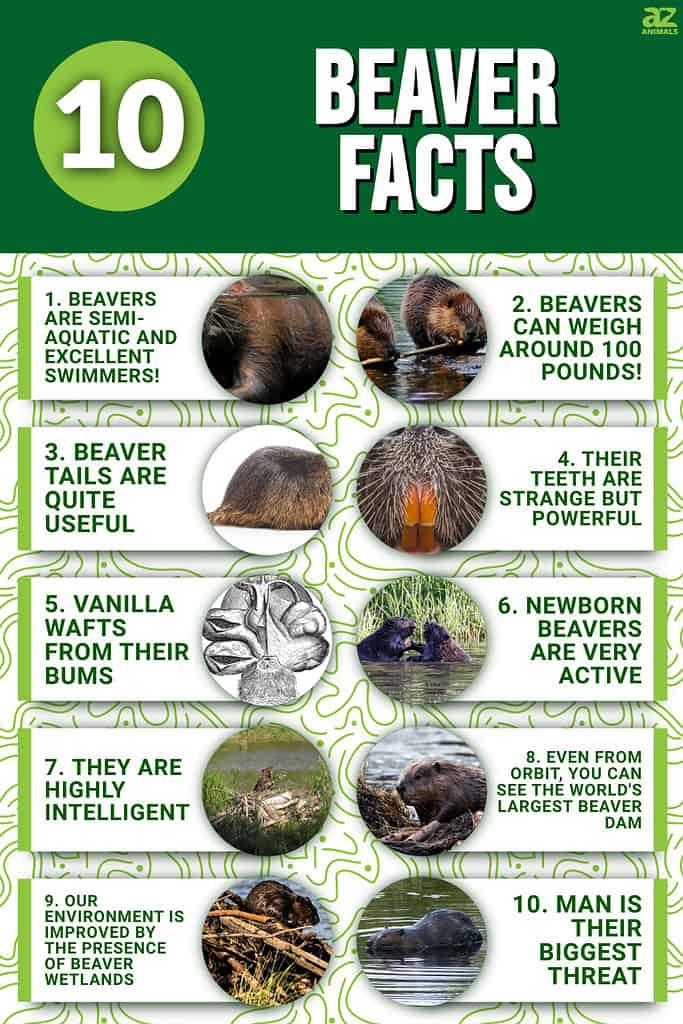
Ecosystem Rockstars: Learn 10 Incredible Beaver Facts Amid UK Reintroduction Efforts

England officials promised to reintroduce Eurasian beavers to the country. However, after a successful starter release in Dorset in March, reintroduction efforts have suddenly stalled. Despite 40 applications for permission to release Eurasian beavers into the wild, no additional licenses have been granted. Conservationists are puzzled and concerned over this recent development. Beavers in the wild bring an assortment of ecological benefits, such as flood mitigation, soil rehydration, and habitat restoration. The more beavers reintroduced to the region, the greater these benefits could be. However, the bureaucratic licensing process, which experts say takes way too long and requires unnecessary reports, is stalling these potential benefits. Conservationists are asking for more straightforward procedures to help ensure successful reintroduction efforts.

It is no wonder so many beaver advocates are in favor of restoring U.K. populations of the species. Beavers produce dams and colonies and are a keystone species to our planet, meaning that they help to maintain the overall functioning within their ecosystems. More than 1,000 creatures live in beaver-made wetlands. The ecosystem balance they provide not only supports beavers but other creatures as well. Beavers work hard and deserve praise. If you’re curious about the wonderful world of beavers, keep reading to learn 10 incredible beaver facts!

This post was updated on August 1, 2025 to include an update to the U.K.’s efforts to reintroduce the Eurasian beaver.

I absolutely LOVE the idea of beavers as ECOSYSTEM ROCKSTARS! I can picture the fans all gathered together by the pond  waiting with baited breath for beavers to show up. In fact I can remember when that actually happened in Martinez.

See if you can spot where they went wrong.


Oregon’s good news is getting itself talked about. Nice report from OPB.

Oregon increasing beaver protections to help salmon, slow wildfires

Oregon just passed its second beaver protection law in as many years. The hope is that a bigger beaver population will help salmon, slow wildfires and also safeguard drinking water.

Ron Jackson has a 23-acre ranch outside of Prineville, Oregon. A little creek travels across it, attracting wild turkey and deer. And while he doesn’t see them very often, there are also beaver hiding in his wetland.

“They make a nice sharp point, cutting down our trees,” Jackson said. “And I see where they’ve taken the branches and made little dams.”

Beaver dams help keep the foliage under control. They also mean the water sits on his land longer and has time to seep into the ground. That brings up the water table, allowing plants to grow longer and keep things wetter, and thus also helps inhibit wildfires.

“Some of this stuff grows so wild, they’re doing me a favor,” Jackson said. “I don’t want to run them off, unless they become a huge pest. And they’re not.”

Keep the beavers you have so they can keep the others from moving in! That’s my advice.

Jackson is a retired pilot, so he can enjoy just watching the wildlife. He doesn’t have to make money off the land.



An hour away in Madras, Jeremy Watson traps beavers on an 83,000-acre working beef ranch. There are about six beaver colonies. Each one contains maybe eight beavers. Watson leaves four colonies alone because they’re not causing any problems.

But he’s regularly trapping at the other two.

“Where it is, it’s a crossing. And so (the water) blocks up the crossing and it washes the bridge out,” Watson said.

When beavers are trapped, it’s usually because they’re causing this kind of damage. Some are shot for sport. But the taking of any beaver in Oregon is becoming increasingly regulated, because so much money is being spent on bringing them back into Oregon’s landscapes.

After years of focusing on salmon, scientists are now understanding that beavers are very important for salmon. Beaver dams are thought do everything from cooling and cleaning the water, to providing deep pools for young salmon to live in, as well as helping to ensure there are bugs to eat and willows for shade and protection.

Suffer the little salmon to come unto us! No one who want’s salmon should be against beavers!

The Oregon Legislature has recently passed two bills that increase beaver protections. House Bill 3464 reclassified them as “furbearing” animals, rather than “predatory” animals. In practical terms, landowners must now get a permit to remove a problem beaver and they must report the removal to the Oregon Department of Fish and Wildlife.

“To me that’s a good bill,” said Watson, “because not everybody can just go shoot them now.”

Salem passed another beaver protection law this year, House Bill 3932. Its sponsor, Oregon Rep. Pam Marsh, said it protects beavers by restricting trapping along waterways on public land that are “impaired.” That is waterways that suffer from high temperatures, excessive sediment, low oxygen or high nutrient levels.

“There’s a lot of associated issues as to what’s going to turn around an impaired waterway,” Marsh said. “But what we know is that beavers can be a helpful element. So that’s what we’re doing.”

Of Oregon’s 300,000 miles of rivers, about a third are classified as impaired by the Oregon Department of Environmental Quality.

That’s a lot of water, said trapper Jeremy Watson, who thinks this new law goes too far. He said the law takes away an activity that Oregonians have participated in for generations.

“You’re taking these rights away on something that they’re saying is a problem, but it’s not a problem,” Watson said. “There is no shortage of beavers in the state of Oregon.”

Hush. Less trapping and more tail slapping!

Watson also said many beavers don’t actually help cool or clean the water — an issue that scientists are still researching.

But other people, like retired habitat manager Fran Recht, welcome the new beaver protection laws. She said she’s particularly appreciative of the way beavers protect drinking water with their dams and dampen the forest, helping to protect against wildfires.

Why do wrong people keep being wrong even though the solutions are obvious? Oh right. Didn’t Upton Sinclair have an answer for that?

“It is difficult to get a man to understand something, when his salary depends on his not understanding it.” -Upton Sinclair

“With the climate crisis and fires and droughts, we’ve got to get beavers back on the landscape,” Recht said. “And one of the big tools is restricting hunting and trapping.”

Recht is against trapping primarily because it happens during the pupping and mating season. That makes it hard for beaver populations to grow.

Many people also don’t like the fact that when beavers are trapped underwater, if they’re not killed instantly, they slowly drown.

While environmentalists and trappers disagree on some issues, there appears to be a consensus that what Oregon really needs is more beaver habitat. There are lots of efforts to create it by building artificial beaver dams across Oregon.

Chris Gannon, who directs the Crooked River Watershed Council in Prineville, said creating beaver habitat is not as easy as it sounds. He said it can take up to 10 years for an artificial beaver pond to grow the vegetation needed to support an actual beaver.

“It took a long time for these systems to degrade. It took a long time to trap beavers and virtually drive them to near extinction,” Gannon said. “So it’s going to take some time to bring them back to any kind of significant numbers.”

Meanwhile, the Beaver State’s eponymous animal seems to be enjoying a moment.

Beaver protection ideas continue to circulate through Salem, and the Oregon Department of Fish and Wildlife’s beaver commission is several years into its Beaver Action Plan.

Protect beavers. Protect salmon. Protect ourselves.

BEAVER FESTIVAL XVII

DONATE

‘HOPPERS’ COUNTDOWN


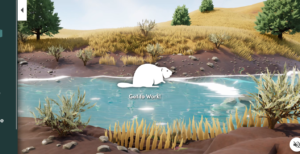
Beaver Interactive: Click to view

TREE PROTECTION

BAY AREA PODCAST

Our story told around the county

LASSIE INVENTS BDA

CONTACT US

URBAN BEAVERS

LASSIE AND BEAVERS

Ten Years

The Beaver Cheat Sheet

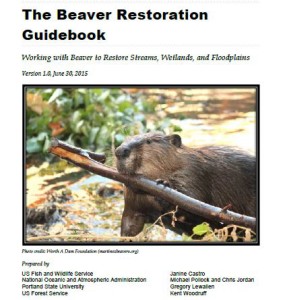
Restoration

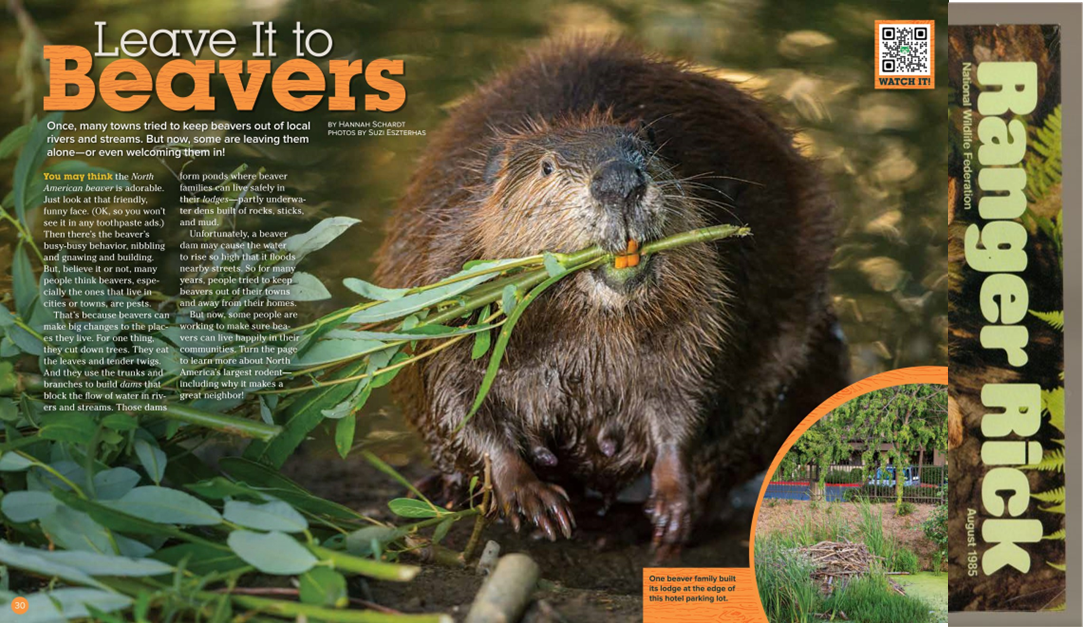
RANGER RICK

Ranger rick

The meeting that started it all

Past Reports

Story By Year

close

Share the beaver gospel!