
 Can you feel it?
There’s a palpable energy in the air as we are moving closer to the first ever beaver conference on the East Coast. This morning I have my tech walk through to make sure everything works properly. And later this weekend I’m imagining folks will be arriving.
In the meantime the conference finally got some good press, and we’re happy about that.
Can beavers provide cost-effective solution to stream restoration efforts?
Years back, thanks to a generous friend, I had access to a beaver pond to hunt wood ducks. I don’t have a clue if this trickle connected to one of the larger streams in that area, but it was a magical spot, nonetheless.
Its banks were surrounded by a gnarled maze of buttonbush and alders. Large sycamores, gums, ashes, white oaks also ringed the pond, the collective canopy creating a vast hammock for raptors, songbirds and those overlooked animals that prefer to keep out of sight.
Yup. Beavers help woodducks mightily. All those little invertebrates feeding all those little fish that all those quiet woodducks love to munch. I guess the reporter of this article thought it might have been a coincidence?
Just so you know, he’s not coming into this as a true believer.
I’d also long assumed that their instinctual dam building compromised the health of creeks and streams, especially where healthy trout stocks dwell. Removing trees not only accelerates erosion it eliminates the shaded canopy so important to keep the hot sun from cooking water temperatures so high trout and other fish and aquatic life cannot tolerate it
Good lord. Tell us more about what you ‘used to believe’. I used to be certain I could fly down stairs. It turned out. I was wrong.
To explore this idea further, ecosystem restoration and mitigation experts from throughout the Chesapeake Bay watershed, as well as those from elsewhere in the United States and abroad, will convene at BeaverCON 2020, being held March 3-5 in Hunt Valley north of Baltimore.
Attendees will discuss, among other topics, how beavers can help restore tributaries naturally by trapping pollution, increasing biodiversity and even combating climate change, all in a cost-effective manner.
HURRAY HURRAY! Never mind that the court has already ruled on the issue MANY MANY TIMES and the conference really is not to ‘explore’ or ‘debate’ the issue but to communicate the facts about what readers of this website know to be true: Beavers are good news. Pay attention!
However, given the Trump administration’s continued assault on Chesapeake Bay cleanup efforts — the most recent insult is a proposed 91 percent funding cut written into the federal 2021 budget, vigorously opposed, thankfully, by right-thinking pols like Gov. Larry Hogan and Maryland’s Congressional delegation as well as most hunting and fishing organizations — ramping up beaver-driven restoration, at least on a stream-by-stream basis, is definitely worth a try.
At this stage, what do we have to lose?
Ha!
Now that I did not see coming. The Trump administration is ruining everything anyway so why NOT try beavers? Silly me, I hadn’t even been thinking of them as an ally. I guess it’s an ill wind that blows nobody some good, right?
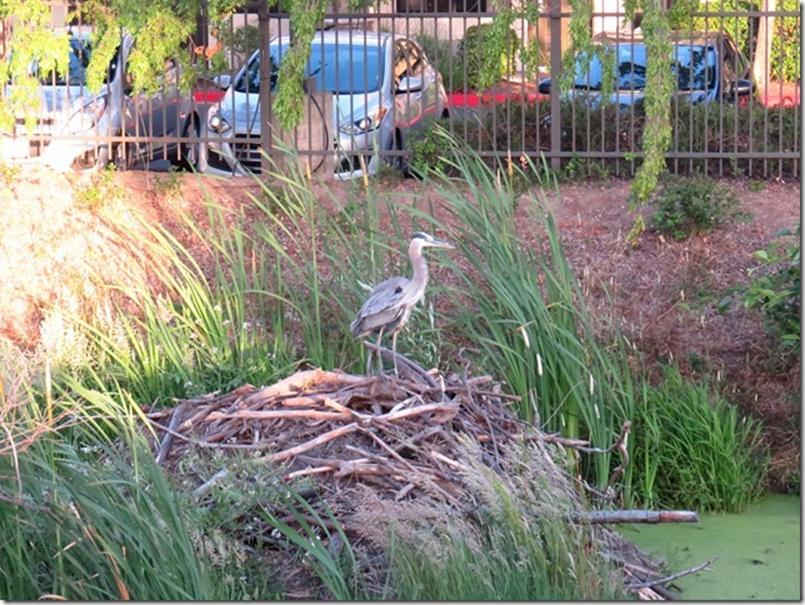
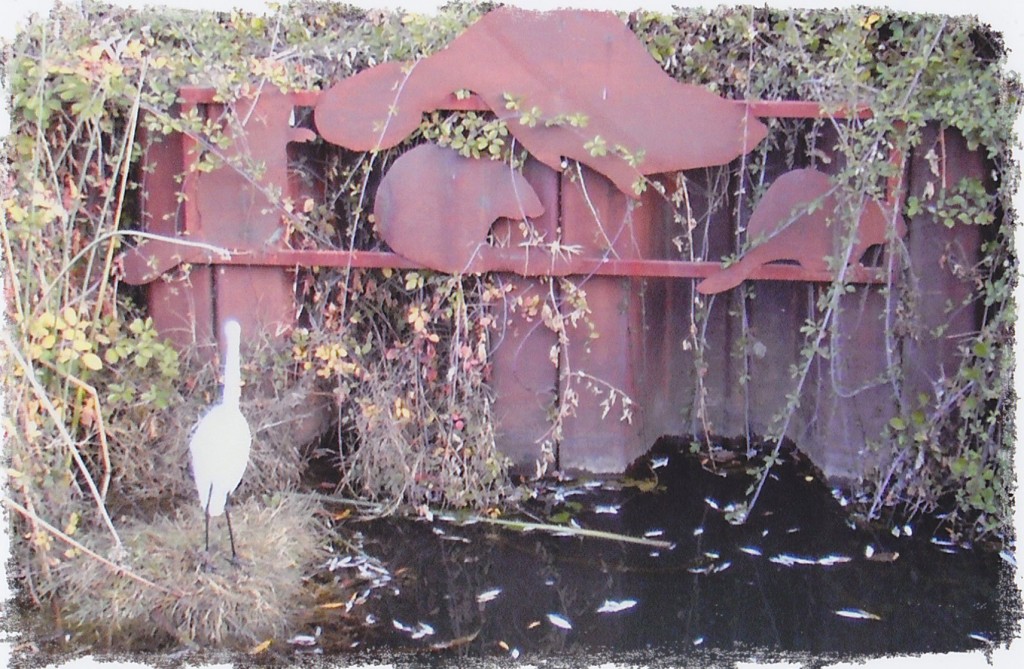
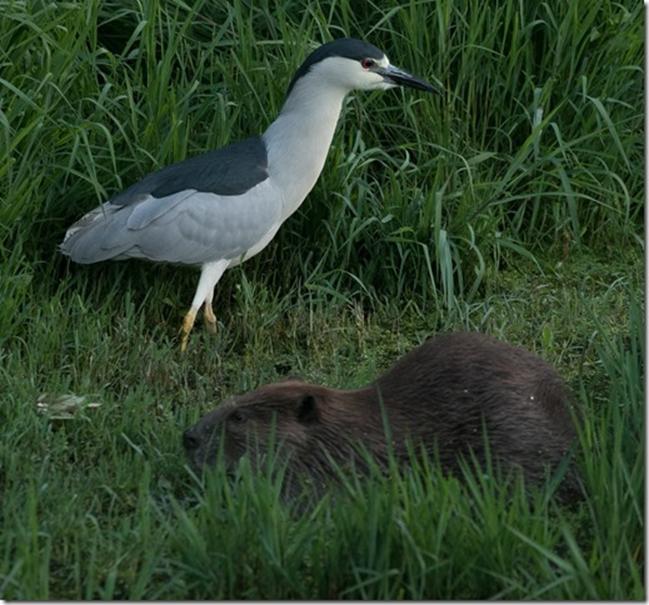

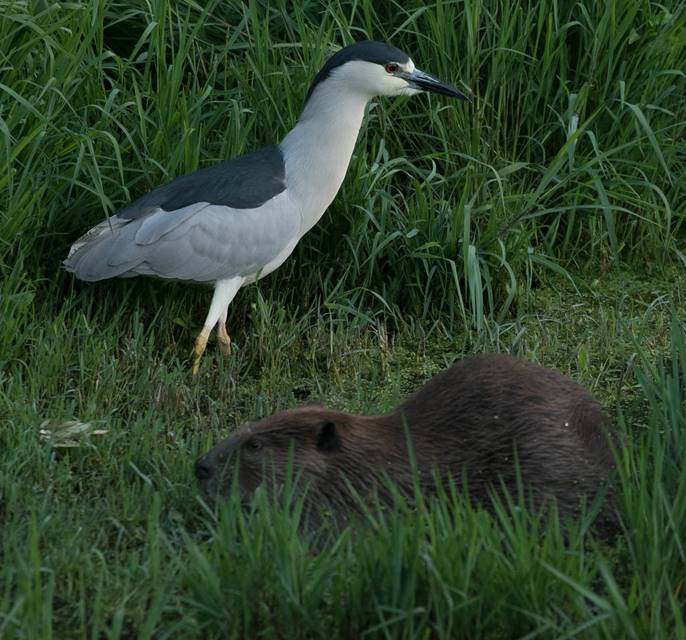
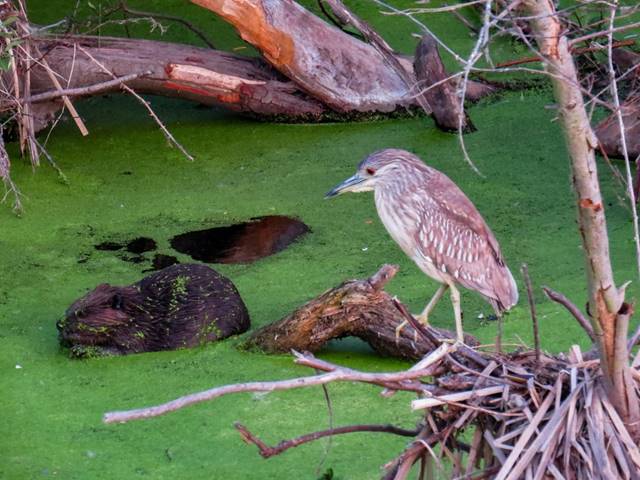
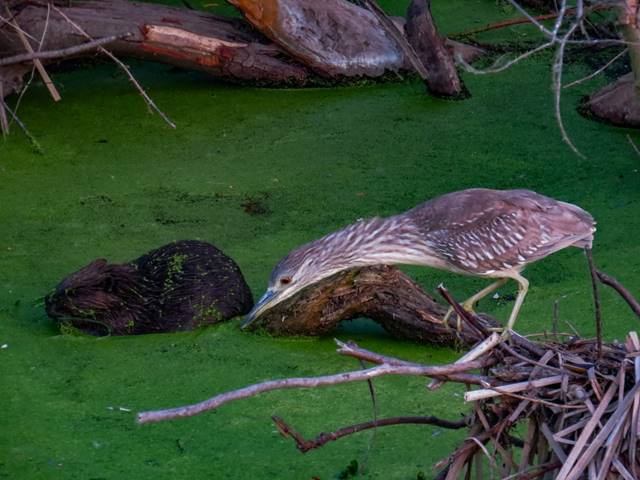
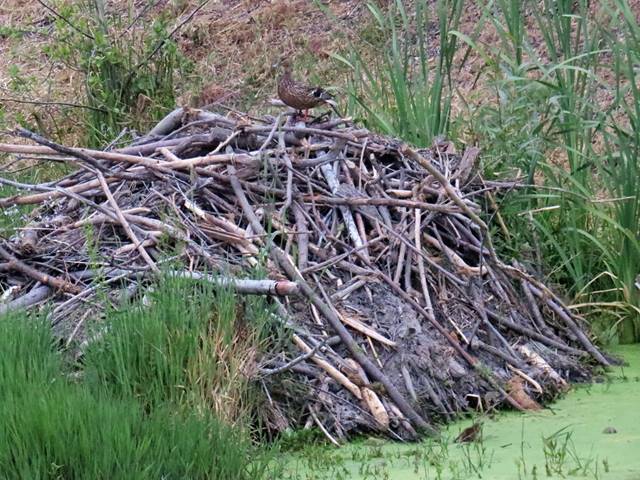


 I honestly don’t no whether to be excited or dismayed by this news. I mean it’s kind of like you’ve been trying to teach your baby brother to use a fork when he eats his macaroni instead of eating with his fingers. And one day he suddenly pics up sand shovel and starts putting them in his mouth. It’s definitely an improvement and you are proud of him in a way. But he still has a long way to go before he can sit at the big kids table.


 Here’s what Skip Lisle, inventor of the thing you’re trying to avoid using has to say about them on Facebook.