




Because the beaver isn't just an animal; it's an ecosystem!


FacebookFacebook
email articleemail article

My 91 year old mother has received bundles of wildlife calendars over the years as a response to various donations in the past. The other day she said to me, “You know what’s odd? these calendars have all these lovely photos of bears and wolves and whales, but never of beavers, why is that?”

Why indeed. I guess times are slowly changing.

Beavers: The ultimate ecosystem engineers

Many wetlands started as beaver-dammed streams. As the beaver pond grows, it provides for an increasing number of plants and animals. Frogs splash at the edges, fish dart beneath the surface, and many species of birds find refuge in these lush habitats. But there’s an invisible benefit too – these waterlogged areas are amazing at trapping air pollution. Studies show beaver-made wetlands contribute to clean air and water worth, providing services worth hundreds of millions of dollars. Though to the beavers, it’s all in a day’s work.

During a heavy rainstorm, some streams and rivers overflow their banks, but a beaver-engineered stream system handles floodwaters with ease. Their dams work like aquatic speed bumps, creating winding paths that slow rushing water. This prevents soil from washing away and allows rich nutrients to settle to the bottom. Over time, this activity gradually raises the stream beds and reconnects them to the surrounding land that used to flood naturally. And during dry spells, beaver dams release stored water slowly, keeping streams flowing when they might otherwise dry up. Perhaps most impressively, these structures function like a free water treatment plant, cleaning water by trapping dirt and filtering out pollutants like nitrogen and phosphorus.

Yes they do WWF. They do that all the time and have done for thousands of years without a single donation. Although sometimes they need a few helpers to let people get out of their way.
Recent studies have also found that areas with beaver activity burn much less severely during wildfires—suffering only one-third the damage compared to similar areas without beavers. In the western United States, where landscapes are subject to drought and wildfires, fires often burn everything except areas surrounding beaver complexes. There, even during dry spells, water continues to soak into the ground, refilling underground water supplies and keeping plants moist.

Putting this ingenuity into practice, World Wildlife Fund is working with ranchers in the Northern Great Plains to recreate beaver habitat by constructing dams—Beaver Dam Analogs—that mimic the crafty rodent’s water management systems to store water, a particularly precious resource in this arid habitat. Some landowners are even seeing beavers return thanks to the more favorable conditions provided by these human-made dams.

By protecting beaver families and welcoming them back to our waterways, we can benefit from their natural building skills to create landscapes that better withstand severe weather, support wildlife, and suppress wildfire, one carefully laid stick at a time.

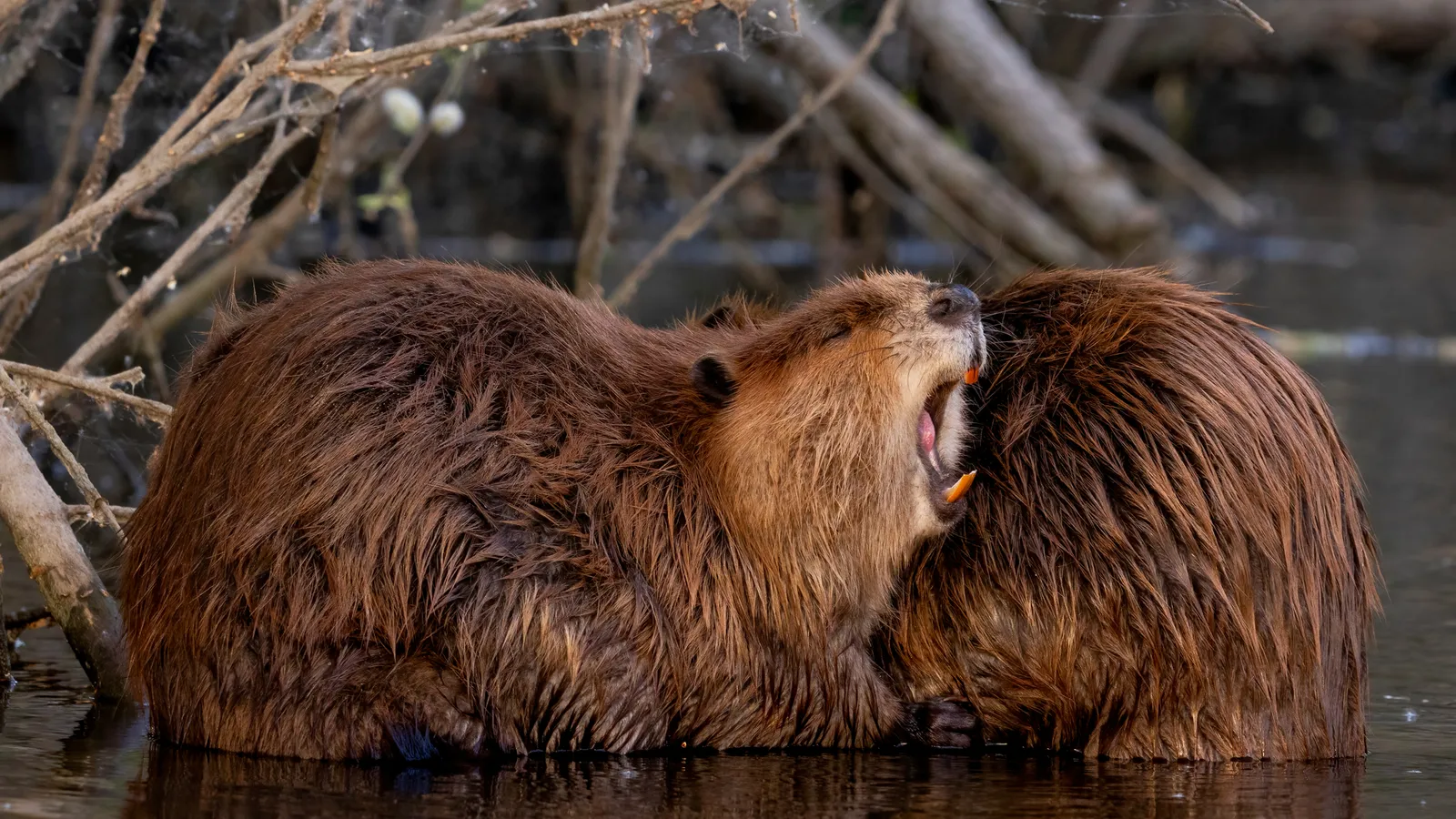
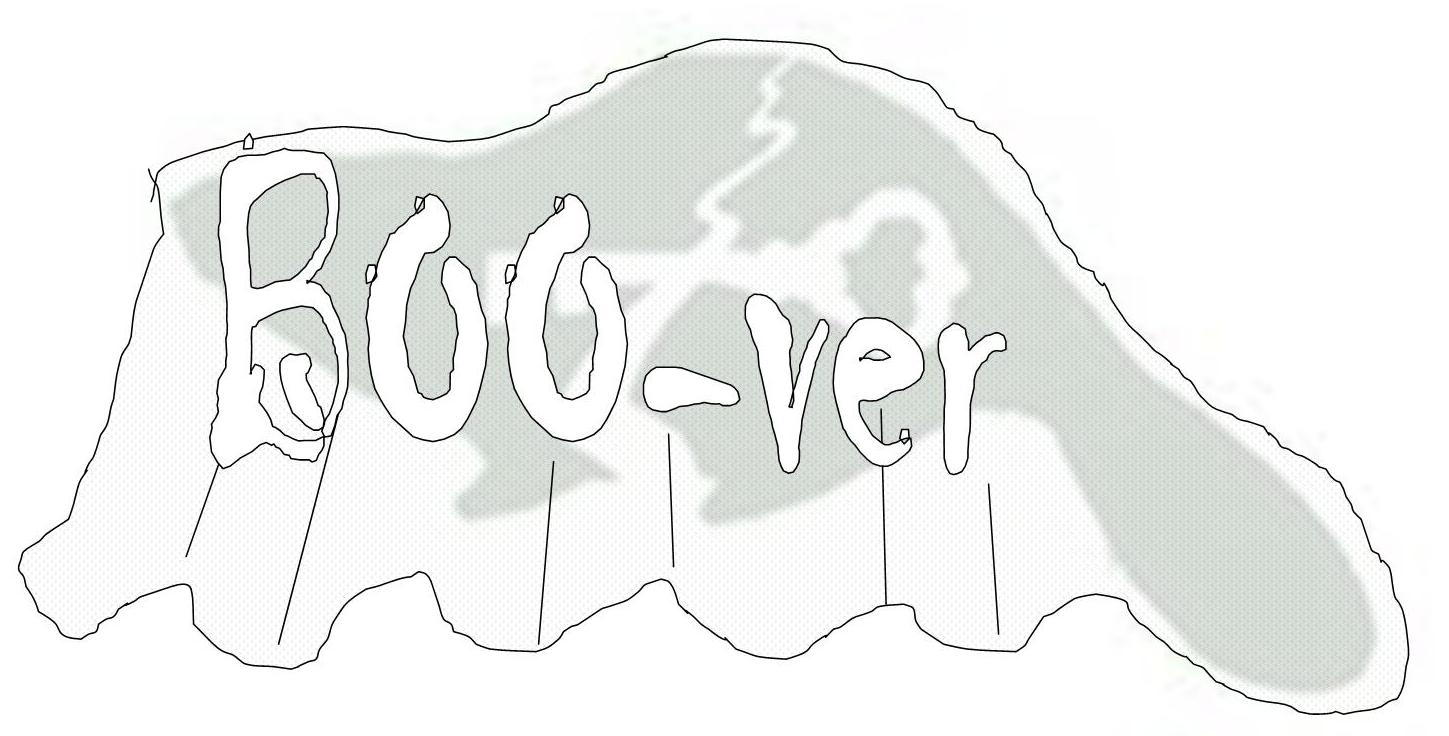
I like THAT photo! Maybe you could put that in the next calendar? Just a suggestion.You know saving beavers means saving lots of other wildlife too. I’m thinking you might even want to update your logo. Think of them like pandas of the water,


FacebookFacebook
email articleemail article

Awesome new film from the Beaver Trust in England.

And we’re what, surprised by that?


FacebookFacebook
email articleemail article

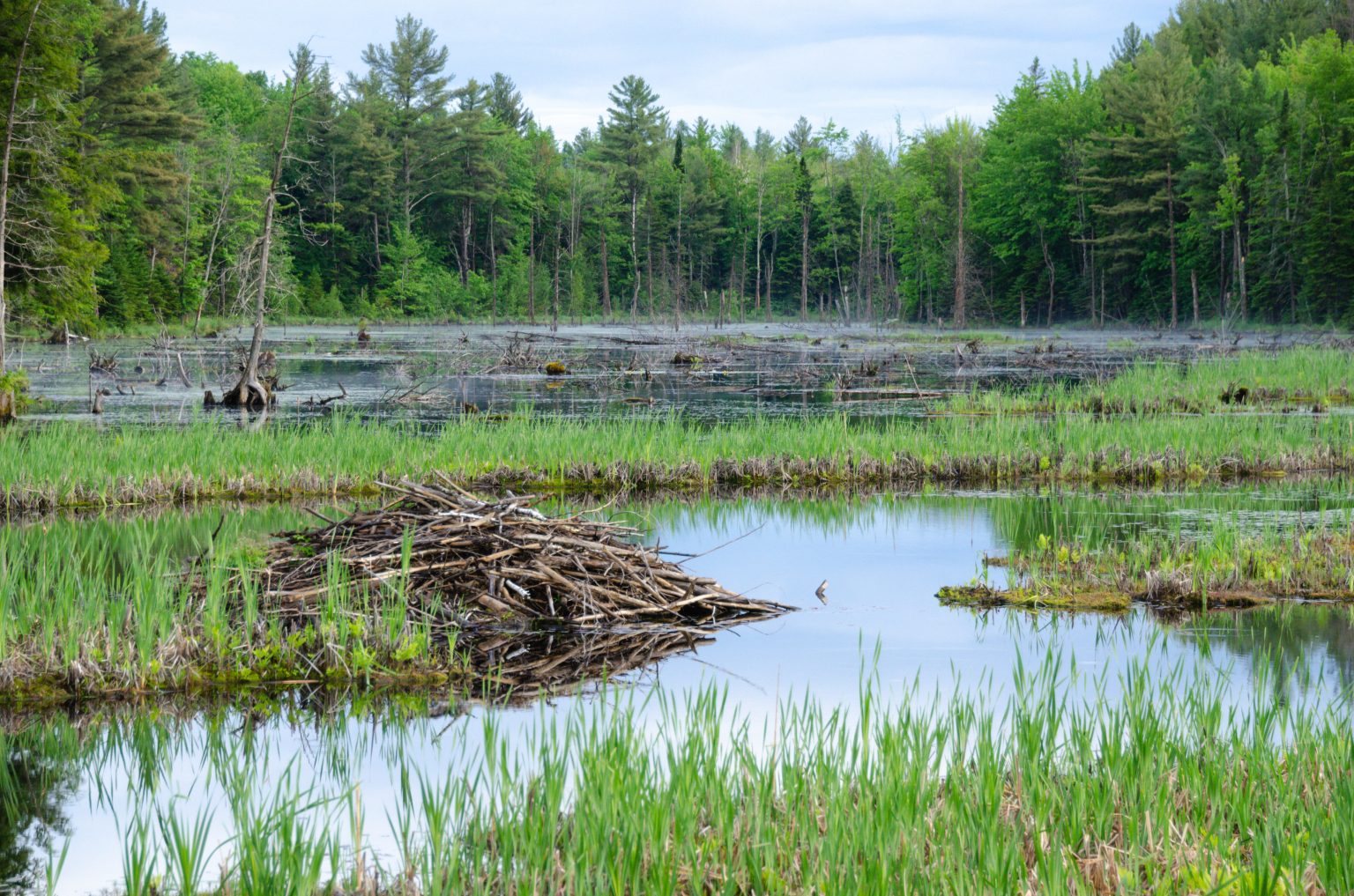
This morning the San Francisco Estuary Partnership will present the award to Amy Gallaher Hall for her remarkable chalk art at the beaver festival. Since she can’t be there her father will accept it in her stead. Amy has done dynamic beaver murals at our festival every year without charge since 2017.


It just seems a little unfair to read about this big launch and see the attending “artwork”..
“Kit the Keystone” teaches children about the importance of conservation

HAGRIN FALLS, Ohio — An Ohio author hopes to inspire the next generation of naturalists through a heartwarming story about a little beaver who goes on a big adventure.

Kit the Keystone” tells the story of Kit, a young beaver living in Stillwater Pond. However, Kit’s life is upended after their friend, Benny the green tree frog, discovers their home is being overtaken by purple loosestrife.

The plant, which is classified as a noxious weed by the Ohio Department of Agriculture (ODA), was once grown for ornamental and medicinal purposes by settlers throughout Ohio and other states.

Because purple loosestrife is native to Eurasia and has no natural predators in North America, it displaces the native plants wetland animals rely on for food and shelter, according to the University of Illinois Urbana-Champaign.

As a result of this sudden invasion, Kit and Benny choose to brave the unknown and go on an adventure to find a new wetland habitat for their friends and family, encountering other animals along the way.

Kit’s adventure mirrors the life of the book’s author, Jess Leibson. In addition to being an author, Leibson owns an art studio and is a fellow with the Economic Recovery Corps, through which she works for the Outdoor Recreation Council of Appalachia (ORCA).

As a child, Leibson had an incredible passion for reading and writing. Leibson later put her talents to work as a journalist, before becoming a copywriter and copy editor for Fortune 500 companies.

Okay Kit. Let’s see what you got. Martinez has a keystone story too. Except for here the noxious weed was a developer and the cure was moving the people to a new understanding.


FacebookFacebook
email articleemail article

This headline caught my eye because it is the exact final statement  a child delivers when asked to extol beaver benefits at our festival a few years ago. Just listen.

It’s nice to think hydrologists know as much as a nine year old.

Beavers Impact Ecosystems Above and Below Ground


As ecosystem engineers, beavers build resilience into the landscape.


Above ground, we can see changes wrought by beaver ponds such as increases in biodiversity and water retention. But UConn Department of Earth Sciences researcher Lijing Wang says we have a limited understanding of how they impact what happens beneath the ground. In research published in Water Resource Research, Wang and co-authors study how water moves through the soils and subsurface environment and detail new insights into how beaver ponds impact groundwater.

Groundwater can be an important source of water for streams, especially late in a dry summer, it may be the only source of water sustaining a stream, says Wang, and researchers are interested in understanding if and how beaver ponds impact groundwater as these details are important to consider for water management and restoration efforts.

Wang explains that some initiatives have included building beaver dam analogs to mimic what live beavers do and these man-made structures similarly extend the wetland and make an area more drought and wildfire resilient, however there are no comprehensive studies that focus on understanding beaver-induced changes to the subsurface water.

“Our work here develops one of the first hydrologic models that helps us understand what happens from the beaver inundation to the subsurface system under different subsurface structures,” says Wang.

Once beavers catch on everyone will want them. Mark my words.

“Our results show that when the water reached the gravel bed, it does not stay there, it goes downstream. Thinking of the gravel bed as ‘a thick river’ underneath the stream bed, there’s more water flushed downstream in the subsurface than we thought. It’s not staying there and sustaining the local water table,” says Wang.

Though this research focuses on beaver ponds in Colorado, Wang says she is starting to focus on New England, and she has started monitoring local beaver ponds.

“In New England, we have different problems compared to the Rocky Mountains, where they have a relatively simpler river network. In New England, we have complex river networks with more tributaries, channels, and beaver dams, which give us more biodiversity, and sustains mature floodplains and wetlands overall.”

Understanding the intricacies between land use practice and its subsurface environment is critical for understanding exactly how beaver ponds will influence other aspects that we may not immediately come to mind, Wang explains, such as potentially negative changes to water quality and for this we need a comprehensive analysis.

As beavers slow the flow of water and create ponds, this changes the subsurface oxygen conditions and leads to lower oxygen, or anoxic, concentrations in the water. These conditions can then lead to the proliferation of anaerobic bacteria, whose activities in the sediment can mobilize heavy metals that would remain trapped in more oxygen-rich conditions. For these scenarios, location and history are key.

Well thriving beavers are actually the key.

BEAVER FESTIVAL XVII

DONATE

Beaver Interactive: Click to view

TREE PROTECTION

BAY AREA PODCAST

Our story told around the county

LASSIE INVENTS BDA

CONTACT US

URBAN BEAVERS

LASSIE AND BEAVERS

Ten Years

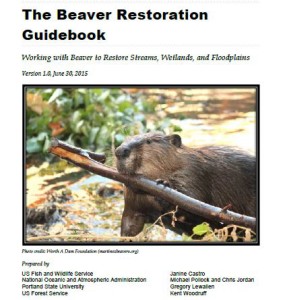
The Beaver Cheat Sheet

Restoration

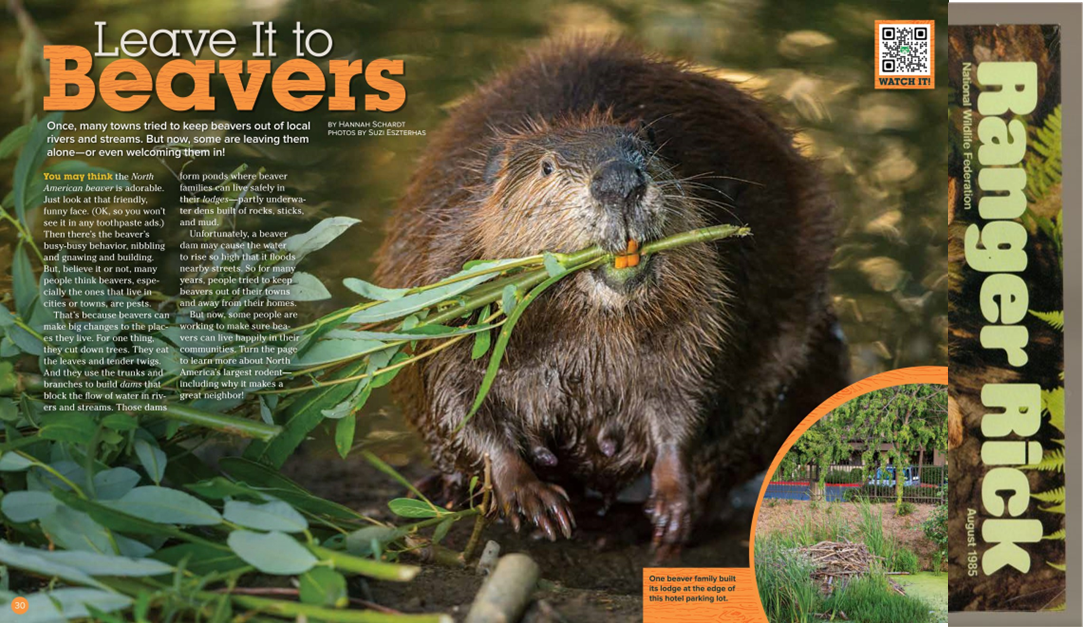
RANGER RICK

Ranger rick

The meeting that started it all

Past Reports

May 2026
M T W T F S S
 123
45678910
11121314151617
18192021222324
25262728293031

Story By Year