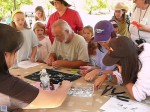
Two new studies suggest that the semi-aquatic rodents provide food and habitat for bats and pollinator insects within their engineered ecosystems
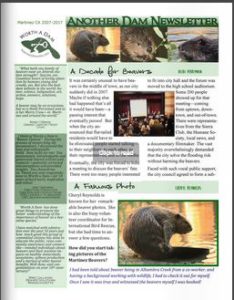
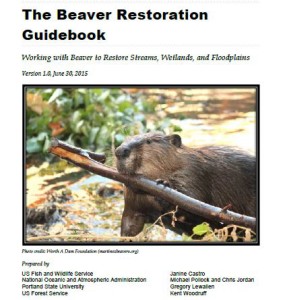
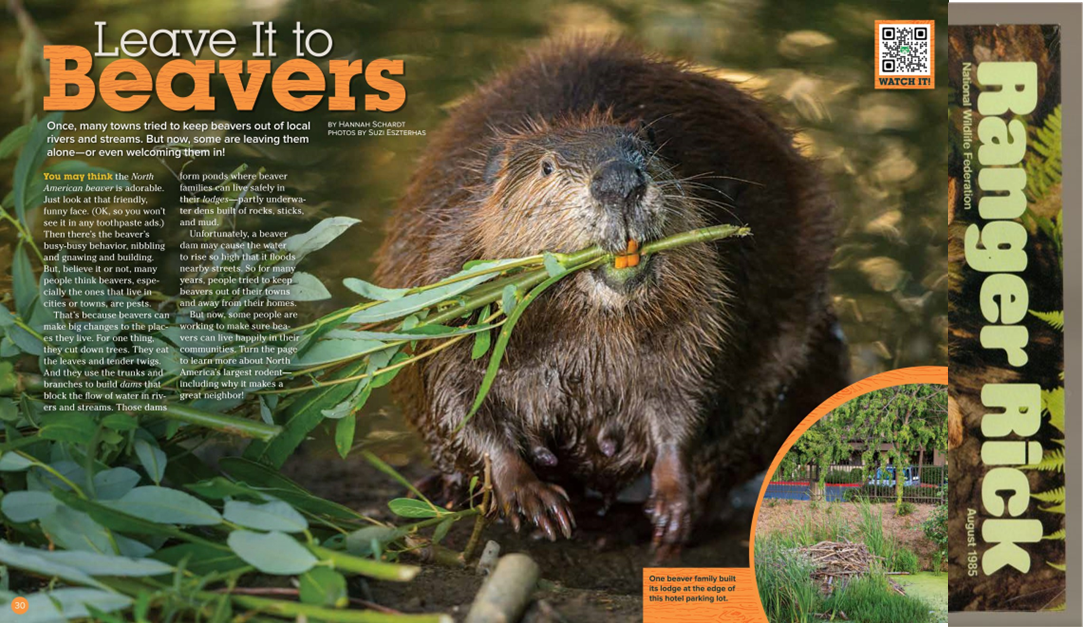
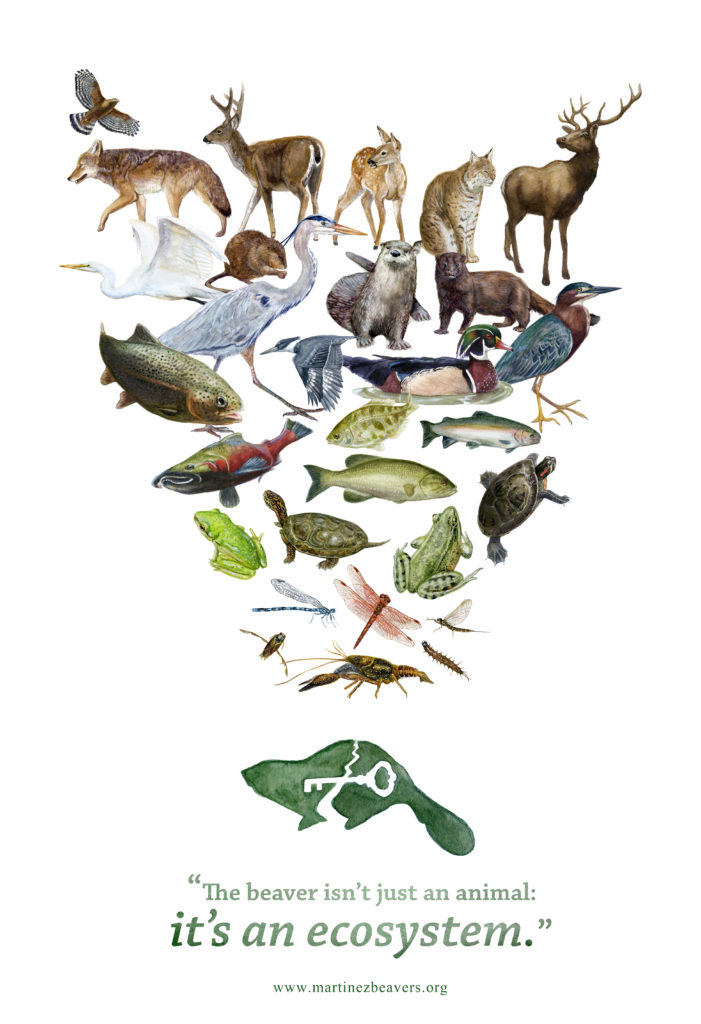
Beavers are famous for being ecosystem engineers, capable of transforming once-dry landscapes into lush, green wetlands that support many other land- and water-dwelling species. Now, two new studies suggest these benefits also extend to creatures who spend much of their time in the air.
The first, published in the Journal of Animal Ecology in September, finds that beaver-engineered ecosystems are a boon to bats, which seem to be drawn to these habitats by the abundance of roosting sites and tasty insects. The second, published in the Journal of Applied Ecology on November 12, explains how beaver-created wetlands lure pollinators like hoverflies and butterflies.
Both bats and pollinator insects face significant threats to their survival, including habitat loss, climate change, pesticides, pollution and disease. Together, the new findings suggest efforts to support and protect beavers might, in turn, help these vulnerable species, too.
I thought this entire Pollinator Posse thing would get their attention, but this is definitely a show stopper.
For the bat study, researchers visited a stream in Switzerland and identified eight areas with and without Eurasian beavers (Castor fiber). Then, they set up special audio recorders capable of capturing bat echolocation calls and recorded sounds at each site 16 times throughout the summer in 2022.
The researchers detected bat activity at the beaver sites 1.6 times more often than at beaver-free locations. Bats also hunted at beaver-inhabited areas more than twice as often as in regions without the semi-aquatic rodents, the data revealed.
Additionally, the sections with beavers tended to attract a wider variety of bats. On average, five species were identified at the spots with beavers per night, compared with four species, on average, at the beaver-less areas per night.
Scientists suspect that bats are drawn to the beaver ponds for several reasons. A big one is that the beaver-engineered ecosystems have more standing deadwood—dead trees that remain upright—which some bat species like to use for roosting. Standing deadwood also attracts bugs like beetles, gnats, flies and moths, which means beaver ponds are fertile foraging grounds for bats.
“The tree trunks remain standing for years and provide a very valuable, because [it’s] rare, habitat,” says study co-author Valentin Moser, an ecologist at the Swiss Federal Institute for Forest, Snow and Landscape Research WSL, in a statement.
The chewed flooded tree turns out to be important. Who knew?
For the pollinator study, a separate group of researchers compared numbers of certain insects at three beaver-created wetlands and three human-created ponds in eastern Scotland. After visiting each site six times from May to August 2023, the research team found that beaver habitats had 29 percent more hoverfly species, 119 percent more individual hoverflies and 45 percent more individual butterflies per visit than the man-made sites did. They found no difference for moths and bees or for diversity of butterfly species.
Researchers suspect that the hoverfly and butterfly differences can be explained by the types of plants growing at the sites. Because they are more dynamic, beaver ponds tend to have a lot of fast-growing plants that reproduce quickly and produce a lot of flowers, making the locations ideal for pollinators.
“This brilliant new research shows once again that beavers are vital to the agricultural landscape as well as to biodiversity in general,” Sophie Ramsay, manager for Bamff Wildland in Scotland, where some of the pollinator surveys occurred, says in another statement. Ramsay was not involved in either of the new studies.
Occasionally, landowners might need to remove beaver dams for valid reasons. But the evidence suggests they should try to leave them alone whenever possible, the researchers say. More broadly, they’re calling on the United Kingdom government to provide financial incentives to landowners who support beaver wetlands.
“For every beaver dam removed, a beaver wetland dies, along with a multitude of attached benefits, including for pollinators,” says Nigel Willby, a freshwater scientist at the University of Stirling in Scotland and co-author of the pollinator study, in a statement.





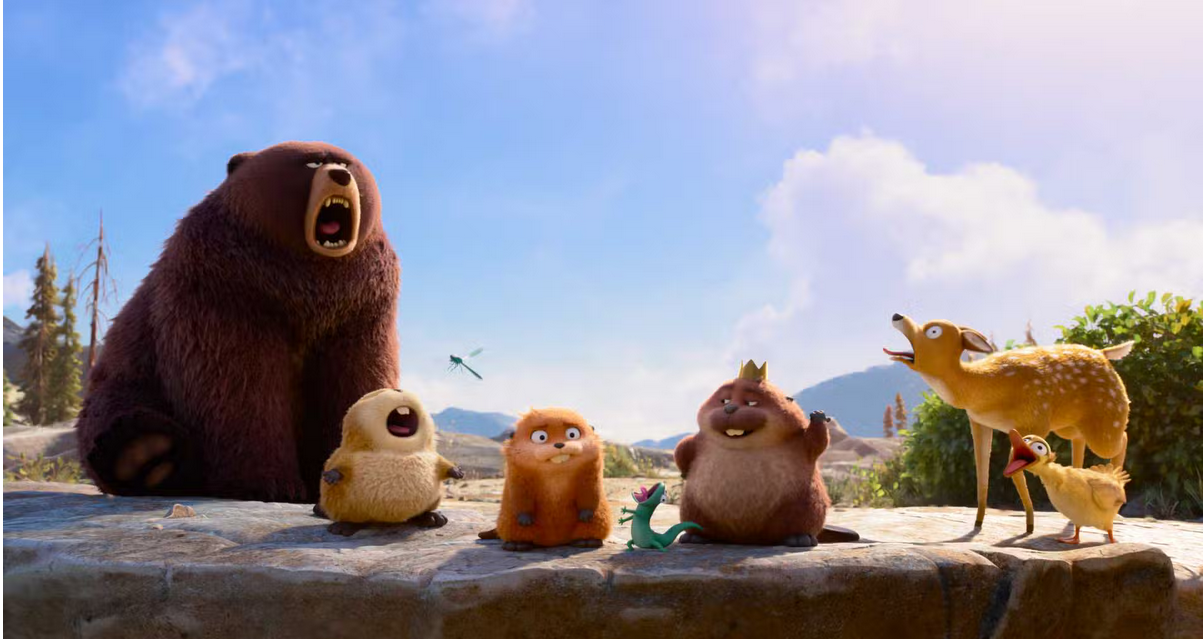
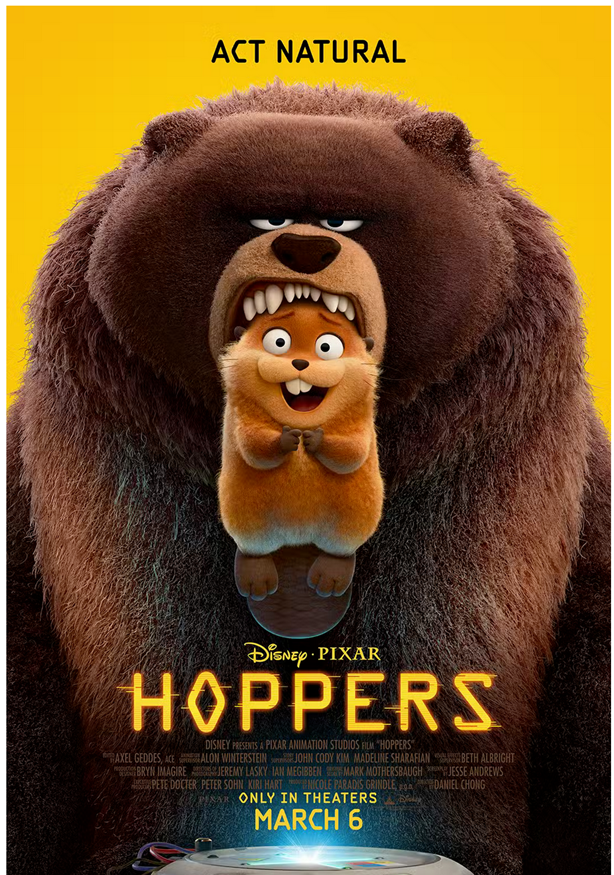 sney ● Pixar Hoppers Trailer and Poster Released. Hoppers, due in theaters on March 6th, 2026, today released the first official trailer. Oscar winner Meryl Streep, Dave Franco, Kathy Najimy, Eduardo Franco, Melissa Villaseñor, Ego Nwodim, Vanessa Bayer, Sam Richardson, and Aparna Nancherla, joining the previously announced Piper Curda, Bobby Moynihan, and Jon Hamm, to bring the hilarious and heartwarming world of “HOPPERS” to life.