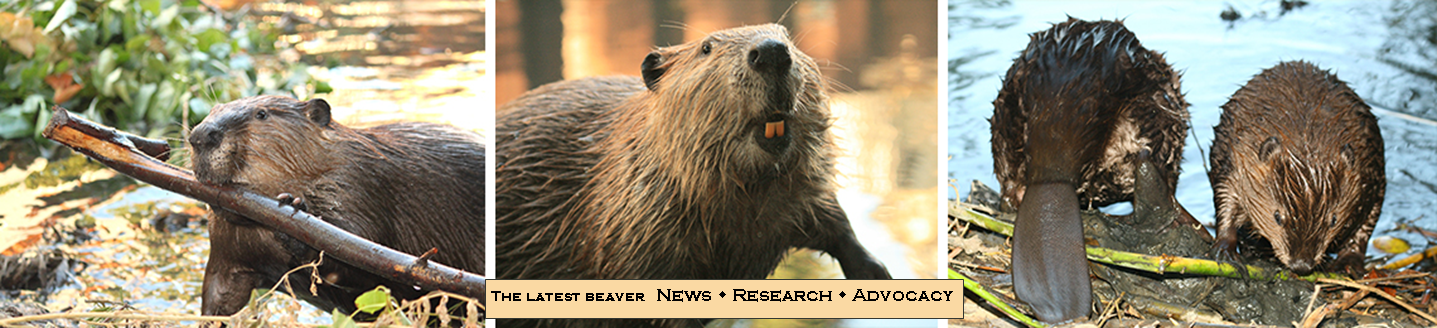
Because the beaver isn't just an animal; it's an ecosystem!

Author: heidi08

Heidi is a child psychologist who became an accidental beaver advocate when a family of beavers moved into the creek near her home. Now she lectures about beavers nationwide and maintains the website martinezbeavers.org/wordpress which provides resources to make this work easier for others to do.

This article made me happy at first but quickly lead to scoffs and growls of frustration, ending with howling outrage at the hubris of studying what beavers can do without, you know, actual beavers.

Can beavers help heal burn scars after wildfires? Researchers build their own dams to find out

High in the mountains west of Fort Collins, teams of scientists and engineers are pretending to be beavers.

They may not be swimming or chewing trees, but researchers with the U.S. Forest Service and Colorado State University are building fake beaver dams in burn scars to study how wetlands created by the dams impact ecosystem restoration and water quality after wildfires.

The research led by Tim Fegel is some of the first of its kind, he said. Scientists have studied how meadow and wetland restoration affects wildlife habitat, but there’s been little exploration of how wetlands created by beaver dams could change water quality post-wildfire, said Fegel, a biogeochemistry lab manager with the Forest Service who is leading the project.

If you don’t know, Fort Collins is the site of every kind of “wildlife is interfering so how can we stop it study” done by the USDA. You might remember years ago when acorn woodpeckers were annoying the cheaper units at Rossmoor it caused a stink and rather than being killed by APHIS they were shipped off to Fort Collinrs for “RESEARCH”.

Apparently now they are researching beaver dams. Not the ones beavers make, mind you. The ones scientists make.

Wildfires destabilize soils and make them less capable of absorbing rain and snowmelt, resulting in higher runoff and increased flood probability. High volumes of water, combined with a lack of vegetation roots to hold soil in place, mean that more sediment and debris travel downstream, impacting water quality and water treatment systems.

Five years ago, the Cameron Peak and East Troublesome wildfires ripped through Colorado’s northern mountains, charring more than 620 square miles across watersheds that provide water for hundreds of thousands of people who live along the Front Range.

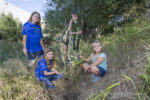
The team installed beaver-style dams across the Cache la Poudre and Willow Creek watersheds—both burned in the 2020 wildfires—to help slow water flow and instead spread the water over a floodplain. Engineers designed the dams, which are generally made of large logs hammered into the earth with branches and other material.

The installations vary in size and complexity. Some are relatively simple, spanning a narrow stream and created by a team with a chainsaw and a sledgehammer. Others required heavy machinery and consisted of dams across more than a mile of the south fork of the Cache la Poudre.

You know, different sizes and complexity, like the kind made by ACTUAL BEAVERS. But better because we make them ourselves with government money.

When obstructions slow down water, sediment in the water drops to the bottom of the channel instead of continuing downstream. Fegel is also researching how slowed water that spreads across a floodplain might keep more carbon and nitrogen higher up in the water supply, instead of pushing it downstream, where it can disrupt aquatic ecosystems or create algal blooms.

Are you F#$king kidding me? Couldn’t you just measure and test the water around existing beaver dams in burn scars? Maybe you should build the dams AND start the fires yourself. These things have to be carefully planned.

Some of the areas where Fegel is working used to be home to beavers. In one spot in the Cache la Poudre watershed, researchers believe a beaver has moved back into the area after they constructed the dam.

“The wetlands they create are promoting habitat for willows to grow, and those willows feed the beavers,” said Chuck Rhoades, a research biogeochemist with the Forest Service overseeing the project. “If you kickstart it by making these dams, then it may become better beaver habitat.”

But wild beavers are not beholden to engineers’ plans. They may build new structures elsewhere in the area. Researchers hope some of Colorado’s more than 60,000 beavers will continue to move back into the floodplains they create and plan to monitor where beavers decide to build their dams as part of the long-term research project.

Those rascally beavers think for themselves. We can’t have that mucking up the research grid. See this beaver created fire break is just crazy looking. Ours uses posts.

While early results indicate that the beaver dams improve water quality, the team is now also assessing whether their use is practical at scale, Rhoades said. Work on the ground after a fire needs to happen quickly—within the first few years—and designing and constructing dams can take time and be expensive.

“We may be having some positive effects, but we may not be changing the post-fire landscape that much, or have a big enough improvement in water quality to make it worthwhile,” Rhoades said.

The research will likely continue for years as the team monitors the change that occurs, Fegel and Rhoades said.

“As part of the valuable supply network for Denver and Front Range water utilities,” Rhoades said, “keeping an eye on these watersheds is going to be a long-term commitment.”

Well sure people have been writing for a hundred years that beavers clean water and all that research out of the university at Stirling says it cleans water and Ellen Wohl in our own frickin state has proven time and time again beaver dams clean water but do they REALLY?

We need to make some pretend dams to measure how much. And if actual beavers move in to muck things up? Well, we’re USDA we know how to deal with them.
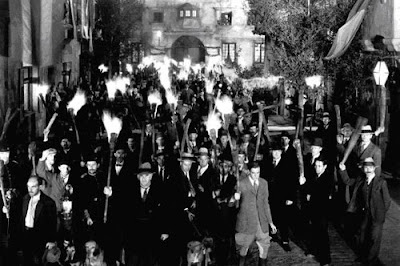
This article got my hackels up before I even read it. And then I understood why.

Reflections in Nature: The beaver helped settle North America through pelts

Doesn’t that sound SO generous and noble? Like that little beaver was just pointing to its own hide and saying “Hey take this! Make some money and a country! I’m just saving water and fighting fires here. Don’t worry about killing me and my family and all the salmon and the wood ducks. I’m sure it will work out FINE!

Beaver trapping season opened on Dec. 20 and will close on March 31, 2026. A trapper will be allowed to take up to 125 beavers if trapping in several wildlife units. They may use up to 20 traps and snares statewide. The regulations on trapping beaver have greatly increased in the past few years.

When I was working as a wildlife officer, a trapper was only allowed to tend ten traps and catch three beavers. The beaver or the pelt had to be tagged by an officer after the season closed. Beaver trappers were restricted because the population was low. The reason for the low population was because the price a trapper received for a beaver pelt was well worth the trapping. Then the price of beaver pelts fell drastically low; trappers stopped putting out traps and the beaver population exploded.

Today, a trapper can take 125 beaver, and the pelts do not have to be tagged by an officer.

The paper is based in PENNSYLVANIA where apparently you can kill up to 25 entire families of beaver without so much as a permit. Gee I hope they don’t have a drought or anything.


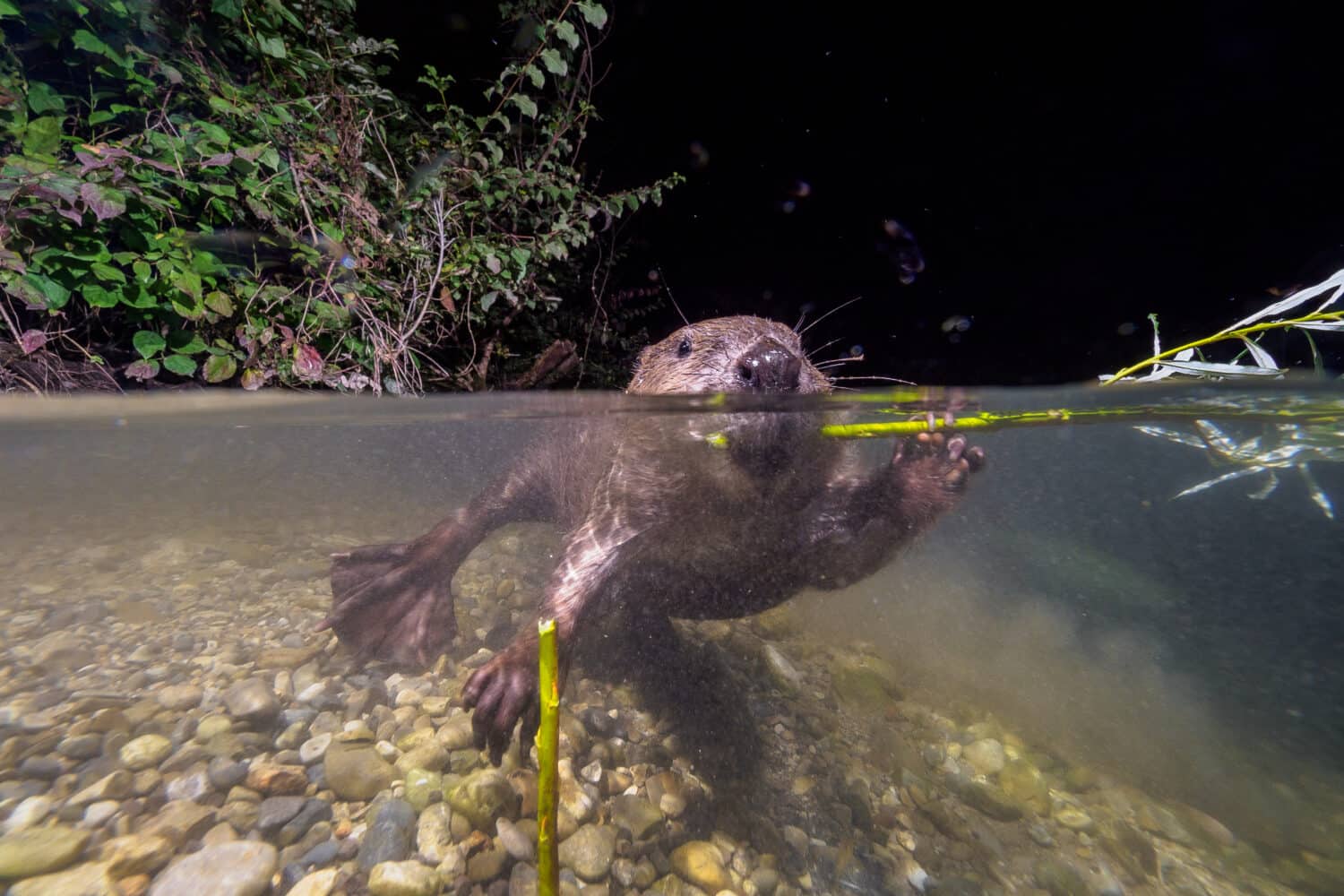
The article is nice too but I LOVE this photo with a fiery passion.

The Beaver State: Oregon’s State Animal Tells a Bigger Story

Oregon calls itself the Beaver State, a designation that reflects more than symbolism. Long before lawmakers made the beaver the official state animal, these animals shaped Oregon’s rivers, wetlands, and settlement patterns by building dams that slowed water and created fertile valleys. Trade in beaver pelts was an early foundation of the economy of the Pacific Northwest. Beavers appeared early on state coins, seals, and the flag, signaling how closely it was tied to Oregon’s identity. Naming the beaver as the state animal simply formalized a relationship that had already defined the region.

Honestly every state except Hawaii is probably shaped by beavers and beaver wetlands. Even Florida.

Beaver populations in Oregon began to recover during the twentieth century as fur demand dropped and trapping regulations took effect. Reforestation and improved land management restored suitable habitat, allowing beavers to return to many streams. Today, the species is widespread across the state and managed under state wildlife regulations, with protections that balance conservation and land use needs.

This recovery reflects a broader shift in how wildlife is valued. Where beavers were once seen mainly as commodities, they are now managed with attention to their ecological role. Oregon’s approach recognizes the species as part of functioning ecosystems rather than simply a resource to be harvested, aligning the state animal with modern conservation priorities.

When beavers count, you start counting beavers.

Beavers are often described as ecosystem engineers because their dams reshape water systems. By slowing streams, dams spread water across floodplains, reduce erosion, trap sediment, and raise local groundwater levels. The wetlands created by these structures support a wide range of plants and animals and help streams retain water during dry months. Eventually, beaver ponds can silt up and become meadows sustaining grazing animals like deer.

These effects have become increasingly important as Oregon faces drought, wildfire risk, and warmer temperatures. Beaver-created wetlands can slow fires, cool water, and sustain vegetation during extreme conditions. The same traits that once made the beaver valuable to the fur trade now support long-term watershed stability, reinforcing the relevance of the state animal in a changing climate.

Well to honest they were always important. It’s just that now there are a lot of things we’re messed up so much we can’t fix them. But fixing this is cheap and easy.

Beaver dams often benefit salmon and trout by creating calm nursery habitat for young fish. Ponds provide cover, moderate water temperatures, and offer refuge during floods. While fish passage concerns exist in some narrow channels, many restoration efforts now use beaver dam analogs to encourage natural processes while addressing movement needs.

Beavers also live in cities and suburbs across Oregon, including in parks and urban streams. Their presence can cause flooding or tree damage, but many communities now rely on nonlethal management tools such as flow devices and tree protection. Public education has helped shift attitudes from removal toward coexistence, making the state animal a familiar presence in some neighborhoods.

I love this part. I love that nowadays no beaver article is complete without a mention of urban beavers. HURRAY!

Oregon’s decision to name the beaver as its state mammal reflects a relationship shaped by geography, history, and shared survival. Long before official designations, beavers influenced where water flowed, where wetlands formed, and where people eventually settled. Their pelts fueled early trade, their image marked coins and flags, and their engineering quietly built the landscapes that supported farms, towns, and transportation routes.

Today, as Oregon faces drought, wildfire, and shifting climate conditions, the beaver’s ability to store water and support healthy ecosystems has taken on renewed importance. The state mammal is not just a symbol of the past, but a living reminder that Oregon’s natural systems and human communities have always been connected to the work of this industrious animal.

Beavers are the second chances, that everyone deserves.


That they’re basically a “BEAVER NEWS” page. In fact the only person that writes more about beaver news on the internet(s) is well. um. me.

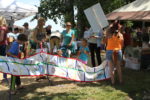
Page 6 – News on beavers

To read any of the above stories, click on the headline and go to the phys page 6 where each article is linked to the original.

BEAVER FESTIVAL XVII

DONATE

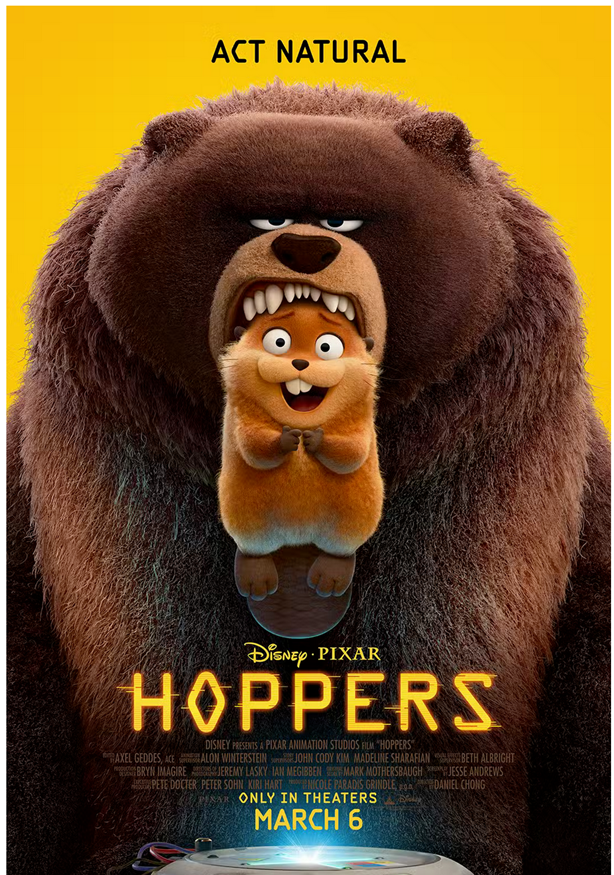
‘HOPPERS’ COUNTDOWN


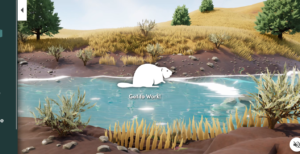
Beaver Interactive: Click to view

TREE PROTECTION

BAY AREA PODCAST

Our story told around the county

LASSIE INVENTS BDA

CONTACT US

URBAN BEAVERS

LASSIE AND BEAVERS

Ten Years

The Beaver Cheat Sheet

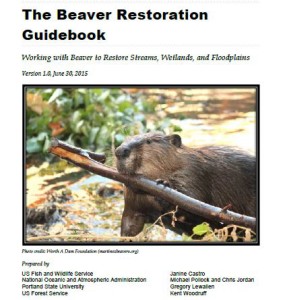
Restoration

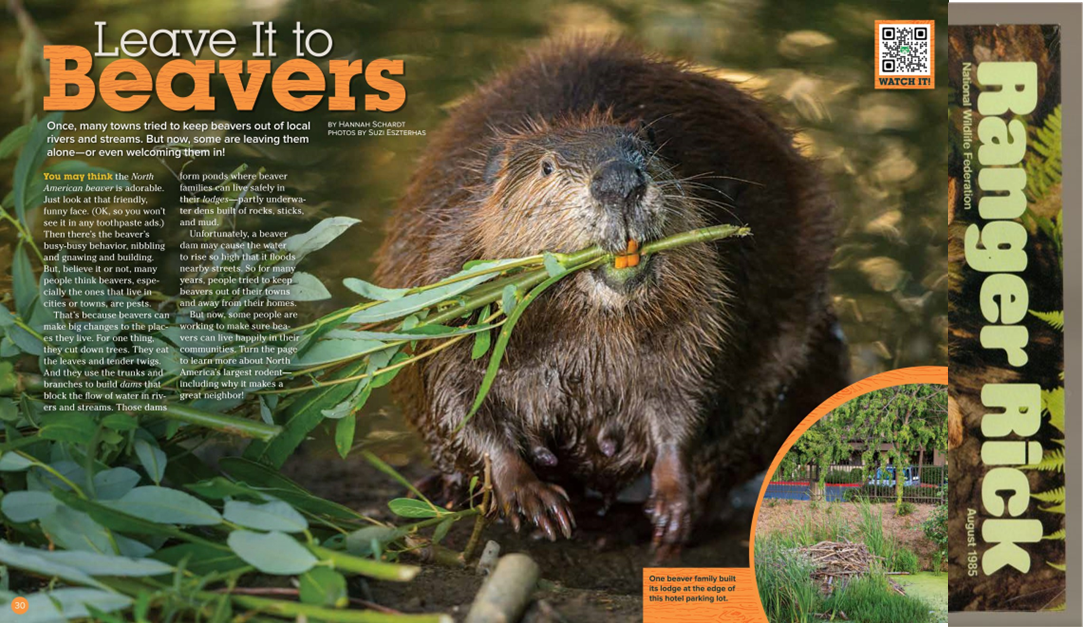
RANGER RICK

Ranger rick

The meeting that started it all

Past Reports

March 2026
M T W T F S S
 1
2345678
9101112131415
16171819202122
23242526272829
3031  

Story By Year

close

Share the beaver gospel!