




This was a surprise to see on Facebook. Published by “The lonely Camp”…
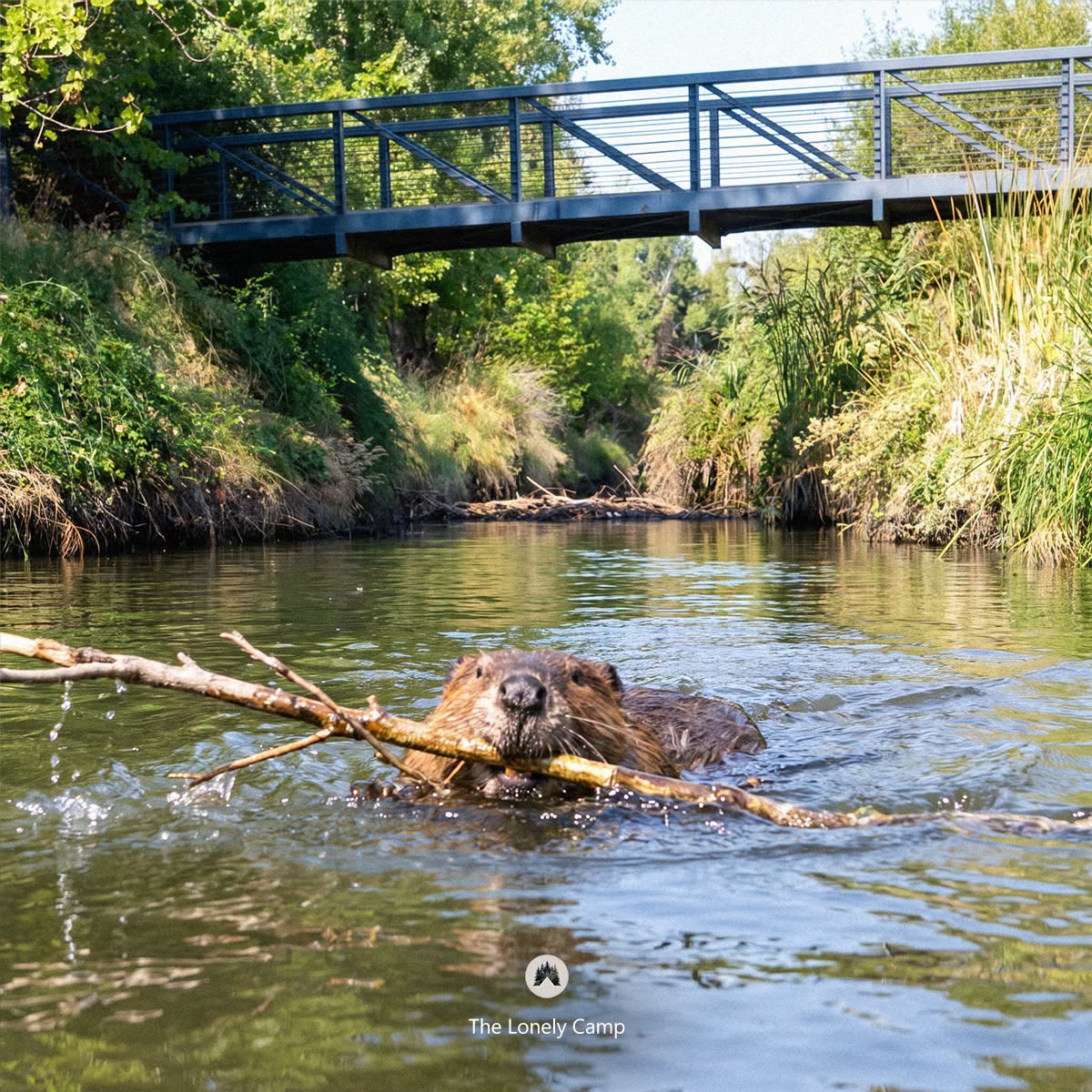
In the fall of 2006, a pair of North American beavers swam up Alhambra Creek straight into the historic downtown of Martinez, California. Within weeks, they felled streamside willows and built a 30-foot-wide dam right under the noses of local shopkeepers.
Beavers had not been seen in the watershed for decades. Just nine years earlier, Alhambra Creek had spilled over its banks during a storm, causing $28 million in flood damage across the downtown district. The city had responded by spending another $10 million on flood-control upgrades, planting thousands of dollars’ worth of willow and cottonwood saplings along the banks. To city engineers, the new beaver dam was a blockage waiting to back up winter storm runoff, and the rodents were eating the municipal landscaping.
By November 2007, the city secured a depredation permit from the California Department of Fish and Game. Because state regulations barred relocating nuisance beavers into other territories, the city’s only legal removal option was killing them. Officials announced plans to trap and euthanize the animals and tear out the dam.
The town pushed back immediately. Hundreds of residents showed up to pack a five-hour emergency City Council meeting, held candlelight vigils on the creek bank, and formed a local advocacy group called Worth A Dam, led by Heidi Perryman. Faced with public outrage, the council paused the traps and agreed to try an engineering fix first.
In late November 2007, the city flew in Skip Lisle, a wildlife biologist from Vermont who invented a flow-control system called the Beaver Deceiver. The setup cost about $5,000, paid for through a mix of municipal funds and private donations. Lisle installed a 40-foot plastic pipe directly through the base of the dam, guarding the upstream intake with a heavy wire-mesh cage.
Beavers are hardwired to plug leaks using two specific cues: the sound of trickling water and the physical pull of a current against the dam face. By placing the caged intake several feet upstream on the pond floor, the pipe drained excess water silently without creating a detectable current at the dam wall. The beavers stopped trying to plug it, and the city gained full control over the pond’s high-water mark.
Once the pond stabilized, the downtown creek transformed into a fertile wetland. In 2008, threatened steelhead trout and North American river otters returned to Alhambra Creek, followed by an American mink in 2009. Between 2006 and 2014, at least 22 beavers lived in the downtown corridor as the original pair raised multiple litters of kits.
The original breeding female died in June 2010 after developing a bacterial infection from a broken incisor tooth. In March 2011, heavy winter rains sent a wall of water down the canyon that washed out the lodge and all four dams, though another female moved into the creek later that year. Even with an annual Beaver Festival drawing thousands of visitors to town, friction with city hall never completely faded. In 2011, city officials still ordered a hired muralist to paint over a small beaver he had included on a downtown public wall.
Image is for illustration purposes only.
Source: California Department of Fish and Wildlife / City of Martinez / Worth A Dam / Heidi Perryman / Skip Lisle / Contra Costa Times / San Francisco Chronicle / Martinez Gazette.
I guess some stories are just made for the telling. Nice photo but I’m pretty sure AI because of the angle and those white whiskers. What will we read about ourselves tomorrow?
Who knows?