
A while back about I heard about this technique being tried in Minnesota. I was told that it was recommended by the Western Beaver Alliance. Okay, but I’m not sure I believe it can work. Let’s see for ourselves closer to home.
3. Beavers at Bald Hill
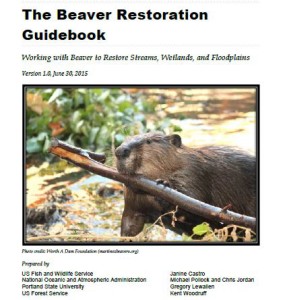
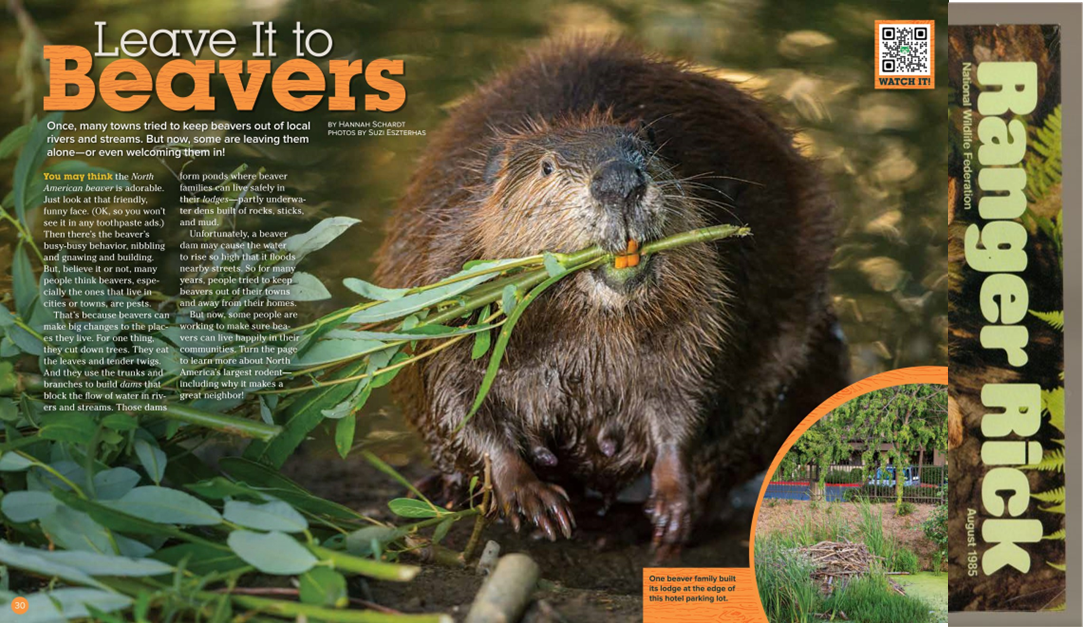
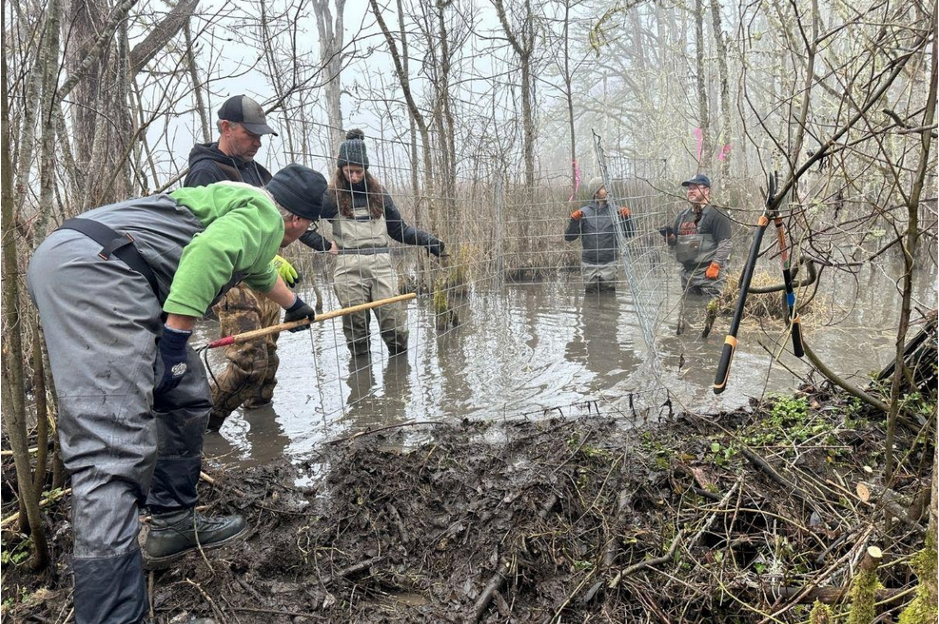 Nature’s engineers have been hard at work at Bald Hill Farm, but their dam-building efforts have flooded one of Corvallis’s most accessible recreational paths.
The solution? Oregon’s first notch exclusion fence, installed by Greenbelt Land Trust in partnership with the city of Corvallis, Marys River Watershed Council and the National Oceanic and Atmospheric Administration.
The innovative approach aims to balance beaver activity with public access to the Bald Hill paved path. While the industrious rodents have been creating valuable habitat for turtles, dragonflies, amphibians and birds, their handiwork has made the trail impassable.
Well okay your hearts in the right place and it sounds good on paper, but why would beavers stick around anywhere they can’t fix a permanent leak in their dam? Technically a flow device IS just that, but they can’t SEE it. Plus when the rains and the leak continues won’t it just get worse and worse until they have to leave?
Pregnant and homeless?
According to an article distributed by Greenbelt Land Trust, the exclusion fence works by covering a strategic notch cut into the beaver dam. Made from basic fence panels, posts and wire, the structure lowers water levels without completely dismantling the beavers’ work. The design takes advantage of beaver behavior — the animals are triggered by the sound of flowing water and typically attempt to repair leaks they can hear.
Installation required the team to wade into the pond carrying the assembled fence, then secure it with metal posts driven into the bottom. A floor panel prevents beavers from tunneling underneath, while the fence extends beyond the notch to block access from below the dam. Fish can still pass through the ponds freely.
The big question is whether the beavers will accept this compromise. While they won’t climb over the barrier, they’re known to construct mud walls around obstacles, the Greenbelt article noted.
Greenbelt Land Trust is inviting the public to watch this experiment unfold. A drop-in event on Jan. 31 from 4-6 p.m. offers a chance to see the fence and possibly spot beavers at work. A guided walk on Feb. 11 from 10 a.m.-noon will explore the beaver ponds from another vantage point.
Let’s say that I was building a house to keep my family safe and some big agency came in and installed a fence so I could NEVER build the roof. My family was welcome to stay as long as I liked in the house but open to the elements and I could never ever build the roof and stop the snow or the rain from getting in.
Would I stay?