
Month: November 2025
My favorite kind of community-driven urban restoration, this time in South Carolina. Enjoy this special sunday read and don’t forget to celebrate the 18th anniversary of that big Martinez meeting.
How friends in South Carolina are restoring a wetland and bringing their neighborhood together
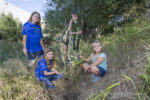
 CHARLESTON, S.C. (AP) — As the October night deepened and her bedtime approached, Joel Caldwell’s 4-year-old daughter huddled with her dad, dangling a stick she pretended was a fishing pole over a creek that has become Caldwell’s passion project for nearly the entirety of his daughter’s life.
“I want my children to grow up with a relationship to the natural world,” said Caldwell. “But we live in a neighborhood, so how do you do that?”
The answer Caldwell and two of his friends came to was improving the creek that snakes into their section of Charleston — preserving its tidal flow, expanding its reach and rewilding its edges. This wetland is a transition zone where the land meets the bigger river. Their work here is small in scale and local, but it is tangible and has built a community at a time when it has gotten easier to destroy such places.
Now just what does this piece remind me of? Hmmm…I just can’t quite remember.
With fewer wetlands there are fewer fish, fewer plants, fewer insects and birds, dirtier water and less protection against floods. That flooding is a special concern in hurricane-prone Charleston. Storm threats are compounded further by sea rise, which is being driven by climate change. The trio’s restoration work fits into a growing public appreciation over the last 10 to 15 years for how wetlands help absorb floodwater.
“We can be paralyzed by the bad news that we are fed every day, or we can work within our local communities and engage with people and actually do things,” Caldwell said.
Amid isolation, restoration project was founded
Caldwell has traveled the world as a freelance photographer. Then the COVID-19 virus hit right around the time his wife gave birth to their first daughter. From that stuck-in-place isolation, he and two friends, who were also having their first children at the time, founded The Marsh Appreciation and Restoration Society for Happiness Project, or The MARSH Project.
Halsey Creek is mere blocks from Caldwell’s house. The tidal salt marsh extends a few thousand feet from the Ashley River, one of three rivers that meet at Charleston, flowing between blocks of single-family homes many squeezed on one-tenth-of-an-acre lots.
You are doing a fantastic job for this marsh and doing it in just the right way. I did want to mention one potential guest you probably haven’t planned for. A keystone species that actually thrives in estuaries and will add necessary touches to your restoration.
But it will eat some of the native plants so I’m guessing won’t be popular at first.
Wetlands viewed as an impediment to progress
Americans historically viewed wetlands like these as impediments to progress, better drained, filled and built on than saved. As a result, there’s far less of them and their decline has accelerated in recent years, according to a 2024 U.S. Fish and Wildlife Service report. Plus, two years ago, the Supreme Court, in Sackett v Environmental Protection Agency, weakened modern Clean Water Act wetlands protections, a rollback the Trump administration is likely to expand upon.
“It is going to be even harder to protect those wetlands that are left because the best tool we had to protect those wetlands, the federal Clean Water Act, is really being gutted,” said Mark Sabath, an attorney with the nonprofit Southern Environmental Law Center.
The wetlands around Charleston support oyster beds that filter water and cling to long, wooden piers that stretch over shallow water and into the Ashley River. Kingfishers and egrets fly between the cordgrass. It’s a humid, sticky place during blazing summers in the South. A vein of the river becomes Halsey Creek, shooting into the Wagner Terrace neighborhood, a suburban area north of Charleston’s historic downtown.
Taking care of wetlands is a BIG job. You need lots of helpers. You know what’s a really great helper for wetlands is that uninvited guest I mentioned before. Maybe you should invite him.
Scott believes wetlands and wildlife could improve the neighborhood. For part of its length, the creek meanders and absorbs the tide, but a bisecting street constrains flow to its back half. Here it struggles to turn and expand. Nearby blocks flood easily into a suburban lake that can rise to a tall man’s waist. He wants to install better drains and a tidal gate to help the marsh absorb millions of additional gallons of that floodwater.
Wetlands absorb hurricane water, And sustain wildlife. Do any of the neighbors need more convincing?
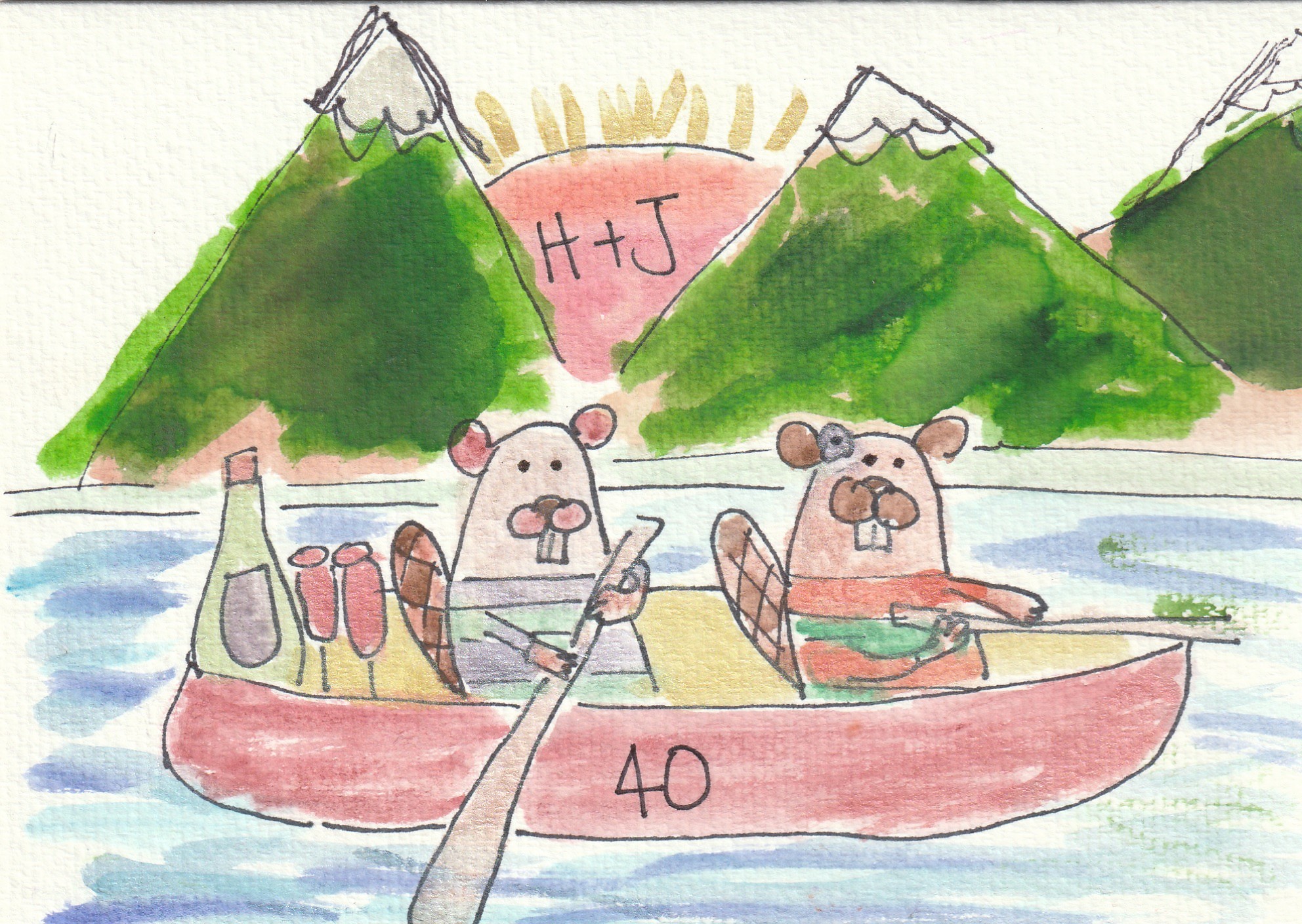
Oh and happy 40 years to this nice couple who found them selves working for wetlands too.
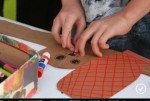
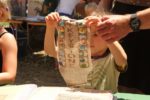
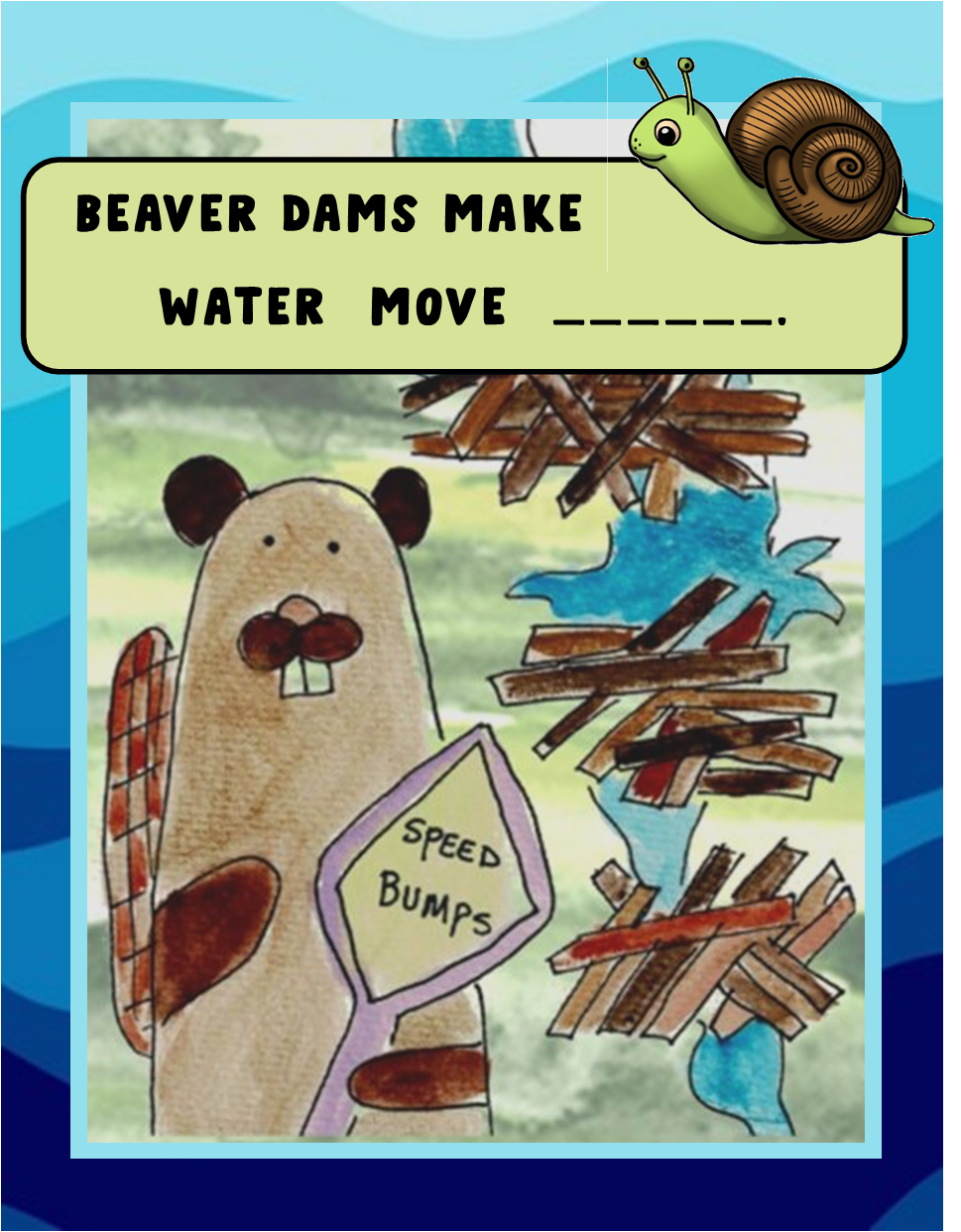
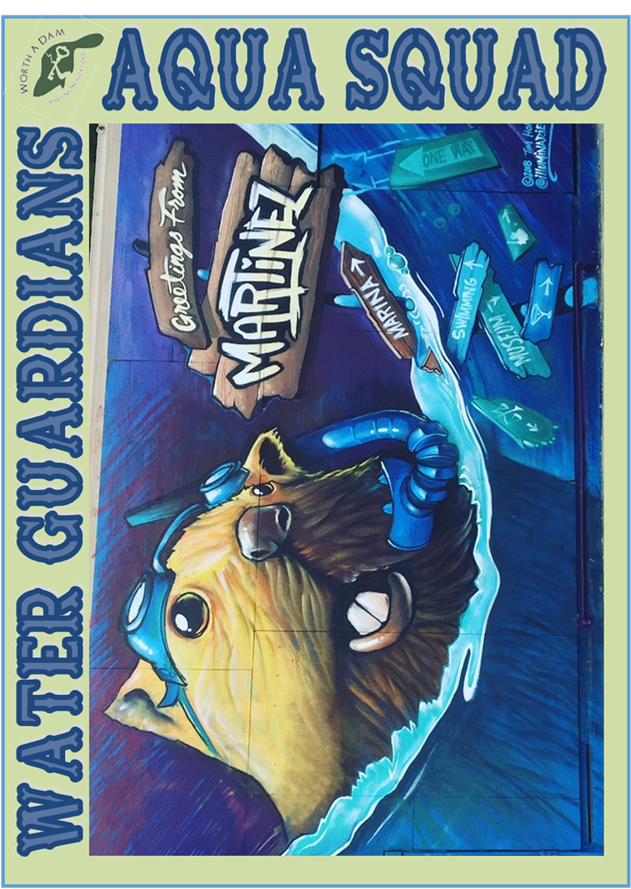
This summer’s activity for kids will focus on the ways beavers and their dams can help water. Here’s the first clue front and back.
NOVEMBER 12th 7:30 via zoom
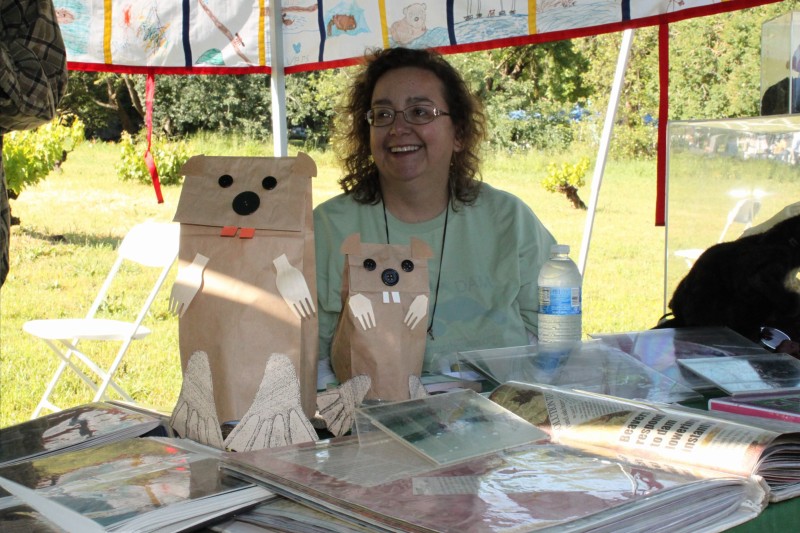
Heidi Perryman is a child psychologist who became an accidental beaver advocate when a family of beavers moved into Martinez, California, in 2007. She served on the beaver subcommittee for the city and started the nonprofit Worth A Dam to advocate for their ongoing presence. Now the group helps other cities learn to coexist with this valuable keystone species.
Heidi’s talk will address the history of beavers in California as well as the ecological impact of their near loss and ongoing recovery. Beavers coevolved with native plants and when allowed create and sustain ideal conditions for them to flourish. Using lessons learned firsthand in Martinez, Heidi will outline how and why beaver recovery is essential to creek health and biodiversity, as well as tools used to manage their more challenging behaviors. Her pragmatic and engaging talk is illustrated with dynamic photos of the famed Martinez Beavers, which have become some of the best-known beavers in the world.
As a woman who has spent 10 years of her life watching beavers up close and personal. I very much doubt that this is what she says it is. How about you?
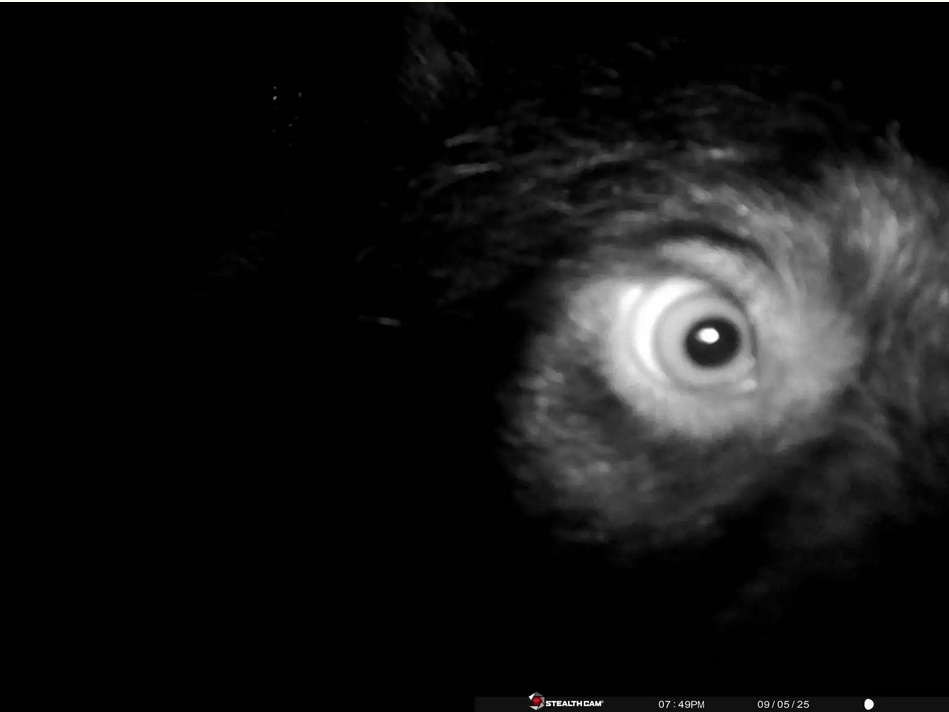
 Woman Sees Beaver Eyeing Her Trail Camera — Then Everything Goes Black
When Diane moved from a big city to the little town of Field in Ontario, Canada, she wasn’t sure how to coexist with the wildlife that was suddenly all around her. That’s how she got into trail cameras.
“I had to make a choice: stay in the house afraid of all the wildlife … or just go outside and be brave,” Diane, owner of the Facebook page Adventurous Diane, told The Dodo. “It took about 3 years, but I am no longer afraid. I have 16 trail cameras spread over 30 miles and hike the bush alone all the time. It is a true honour and privilege to venture into wilderness that has not been disturbed.”
;
I’m sorry but have you asked Dylan from paper delivery or Maria from night watch? I have literally NEVER seen a beaver with that much white in their eyes or such well rounded irises. Maybe a bear or a cocker spaniel. But I very much doubt it’s a beaver. Plus beavers have terrible vision, if they wanted to check things out closer they would SNIFF it more deeply. Never peer into it.
Diane monitors the footage from her various trail cameras and loves seeing who pops up to say hello. Bears, deer, wolves, raccoons, lynx, otters, geese, squirrels and various birds have all made appearances. One of her cameras is set up near an abandoned pond that was in total disrepair, and recently a beaver showed up and decided to move back in.
Beavers build dams to protect themselves from predators and do so by chopping down trees with their large front teeth. Chipping away at the bark and eventually getting the trees to fall can take some time, but this beaver was up for the challenge.
Dams protect beavers from predators? What? Either you are talking about LODGES and do not know the difference or you think dams are like medieval city walls and keep the predators far away.
Either way I’m suddenly having a new thought about why this website is called the Dodo.
As the beaver worked hard to do some home improvement work on the disheveled pond, he soon turned his attention to the tree where Diane’s camera happened to be — and decided it had to go.
“When the beaver starts to cut down the tree, it is bumping my camera, making it go side to side,” Diane said. “This goes on for two full days, resulting in about 300 pictures of the movement, until finally the tree falls down.”
Apparently the beaver then chopped down the tree the camera was mounted on. Which Diane thinks is hilarious. I mean who would expect that right?
I guess beaver big eye had it in for her.
BEAVER FESTIVAL XVII

DONATE

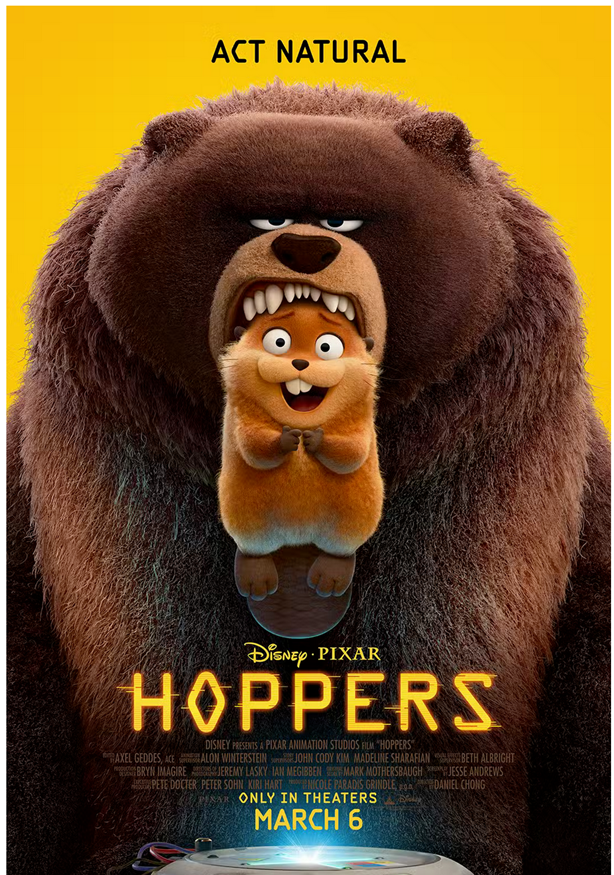
‘HOPPERS’ COUNTDOWN
Beaver Interactive: Click to view
TREE PROTECTION

BAY AREA PODCAST

LASSIE INVENTS BDA

CONTACT US

URBAN BEAVERS

LASSIE AND BEAVERS

Ten Years
The Beaver Cheat Sheet

Restoration
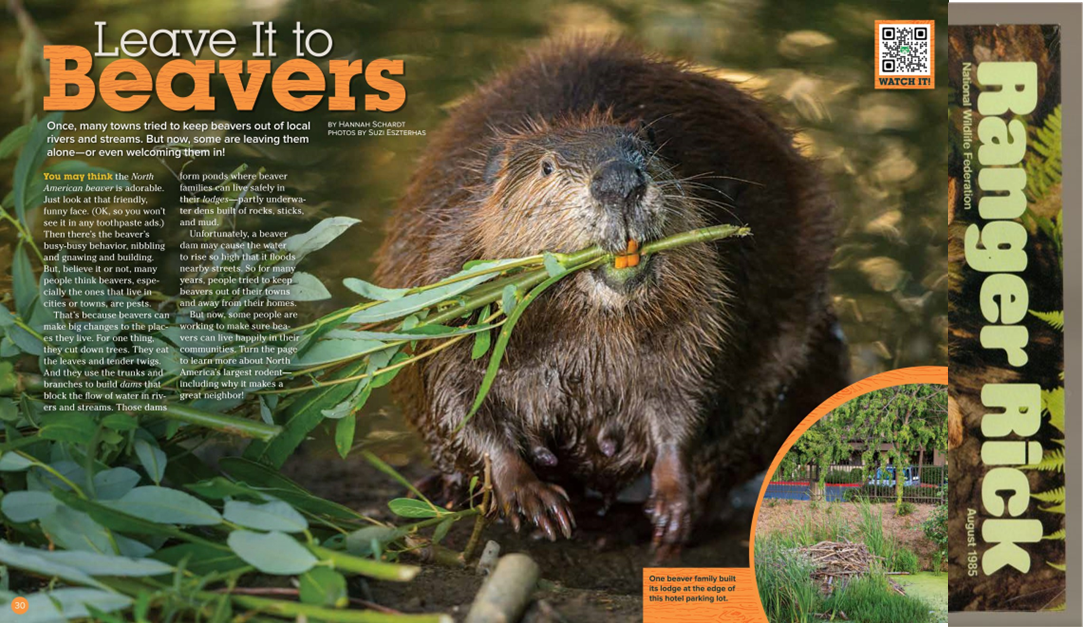
RANGER RICK
Educate & Engage