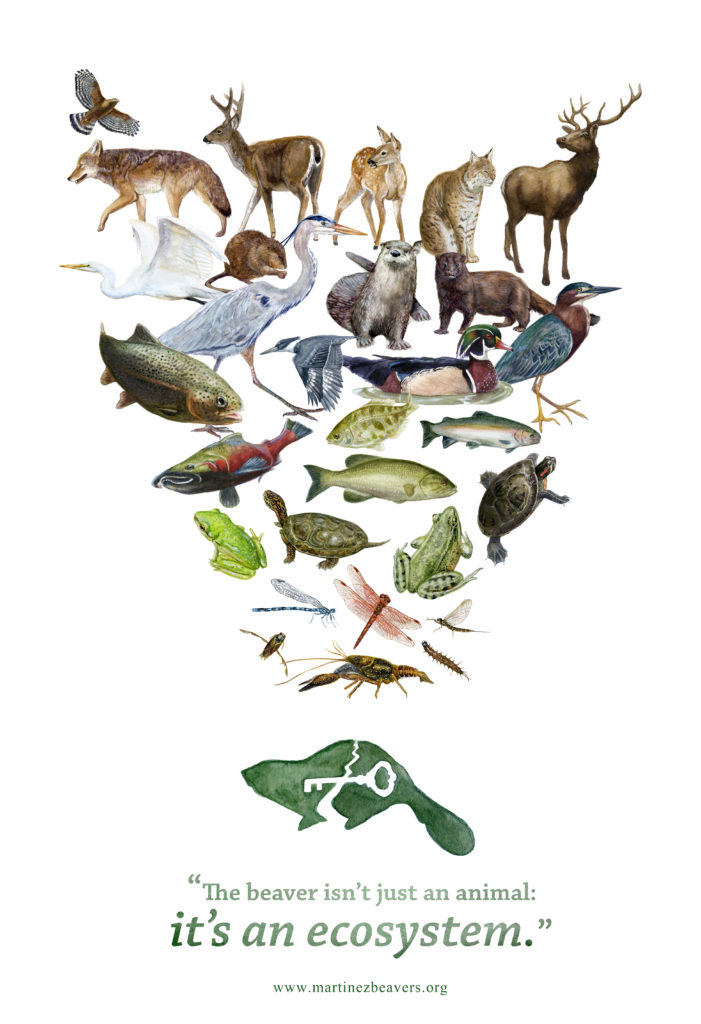
Because the beaver isn't just an animal; it's an ecosystem!

Month: November 2025


Watching the video it is clear that Canada got the part of the memo that said beavers are actually GOOD but not the part that explained the simple things they could be doing to coexist with them. That’s a shame. Too bad they don’t have wire fencing in Canada,

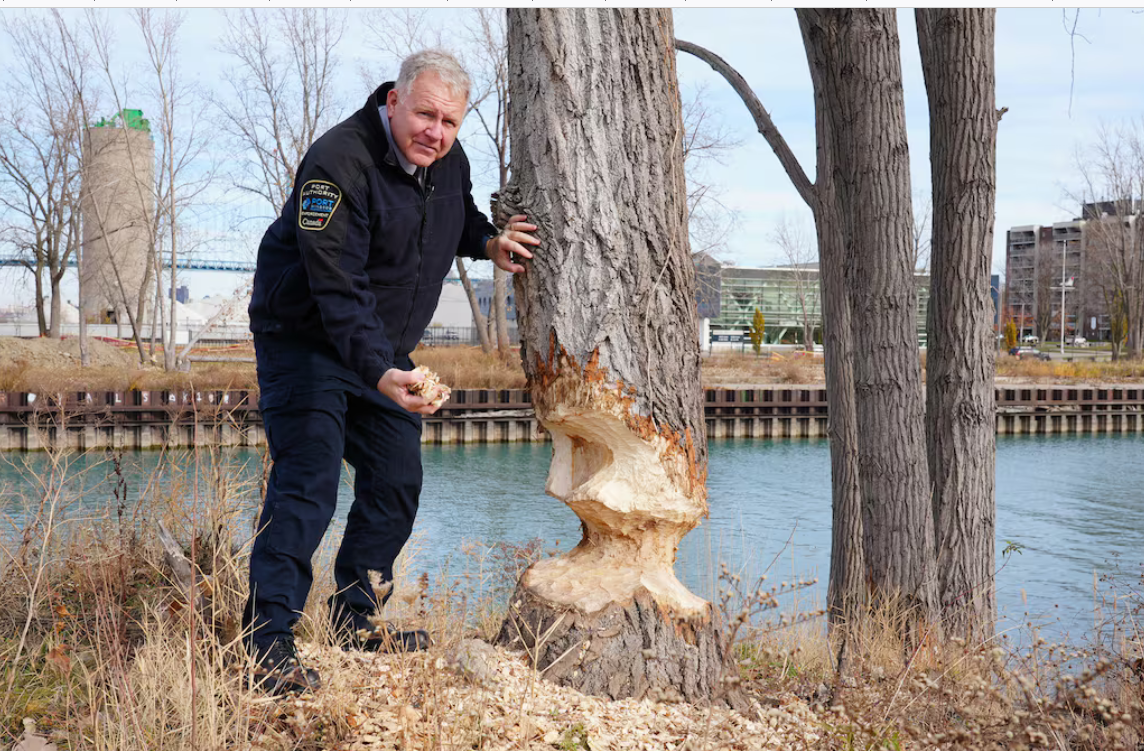
Trees log heavy damage due to beaver comeback

Beavers are sign that the health of the Detroit River is improving, but in one area of Sandwich Town they’re also bringing problems. CBC’s Mike Evans went down to check it out.


The headline of this article interested me but I soon realized it had a very little piece of information it was phrasing over and over to pad out its argument. I’m still curious about the question. If a beaver lives in a fifty foot deep lake does it get mud from the floor for its lodge? What about a 150 ft deep lake? Do beavers ever get the bends? Do their eardrums pop from pressure?

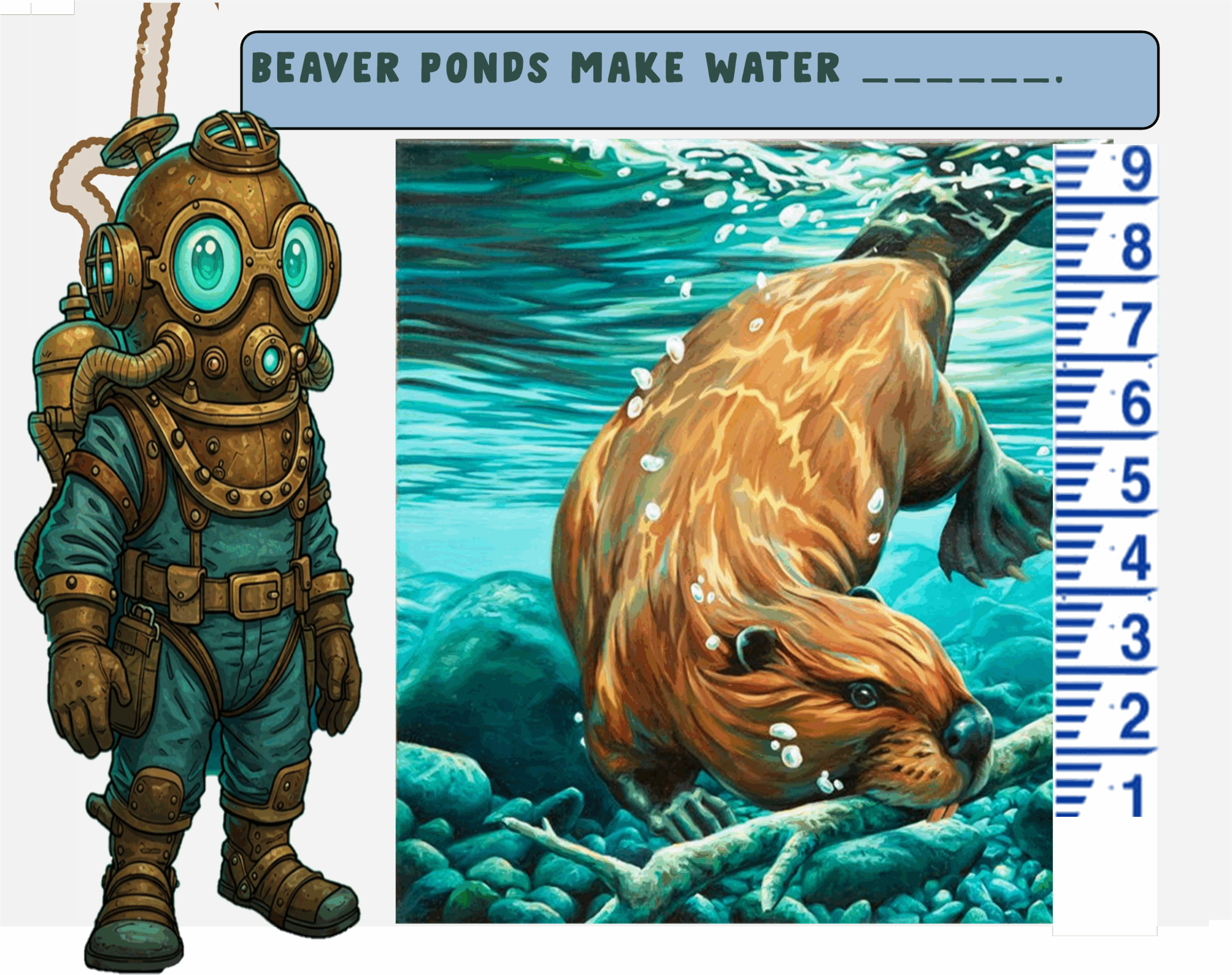
How Deep Can Beavers Really Dive?

You can expect beavers to dive about 5 to 8 meters deep, using their ability to hold their breath underwater for up to 15 minutes. Their heart rate slows and blood flow prioritizes crucial organs, allowing efficient oxygen use during dives. These adaptations help beavers forage underwater and evade predators. While not the deepest divers among mammals, their underwater skills are indispensable for their survival and ecological role. Exploring their diving behavior reveals further fascinating details.

Although beavers aren’t marine mammals, they’ve developed impressive diving capabilities that support their semi-aquatic lifestyle.

You should know that beavers hold their breath underwater for up to 15 minutes, which enhances their diving ability considerably. This skill lets them avoid predators and spend extended periods foraging beneath the water’s surface.

Their strong swimming skills, reaching speeds up to five miles per hour, further improve their underwater efficiency.

Physiological Adaptations for Underwater Survival

While beavers can hold their breath for up to 15 minutes underwater, this ability is supported by several key physiological adaptations that enable their survival during extended dives.

When you observe a diving beaver, its heart rate slows, conserving oxygen for crucial organs like the brain and heart. Blood flow redirects to these areas, ensuring essential functions continue underwater.

Additionally, beavers have a transparent third eyelid that protects their eyes while allowing clear vision. Their muscles contain high levels of myoglobin, which store oxygen efficiently.

Together, these physiological adaptations optimize breath use and enhance underwater survival.

Comparison With Other Diving Mammals

Because beavers can hold their breath underwater for up to 15 minutes, they demonstrate a notable ability compared to many animals.

However, this capacity is relatively limited when you examine other diving mammals. Species like elephant seals can hold their breath for up to two hours, and whales and otters also exhibit remarkable breath-holding.

These differences stem from physiological adaptations, including higher myoglobin levels, which support oxygen storage during extended dives.

Such adaptations allow diving mammals to thrive in aquatic environments more efficiently than beavers, highlighting the variety of strategies animals use to survive underwater.

Did I mention beavers can hold their breath for 15 minutes? Here I as wondering about the pressure of the water and their eardrums popping and apparently if you just say the same fact over and over again that’s all you really need to get published.

Beavers use their ability to hold their breath underwater for up to 15 minutes to access food sources and avoid threats. When they dive, they gather vegetation like aspen and willow, crucial for building dams.

These dams create wetland habitats that support diverse species and improve water quality. By altering water flow, beavers help sustain aquatic ecosystems and stabilize stream banks.

Their diving behavior plays a key role in maintaining healthy habitats, promoting biodiversity, and enhancing climate resilience. Understanding how beavers dive reveals their significant ecological impact on ecosystem balance and environmental health.

The fine key questions summary really was the icing on the cake:

How Deep Can Beavers Dive?

You’ll find beavers dive about 10 to 15 feet deep using impressive diving techniques. Their aquatic adaptations and beaver swimming skills boost underwater abilities, letting you appreciate how they explore habitats for food and building materials efficiently.


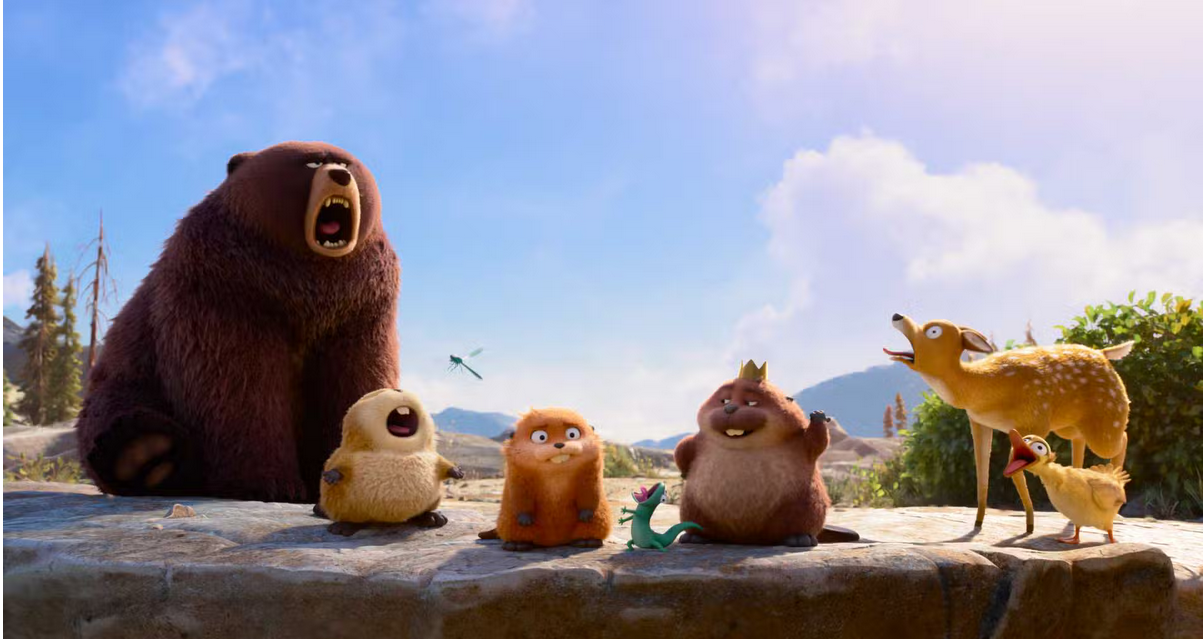
Movie time just got a little more exciting when a trailer dropped this week showing more of Pixar’s beaver magic. It now includes the voices of Meryl Streep and John Hamm.

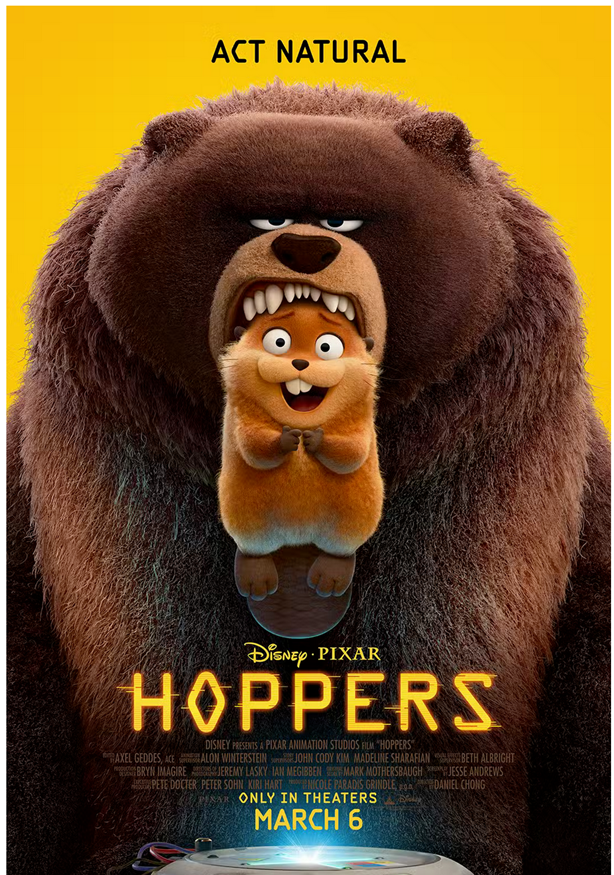
Disney ● Pixar Hoppers Trailer and Poster Released


Disney ● Pixar Hoppers Trailer and Poster Released. Hoppers, due in theaters on March 6th, 2026, today released the first official trailer. Oscar winner Meryl Streep, Dave Franco, Kathy Najimy, Eduardo Franco, Melissa Villaseñor, Ego Nwodim, Vanessa Bayer, Sam Richardson, and Aparna Nancherla, joining the previously announced Piper Curda, Bobby Moynihan, and Jon Hamm, to bring the hilarious and heartwarming world of “HOPPERS” to life.

The trailer provides a closer look at the animated comedy adventure, whi

ch introduces Mabel, an animal lover who seizes an opportunity to use a new technology to ‘hop’ her consciousness into a life-like robotic beaver and communicate directly with animals. Using the technology, Mabel uncovers mysteries within the animal world that are beyond anything she could have imagined.

“Hoppers” features the voice of Bobby Moynihan as King George, an undeniably optimistic, kind, and larger-than-life beaver who is the leader of the pond and king of the mammals. Jon Hamm voices Mayor Jerry, a politician running for reelection in Beaverton. Under his shiny, perfectly coiffed hair and matching public persona, Jerry is losing his cool over the one thing he can’t control: Mabel.

“Hoppers” is directed by Daniel Chong (“We Bare Bears”), produced by Nicole Paradis Grindle (“Incredibles 2”), and features an original score by composer Mark Mothersbaugh (“Thor: Ragnarok”). The film opens exclusively in theaters on March 6, 2026.


And then they made it into the Smithsonian…

Beavers are Dam Good for Biodiversity, Bringing Bats, Butterflies and Other Critters to Their Neighborhoods

Beavers are famous for being ecosystem engineers, capable of transforming once-dry landscapes into lush, green wetlands that support many other land- and water-dwelling species. Now, two new studies suggest these benefits also extend to creatures who spend much of their time in the air.


The first, published in the Journal of Animal Ecology in September, finds that beaver-engineered ecosystems are a boon to bats, which seem to be drawn to these habitats by the abundance of roosting sites and tasty insects. The second, published in the Journal of Applied Ecology on November 12, explains how beaver-created wetlands lure pollinators like hoverflies and butterflies.

Both bats and pollinator insects face significant threats to their survival, including habitat loss, climate change, pesticides, pollution and disease. Together, the new findings suggest efforts to support and protect beavers might, in turn, help these vulnerable species, too.

I thought this entire Pollinator Posse thing would get their attention, but this is definitely a show stopper.

For the bat study, researchers visited a stream in Switzerland and identified eight areas with and without Eurasian beavers (Castor fiber). Then, they set up special audio recorders capable of capturing bat echolocation calls and recorded sounds at each site 16 times throughout the summer in 2022.

The researchers detected bat activity at the beaver sites 1.6 times more often than at beaver-free locations. Bats also hunted at beaver-inhabited areas more than twice as often as in regions without the semi-aquatic rodents, the data revealed.

Additionally, the sections with beavers tended to attract a wider variety of bats. On average, five species were identified at the spots with beavers per night, compared with four species, on average, at the beaver-less areas per night.

Scientists suspect that bats are drawn to the beaver ponds for several reasons. A big one is that the beaver-engineered ecosystems have more standing deadwood—dead trees that remain upright—which some bat species like to use for roosting. Standing deadwood also attracts bugs like beetles, gnats, flies and moths, which means beaver ponds are fertile foraging grounds for bats.

“The tree trunks remain standing for years and provide a very valuable, because [it’s] rare, habitat,” says study co-author Valentin Moser, an ecologist at the Swiss Federal Institute for Forest, Snow and Landscape Research WSL, in a statement.

The chewed flooded tree turns out to be important. Who knew?

For the pollinator study, a separate group of researchers compared numbers of certain insects at three beaver-created wetlands and three human-created ponds in eastern Scotland. After visiting each site six times from May to August 2023, the research team found that beaver habitats had 29 percent more hoverfly species, 119 percent more individual hoverflies and 45 percent more individual butterflies per visit than the man-made sites did. They found no difference for moths and bees or for diversity of butterfly species.

Researchers suspect that the hoverfly and butterfly differences can be explained by the types of plants growing at the sites. Because they are more dynamic, beaver ponds tend to have a lot of fast-growing plants that reproduce quickly and produce a lot of flowers, making the locations ideal for pollinators.

“This brilliant new research shows once again that beavers are vital to the agricultural landscape as well as to biodiversity in general,” Sophie Ramsay, manager for Bamff Wildland in Scotland, where some of the pollinator surveys occurred, says in another statement. Ramsay was not involved in either of the new studies.

Occasionally, landowners might need to remove beaver dams for valid reasons. But the evidence suggests they should try to leave them alone whenever possible, the researchers say. More broadly, they’re calling on the United Kingdom government to provide financial incentives to landowners who support beaver wetlands.

“For every beaver dam removed, a beaver wetland dies, along with a multitude of attached benefits, including for pollinators,” says Nigel Willby, a freshwater scientist at the University of Stirling in Scotland and co-author of the pollinator study, in a statement.

BEAVER FESTIVAL XVII

DONATE

‘HOPPERS’ COUNTDOWN


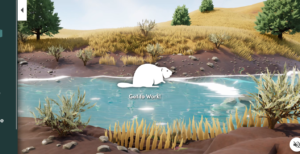
Beaver Interactive: Click to view

TREE PROTECTION

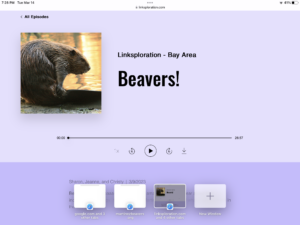
BAY AREA PODCAST

Our story told around the county

LASSIE INVENTS BDA

CONTACT US

URBAN BEAVERS

LASSIE AND BEAVERS

Ten Years

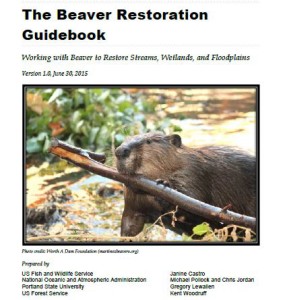
The Beaver Cheat Sheet

Restoration

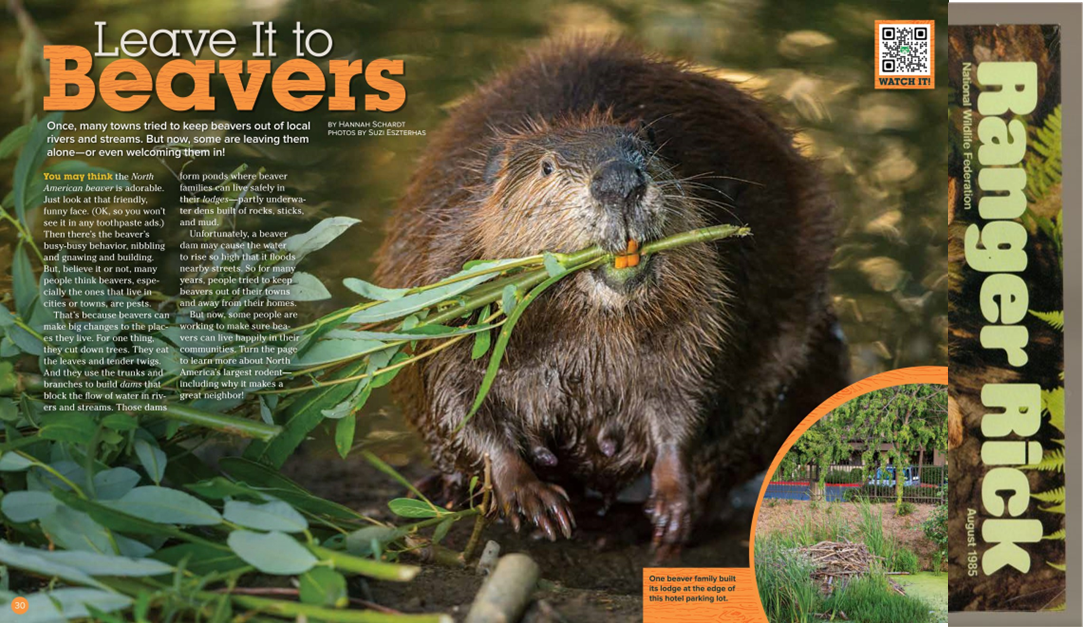
RANGER RICK

Ranger rick

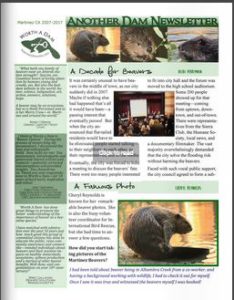
The meeting that started it all

Past Reports

Story By Year

close

Share the beaver gospel!