
We like very much that Torrey Ritter’s hard work educating people about the benefits of beavers on the landscape is sinking in but we are getting even more nervous about all the haphazard beaver relocation going on in the world. California cannot be the only state with a 60% success rate And there are a lot more bears and things that enjoy a nice beaver snack in Montana.
Are Beavers Montana’s Latest Transplants?
 Across North America, beavers are having a moment. While the continent’s largest rodent has long been vilified as a nuisance and its pelts marketed as a luxury, the aquatic mammal’s ecological benefits have become undeniable. Now, conservationists, ranchers and wildlife agencies are looking to beavers to solve some of the most pressing environmental issues, such as drought, wildfire risk and fisheries health.
In the Treasure State, the Department of Fish, Wildlife and Parks is proposing the Montana Beaver Transplant Program, which would allow managers to trap unwanted beavers and relocate them to appropriate habitat, a policy that is currently legal but rarely used due to a cumbersome permitting process.
“FWP wants to have all the tools in the toolbelt available to do beaver restoration and deal with conflicts,” said Torrey Ritter, FWP nongame wildlife biologist. “And part of that picture that’s mostly missing right now is the transplants.”
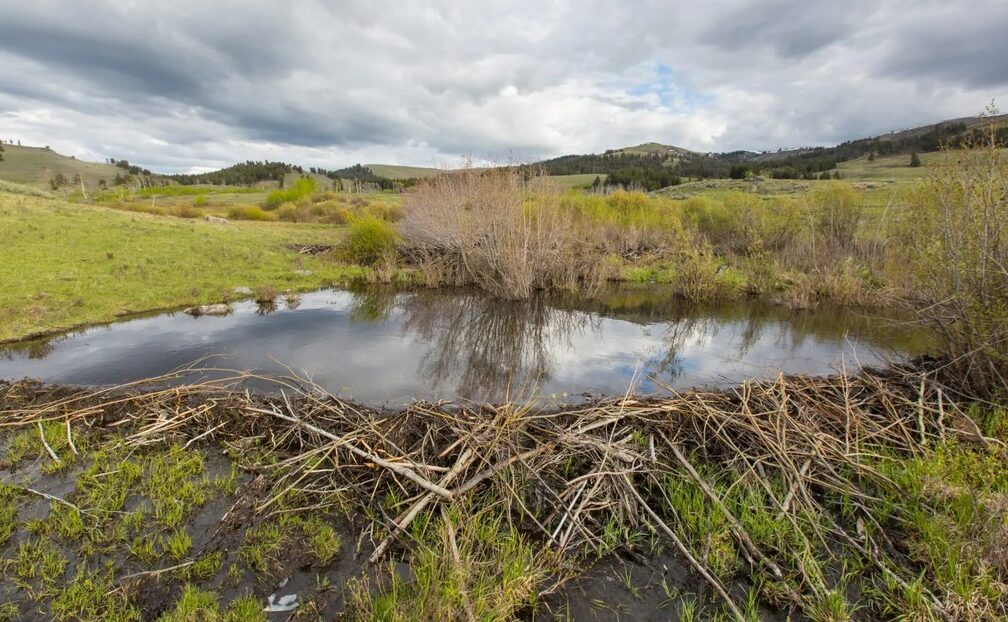 Transplantation would reduce the lethal removal of beavers, leaving them on the landscape — albeit in a new location — to continue in their roles as ecosystem engineers. Their dams store water, increase biodiversity while improving floodplain connectivity and wetland function. However, a beaver’s evolutionary imperative to dam can interfere with the human-built environment.
Just a minor inconvenience really. Being moved far away and expected to start over before you are eaten. I guess they have better odds than with the conibear. That’s true.
“The broader goal is to take beavers from areas where they’re causing problems for people or imperiled fish species, and put them in places of their historical range where they can bring about the benefits that we want,” Ritter added.
Imperiled fish species? Not sure which kind of fish is imperiled by water exactly but okay, sure.
Pedro Marques, executive director for the Big Hole Watershed Committee, welcomes this development. “We see Montana going in the direction of being able to take nuisance beavers out of places where they’re causing headaches and putting them in locations where they can be helpful as a no-brainer strategy for the state to adopt,” Marques told Mountain Journal.

Well sure. But you know all those beavers that found their way into beaver-attracting habitat in the wrong places, they were cleaning and storing that water too, and impacting surrounding biodiversity..
And just because you move beaver it doesn’t mean the places you move them from stop attracting more beaver.
Now that the draft environmental assessment has been released, FWP is accepting public comment on the proposal until 5 p.m. on October 27. Officials will review comments and present the final proposal to the Fish and Wildlife Commission, which will ultimately decide if and how the program is implemented.
Here’s my public comment. Moving beavers is complicated. Do it right. It’s not a band-aid that any mom can put on. It’s more like a MASH unit surgery in the field. It sometimes works when you have smart people involved that know what they are doing.
 As Lake Powell recedes, beavers are building back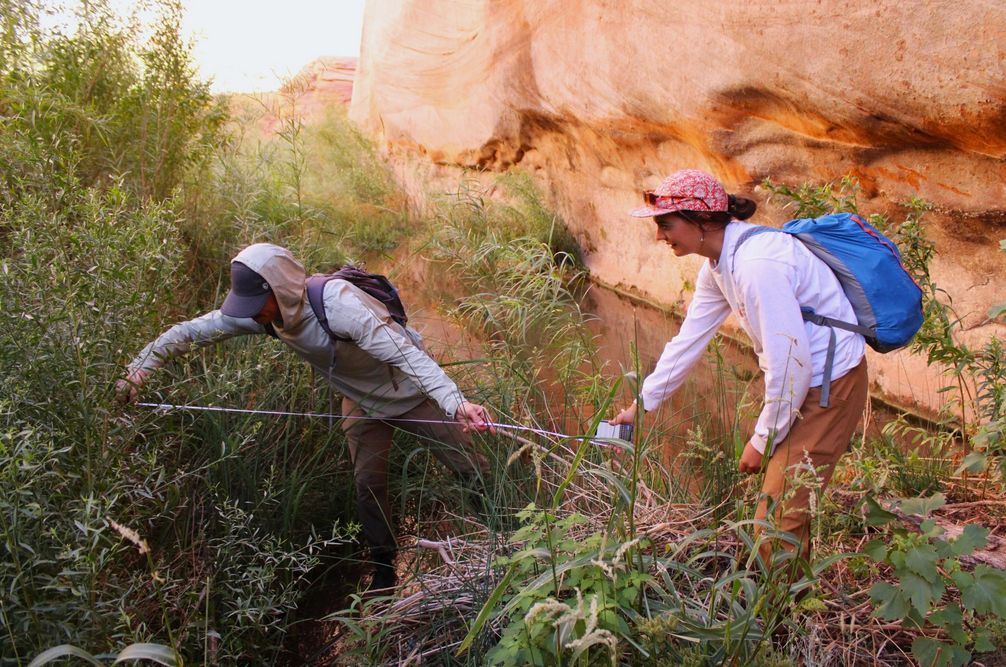


 On October 30, Friends of the Salmon River hosts Michael Runtz, who will present: Wetlands – Oases of Life, with a Focus on Beavers. Michael Runtz is one of Canada’s most highly respected naturalists, nature photographers, and natural history authors.