
I’m so old I remember when Ian was the only one.
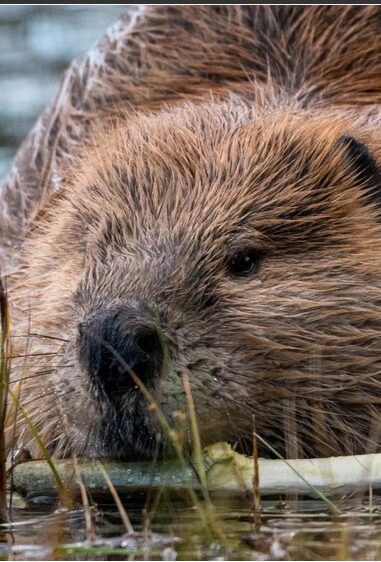 Who are you calling a nuisance? Conservationists work with, not against, nature’s greatest engineers
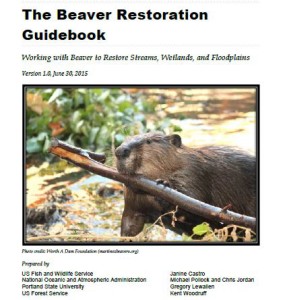
A growing coalition of conservation and advocacy groups across the country are working to shift the narrative surrounding beavers.
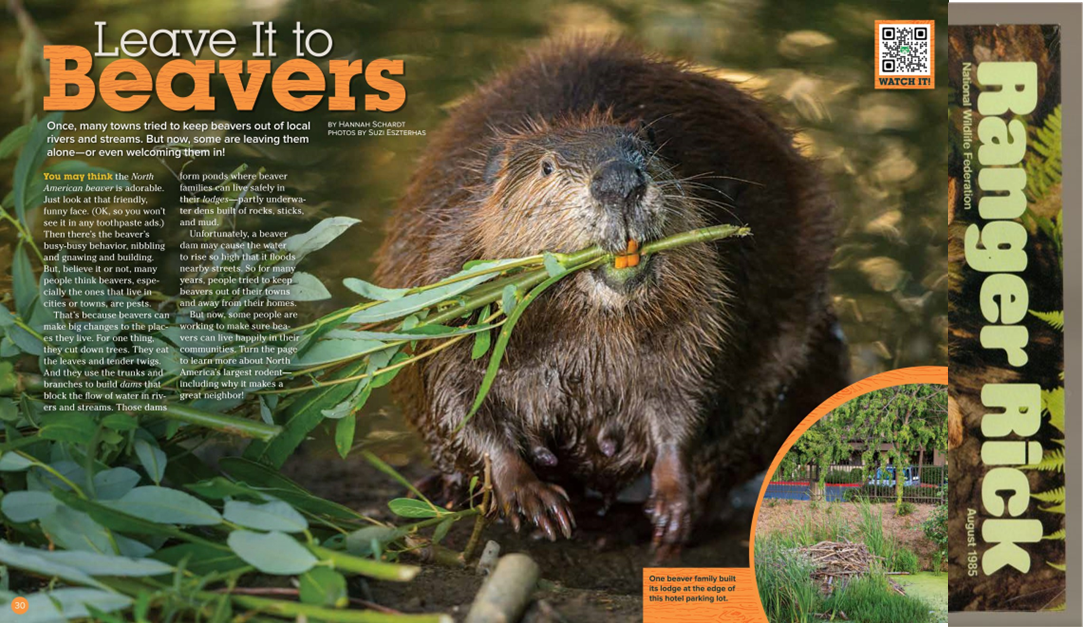
Historically, the animals have been considered nuisance wildlife. Their primary diet consists of tree bark, twigs, roots, and aquatic plants – and gathering those food stores can lead to damaged trees for landowners. The semi-aquatic mammals also use woody materials and large trees to dam waterways.
While that creates ecologically beneficial wetlands, landowners and farmers often report flooded roadways and agricultural fields when beavers are present. Until recently, standard practice has been to trap and relocate beavers when they’re found on private property.
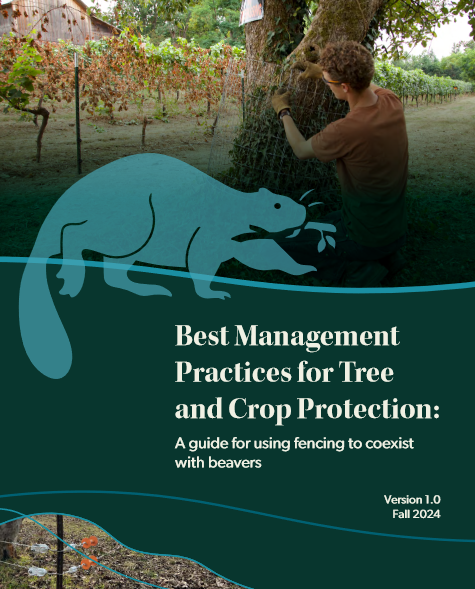
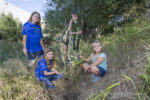
Now, a volunteer group at Bernheim Forest and Arboretum, as well as national groups like the Southeast Beaver Alliance and the Beaver Institute are working to show the long-term benefits of coexisting with the animals rather than relocating them.
The Beaver Brigade