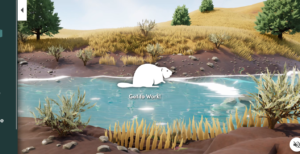
Awesome new film from the Beaver Trust in England.
And we’re what, surprised by that?
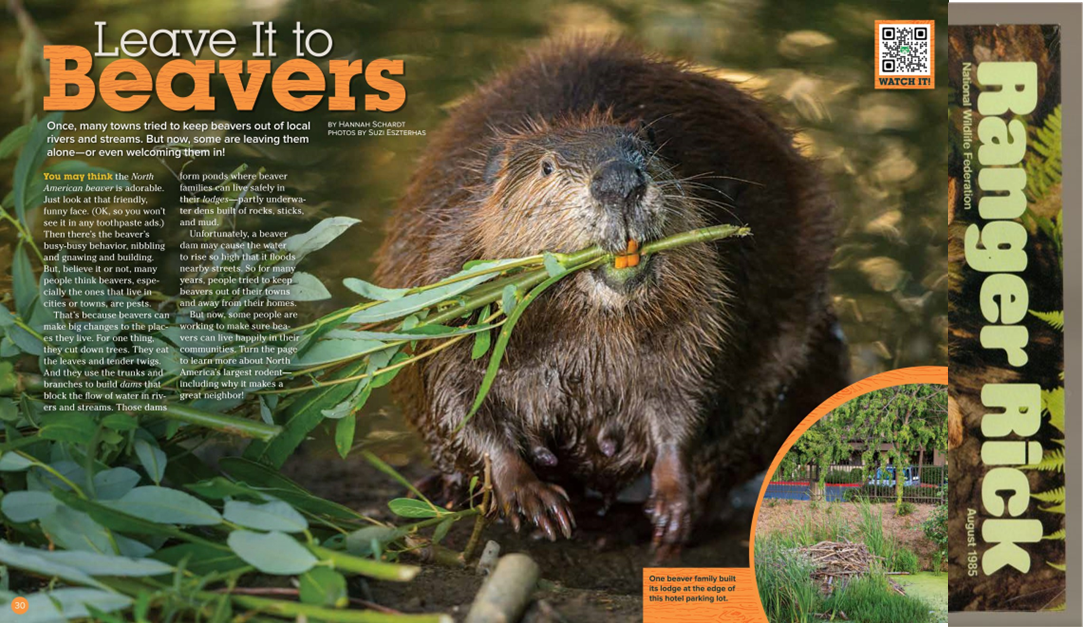
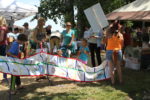
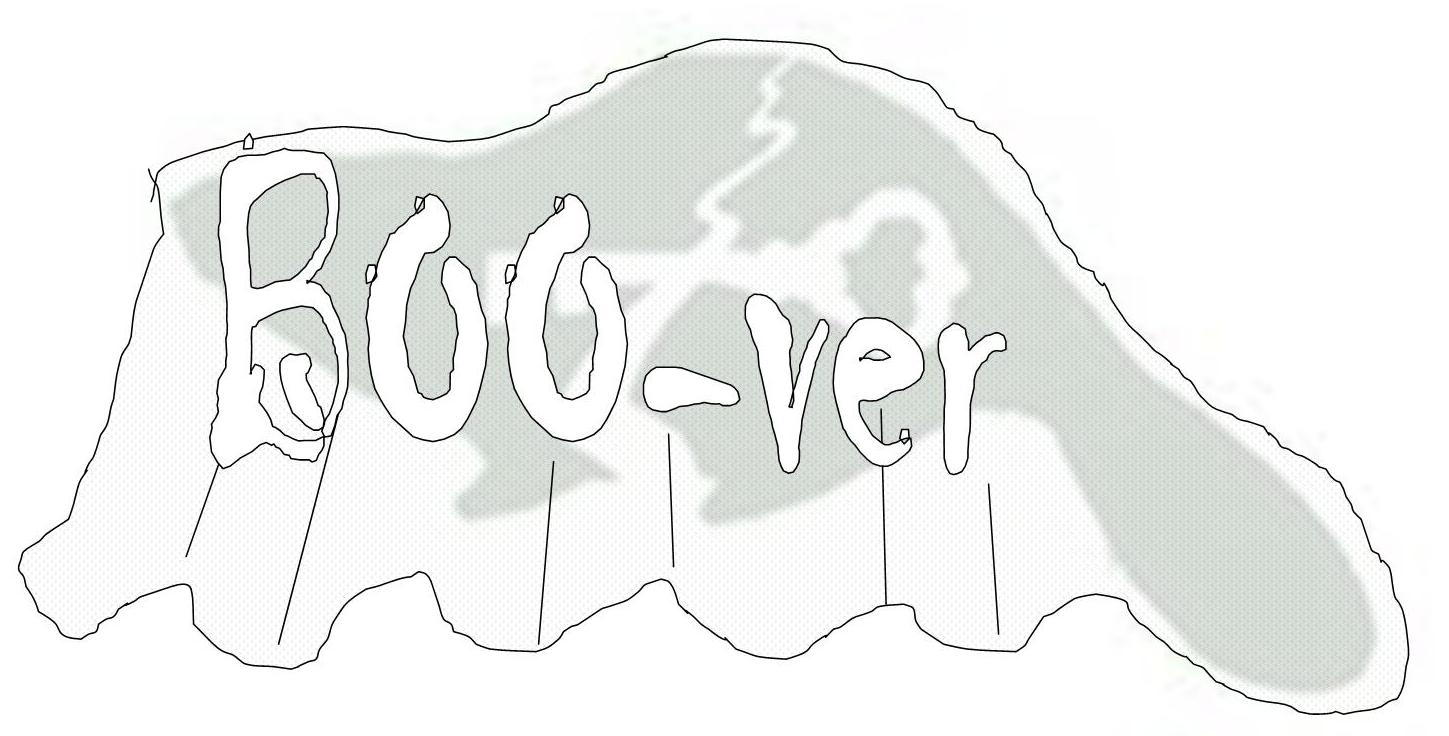
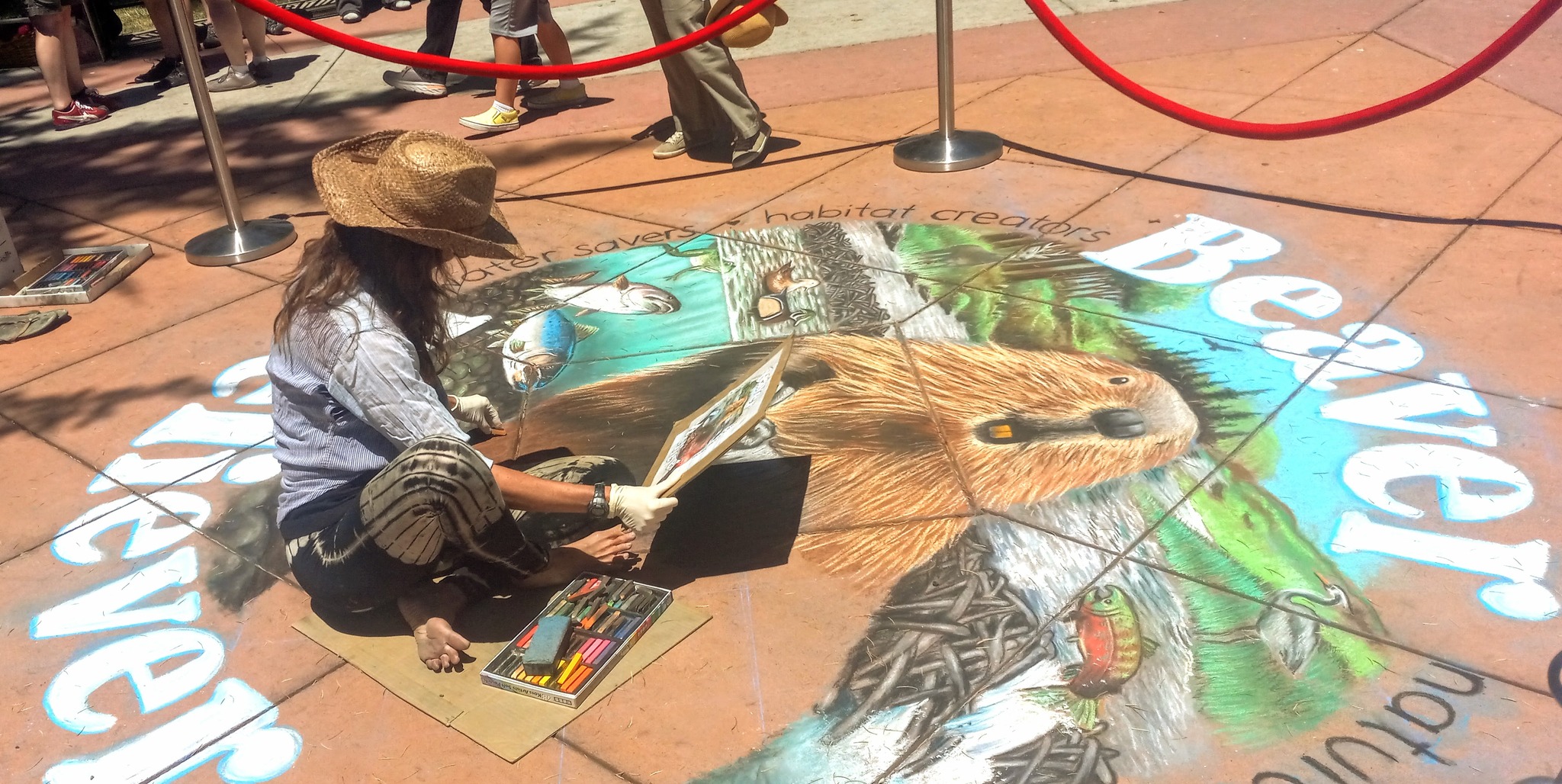 This morning the San Francisco Estuary Partnership will present the award to Amy Gallaher Hall for her remarkable chalk art at the beaver festival. Since she can’t be there her father will accept it in her stead. Amy has done dynamic beaver murals at our festival every year without charge since 2017.
It just seems a little unfair to read about this big launch and see the attending “artwork”..

HAGRIN FALLS, Ohio — An Ohio author hopes to inspire the next generation of naturalists through a heartwarming story about a little beaver who goes on a big adventure.
“Kit the Keystone” tells the story of Kit, a young beaver living in Stillwater Pond. However, Kit’s life is upended after their friend, Benny the green tree frog, discovers their home is being overtaken by purple loosestrife.
The plant, which is classified as a noxious weed by the Ohio Department of Agriculture (ODA), was once grown for ornamental and medicinal purposes by settlers throughout Ohio and other states.
Because purple loosestrife is native to Eurasia and has no natural predators in North America, it displaces the native plants wetland animals rely on for food and shelter, according to the University of Illinois Urbana-Champaign.
As a result of this sudden invasion, Kit and Benny choose to brave the unknown and go on an adventure to find a new wetland habitat for their friends and family, encountering other animals along the way.
Kit’s adventure mirrors the life of the book’s author, Jess Leibson. In addition to being an author, Leibson owns an art studio and is a fellow with the Economic Recovery Corps, through which she works for the Outdoor Recreation Council of Appalachia (ORCA).
As a child, Leibson had an incredible passion for reading and writing. Leibson later put her talents to work as a journalist, before becoming a copywriter and copy editor for Fortune 500 companies.
Okay Kit. Let’s see what you got. Martinez has a keystone story too. Except for here the noxious weed was a developer and the cure was moving the people to a new understanding.
This headline caught my eye because it is the exact final statement a child delivers when asked to extol beaver benefits at our festival a few years ago. Just listen.
It’s nice to think hydrologists know as much as a nine year old.
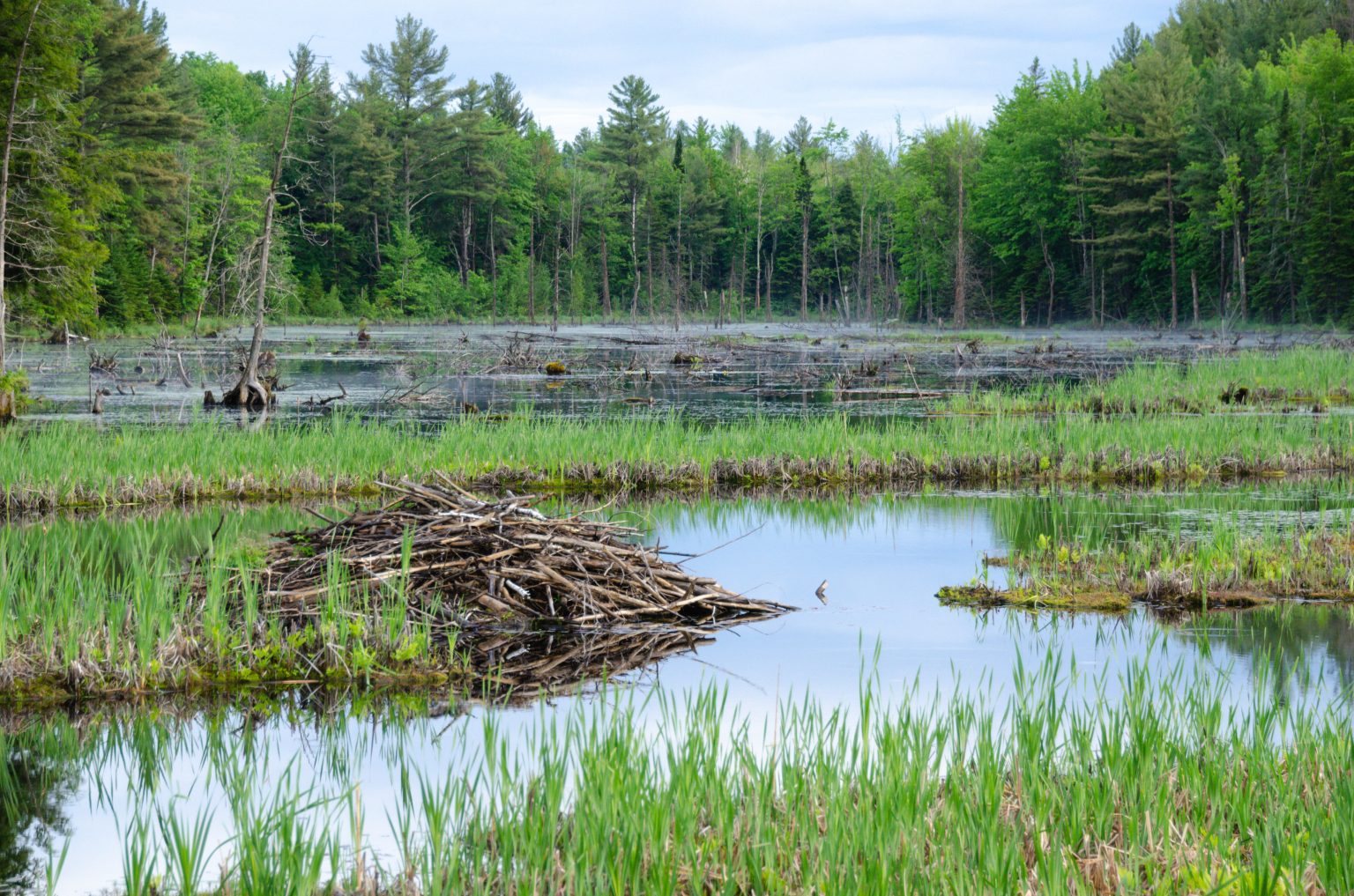
As ecosystem engineers, beavers build resilience into the landscape.
Above ground, we can see changes wrought by beaver ponds such as increases in biodiversity and water retention. But UConn Department of Earth Sciences researcher Lijing Wang says we have a limited understanding of how they impact what happens beneath the ground. In research published in Water Resource Research, Wang and co-authors study how water moves through the soils and subsurface environment and detail new insights into how beaver ponds impact groundwater.
Groundwater can be an important source of water for streams, especially late in a dry summer, it may be the only source of water sustaining a stream, says Wang, and researchers are interested in understanding if and how beaver ponds impact groundwater as these details are important to consider for water management and restoration efforts.
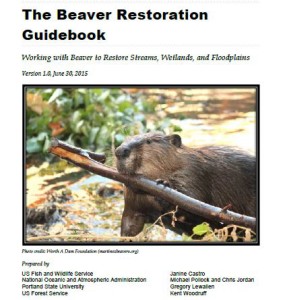
Wang explains that some initiatives have included building beaver dam analogs to mimic what live beavers do and these man-made structures similarly extend the wetland and make an area more drought and wildfire resilient, however there are no comprehensive studies that focus on understanding beaver-induced changes to the subsurface water.
“Our work here develops one of the first hydrologic models that helps us understand what happens from the beaver inundation to the subsurface system under different subsurface structures,” says Wang.
Once beavers catch on everyone will want them. Mark my words.
“Our results show that when the water reached the gravel bed, it does not stay there, it goes downstream. Thinking of the gravel bed as ‘a thick river’ underneath the stream bed, there’s more water flushed downstream in the subsurface than we thought. It’s not staying there and sustaining the local water table,” says Wang.
Though this research focuses on beaver ponds in Colorado, Wang says she is starting to focus on New England, and she has started monitoring local beaver ponds.
“In New England, we have different problems compared to the Rocky Mountains, where they have a relatively simpler river network. In New England, we have complex river networks with more tributaries, channels, and beaver dams, which give us more biodiversity, and sustains mature floodplains and wetlands overall.”
Understanding the intricacies between land use practice and its subsurface environment is critical for understanding exactly how beaver ponds will influence other aspects that we may not immediately come to mind, Wang explains, such as potentially negative changes to water quality and for this we need a comprehensive analysis.
As beavers slow the flow of water and create ponds, this changes the subsurface oxygen conditions and leads to lower oxygen, or anoxic, concentrations in the water. These conditions can then lead to the proliferation of anaerobic bacteria, whose activities in the sediment can mobilize heavy metals that would remain trapped in more oxygen-rich conditions. For these scenarios, location and history are key.
Well thriving beavers are actually the key.
Oh man, where is a babbelfish when you neeed one?
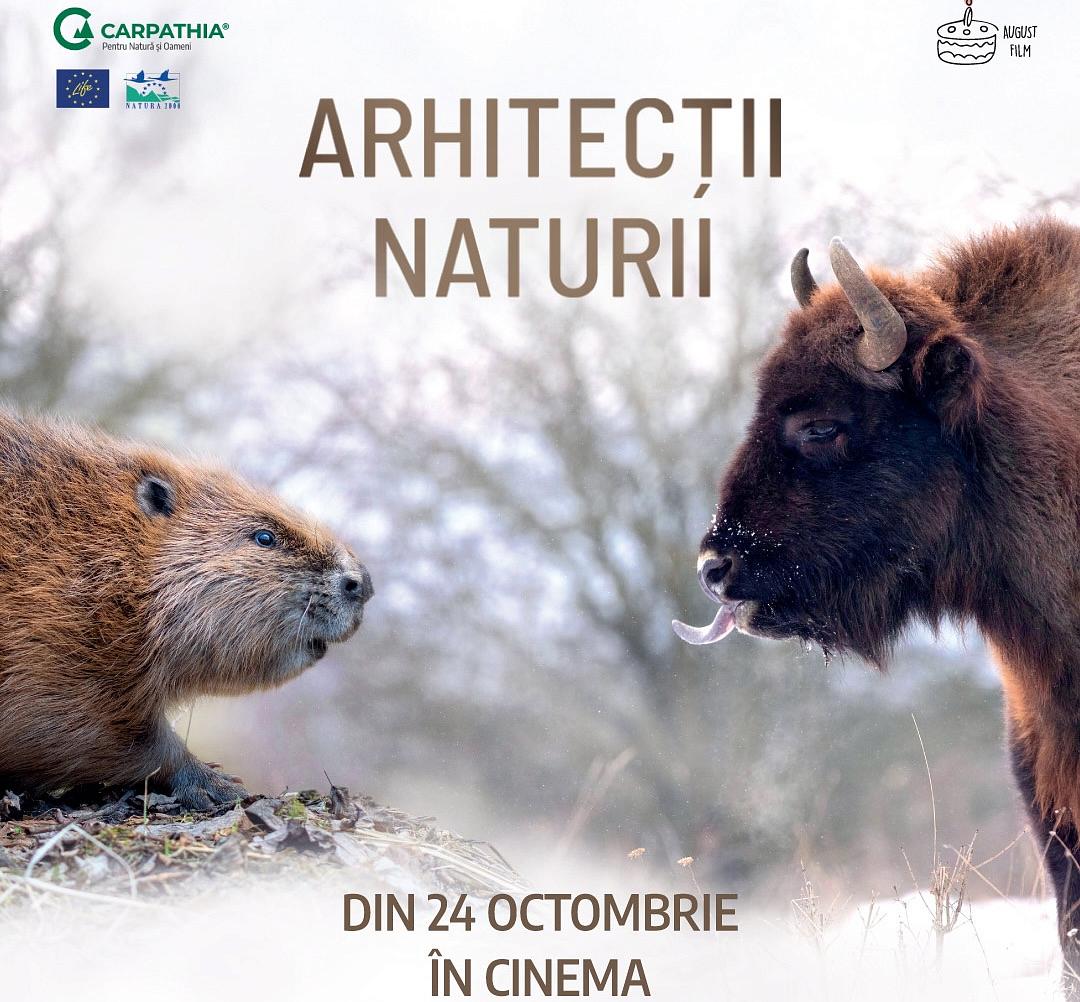 The story of the return of bison and beavers to Romania’s Făgăraș Mountains comes to cinemas nationwide with Arhitecții Naturii/Nature’s Architects, a new documentary by filmmaker Dan Dinu, produced in collaboration with NTD Film and the Conservation Carpathia Foundation. The film premieres in cinemas across Romania this Friday, October 24.
Screenings will take place in cities including Bucharest, Brașov, Cluj, Iași, Sibiu, Timișoara, and others, Conservation Carpathia Foundation announced. The full schedule and list of participating cinemas are available on the distributor’s website.
Over the course of one hour, viewers are invited to witness how these two keystone species – the European bison, the continent’s largest land mammal, and the beaver, nature’s master engineer – reshape the landscape and restore ecological balance.
Between 2020 and 2024, 81 bison were released into the Făgăraș Mountains, along with 62 beavers reintroduced since 2021. Both species play a vital role in regenerating forests, maintaining biodiversity, and creating new habitats for other wildlife, the foundation explained.