This article was like reading your crazy uncle was finally getting married and settling down. You can’t help but hope for the best but you still feel real bad for that poor woman, whoever she is.
I just want to point out that it does not have a word about success rate or how often the beavers don’t make it.
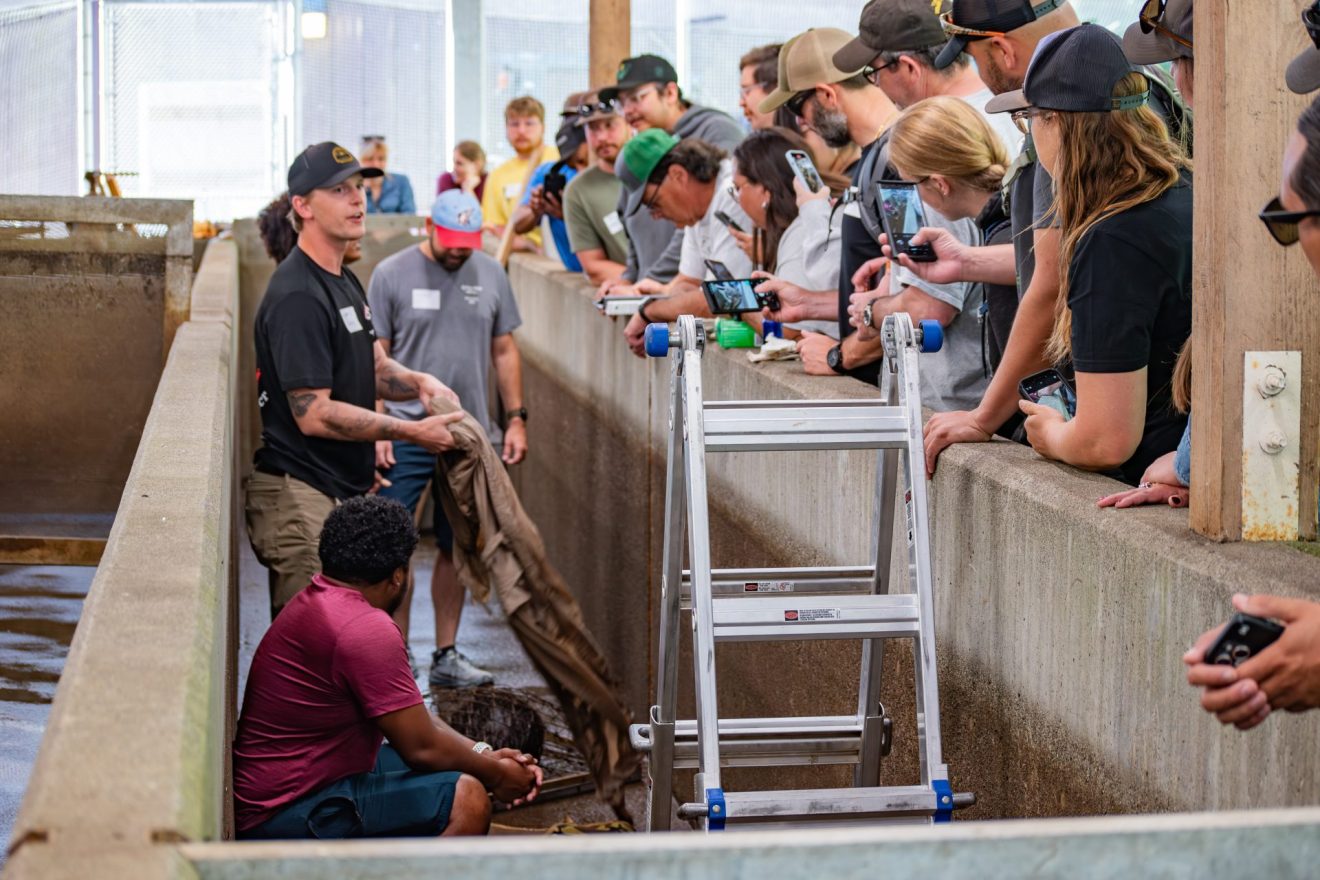 A group of hushed wildlife biologists lined up against the concrete wall of a dry raceway at the Tulalip Tribes’ Bernie Kai Kai Gobin Fish Hatchery one morning in July, peering at a cage with a sheet hung over it, concealing a beaver inside.
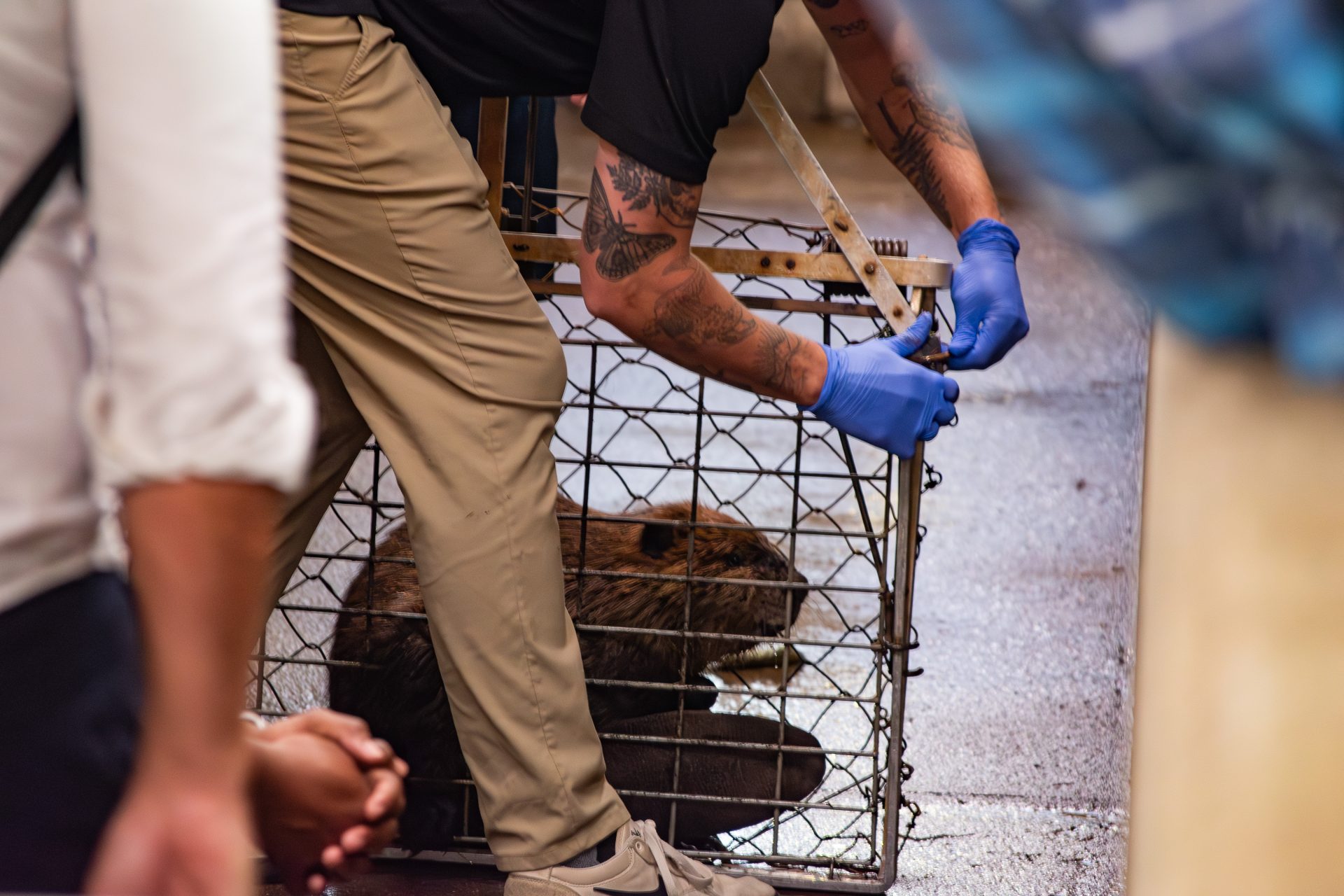
Tulalip wildlife biologist Dylan Collins and assistant wildlife biologist Jasmine Buries helped volunteers coax the animal from the wire cage into a canvas holding bag for examination. The beaver, deemed a female, was then released with a splash into a neighboring raceway—one prepared with knee-deep water, tree branches and a makeshift lodge for their stay.
Nearly 400 beavers have found themselves temporarily housed at the hatchery since Tulalip started a relocation program in 2014. Tulalip staff recently shared the program’s inner workings with biologists from other tribes and tribal organizations during a three-day workshop sponsored by the Native American Fish and Wildlife Society (NAFWS).
Four hundred beavers! That’s like 80 families. You capture these beavers right before they face certain death and at least give them a chance at life,
Why am I worried?
The goal of Tulalip’s program is to move beavers from places where their dam-building compulsion causes problems—by flooding roads or inundating farmland, for example—to places where beaver ponds can help restore and sustain aquatic ecosystems critical to recovering salmon and building climate change resilience.
“It’s good for the beavers, the environment, the watershed, the salmon—restoring those connections,” said Andrew Gobin, interim director of Tulalip’s Treaty Rights and Government Affairs department.
But wait. Is it? Is it actually good for the beavers? I mean is living in a concrete fish hatchery for three weeks while they capture your children is it actually better than dealing with a stranger who installs a flow device in your pond and makes the farmer leave you alone until you do something else he he does not like?
I get from the tribes point of view why it’s good news to have beavers back in theirwatershed. Bit I’m not actually sure from the beavers point of view that its better.
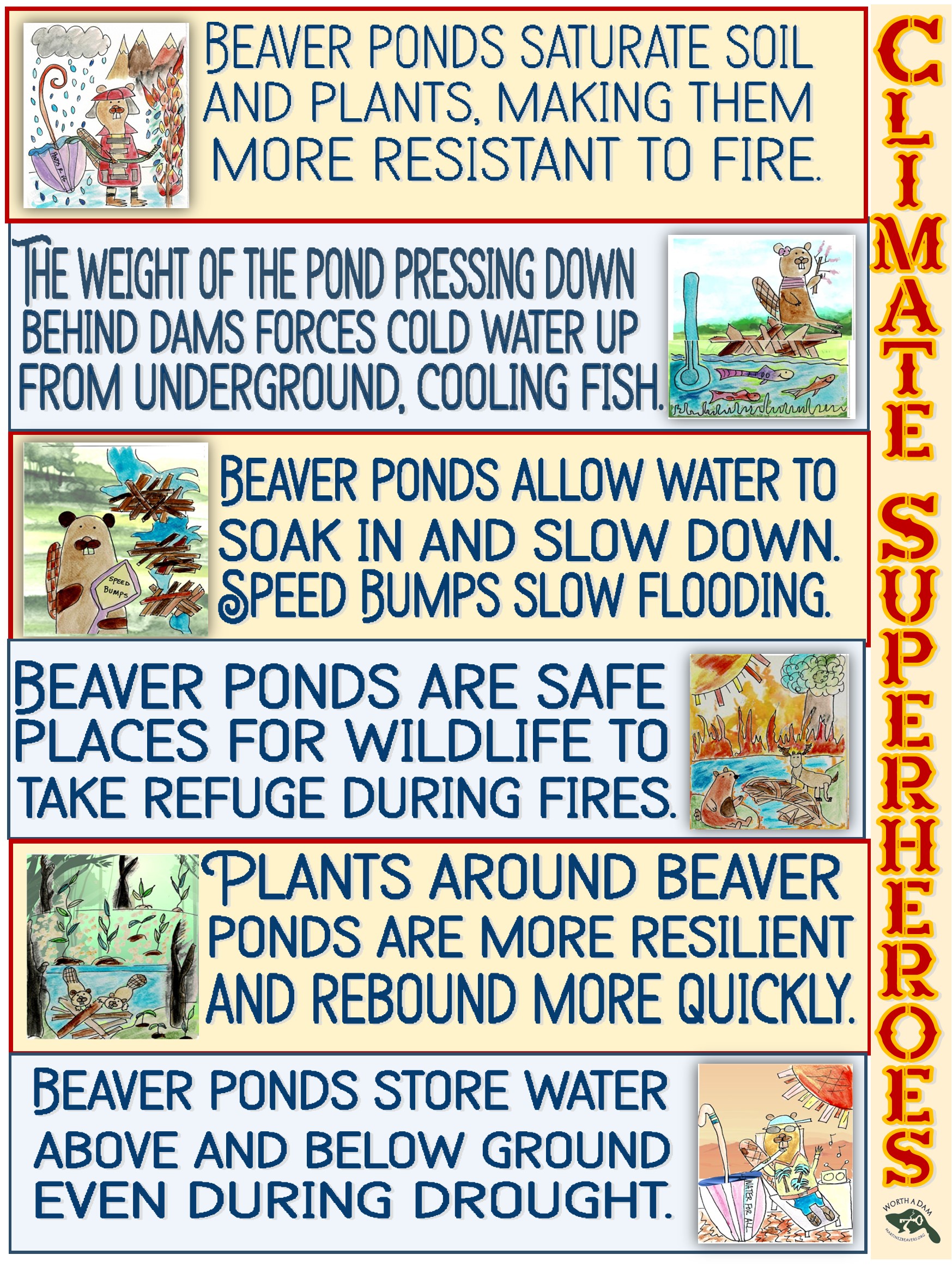
Workshop participants from across Washington and six other states said they plan to use lessons from Tulalip to establish or grow beaver relocation programs in their regions, to help restore wetlands, improve water retention and water quality, build wildfire resilience and protect against post-wildfire sediment runoff—while sparing the ecosystem engineers from lethal removal.
“We don’t have the beaver activity that we should in our region,” said Calvin Fisher, climate adaptation specialist for the Spokane Tribe of Indians. “I’m here to learn how to get the beaver to help build natural wildfire resilience.”
How to get the beaver to help build wildfire resilience? Are you going to take it to damming school?
Beavers don’t need HELP to build dams that protect ponds and prevent fires. They just need not to be killed.
That’s darn helpful.
 Tulalip’s home watersheds also still have room to grow in restoring beavers to the landscape. A University of Washington study published in 2018 suggested that of habitat suitable for beavers within the Skykomish River watershed, for example, about 73% was uninhabited by them.
Each year, Tulalip’s wildlife program staff work to relocate more beavers May through October, when the hatchery raceways are not needed for fish. Through July, 11 of the animals had been relocated so far this year.
When received at the hatchery, beavers are weighed, their sex is documented, and hair or other DNA samples may be taken. The beavers are held and monitored for one to three weeks to ensure they are healthy and that any mates or offspring are also captured from their origin sites.
Oh goody. Bringing in the whole dam family. You know what would be cool? If you didn’t relocate the beavers during the time when their new its are just starting out and learning the ropes. I realize it’s convenient for the fish.
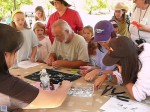
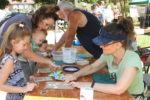
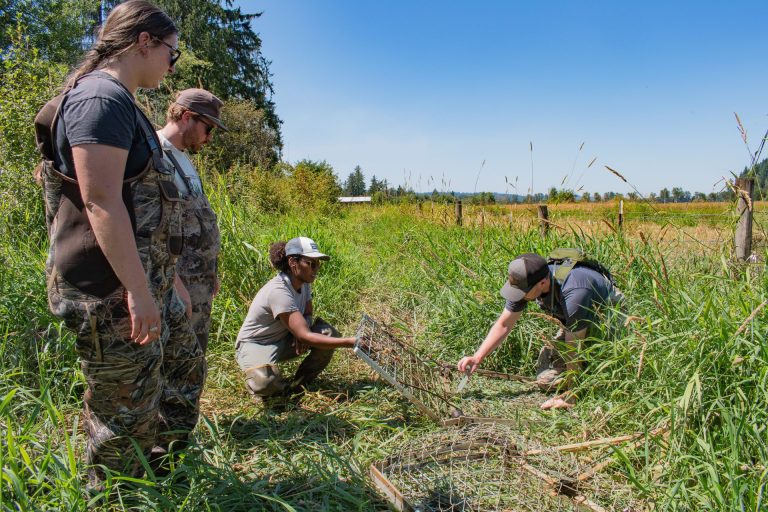
NAFWS workshop participants got a close look at three of the critters during intake and holding at the hatchery. They also had hands-on opportunities to learn how to set and retrieve traps, how to process the animals for holding, and how to assess potential release sites for suitability.
Participants came from the Quileute Tribe, Blackfeet Nation, Cowlitz Indian Tribe, Kalispel Tribe, Klamath Tribes, Muscogee Creek Nation, Robinson Rancheria of Pomo Indians, Sherwood Valley Band of Pomo Indians, Sisseton-Wahpeton Oyate, Spokane Tribe of Indians and Yurok Tribe, as well as the nonprofits Hybrid Indigenous Stewardship and Indigenous Led.
“It was great to have so much interest, and that now people are going to take this work to other states,” Buries said. 

 Nature’s ecological heroes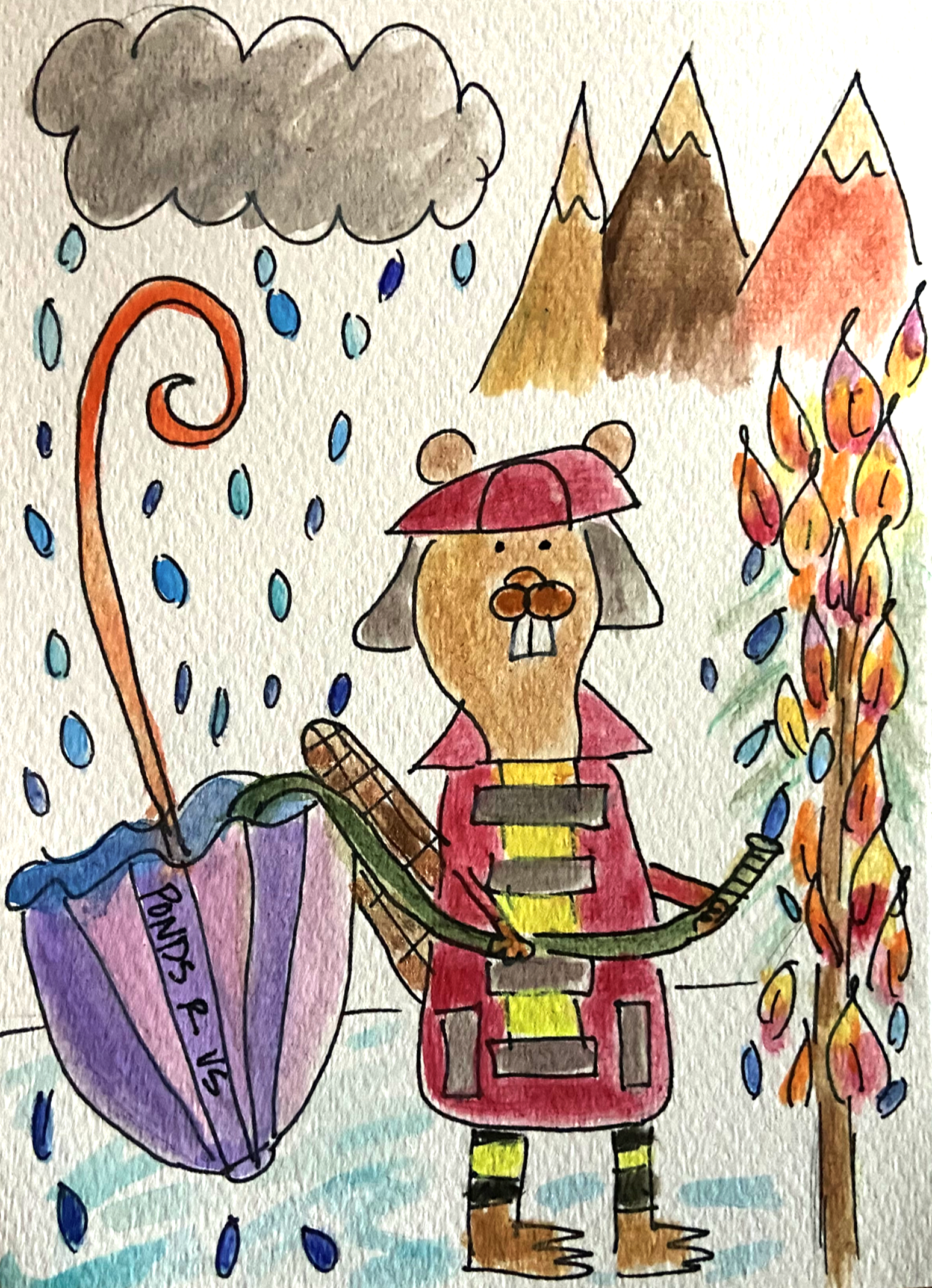

 I’m certainly not the only one who found their life altered unexpectedly by beavers. Its getting to be a fairly common occurrence. The newest transformation comes from the mild mannered enviromental student at Carlton College in Michigan that that talked with me a few years ago about hosting a beaver festival to advocate for some uninvited beavers that showed up on campus.