
Month: July 2025
Lovely to see stories like this from Colorado. They have truly signed on to the believer team.
Salomone: Benefits of beaver ponds
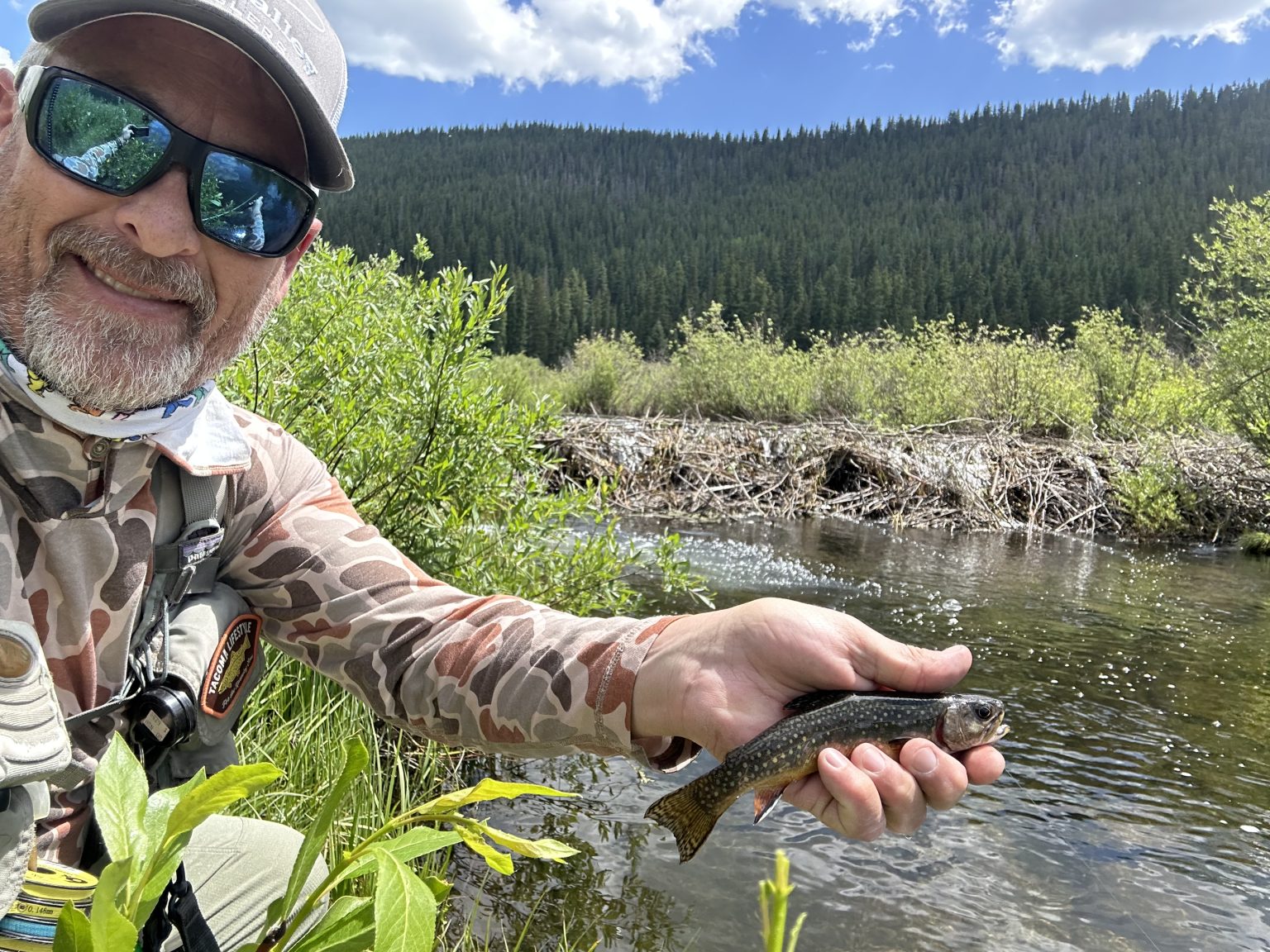
Beaver ponds are found throughout the Colorado High Country. Toss a lightweight fly rod in your vehicle and hit some High Country roads. Any short hike along a mountain stream will lead to a beaver pond at some point. Most roads inevitably parallel the course of a small watershed. Keep your eyes open. When you see the trickle of water pan out beyond the stream banks, you’ve found one.
The fish I have found in beaver ponds are surprising. Brook trout are the most commonly associated with beaver ponds, but rainbow, cutthroat and brown trout can be found, too. I have only caught two tiger trout, a brook trout and brown trout hybrid, but one of them came from a high altitude beaver pond.
Shallow beaver ponds are found in meadows where small streams are dammed, creating a pocket of water. Depending on the dam, the water can get deep, but that’s not usually the case. Long beaver ponds occur in bigger streams where the main channel is obstructed. The stoppage creates a body of water that pushes back up the stream channel and broadens the watershed. Long beaver ponds are deep and provide critical winter holding water for fish and beavers. This type of beaver pond will have ledges where the original stream channel existed before the inundation from beaver activity.
There’s just about nothing I love more than a good fishing article that praises beavers. I totally want to marsh up to every fisherman in Wisconsin and staple it to their forehead to make them read it.
Beaver ponds are an extension of wetlands. Other animals, like ducks and geese, benefit from beaver ponds. Nesting waterfowl need cover, water and prevalent food, all of which are found in the beaver pond habitat. Deer, elk and especially moose feed on the abundant growth in and around beaver ponds. Small mammals like marmots, bobcats and coyotes drink from beaver ponds. And of course beavers thrive in the ponds they create.
When fly fishing a beaver pond, it is best to approach from below the dam or downstream. Target any current or trickle of water flowing through or over the dam. Bubbles obscure your approach and mask your presence. They also trap insects; thus, trout are already looking in these areas for food. Make a good cast and be prepared for a strike.
Oh boy! Fishing near a beaver dam!
 From below the dam wading anglers can cast over and into the deep water the dam holds back. Present your dry flies along the willows growing on the edges or straight down the pool. The season of opportunity for feeding on bugs can be a short one for beaver pond trout. Any dry fly cast with finesse has a high probability for success.
I like to fish a subsurface fly from below the dam to target the larger brook trout that hold in the deepest water or after casting dry flies. A lot of beaver ponds hold clear water, making it an easier-to-fish structure visually.
Yep. Just go downsteam of a beaver dam and cast above the dam. Then wait. It’s the weirdest thing, It turns out fish like to be where there’s deep water and insects. Isn’t that weird?
 Appropriate gear is tailored to the fish. Most beaver ponds hold trout that are on a smaller scale compared to river trout. Brookies and cutts in beaver ponds are examples of rewarding small fish. Rods in the 3-weight size excel in beaver pond fly fishing. On a recent beaver pond outing, I used an Echo 3-weight Riverglass and Galvin 2.5 reel. Fiberglass enhances the connection to the fish while placing an emphasis on casting. Short rods help to present technical casts in tight places where an abundance of obstacles exist tempting to snag your flies.
Brookies can slime a dry fly after a few fish to the point where it drowns. Change it up. Brookies jump on dry flies from plain jane parachute patterns to little hoppers and even unnatural, attractor patterns like a rubberlegs stimulator, old school Royal Wulff or any color of humpy.
In deep water, slide a leech pattern along slowly or short strip a damsel nymph. Cutthroat trout will give chase to the enticing action an unweighted leech fly presents. Beadhead buggers can sink too much and have a tendency for snagging small sticks underwater.
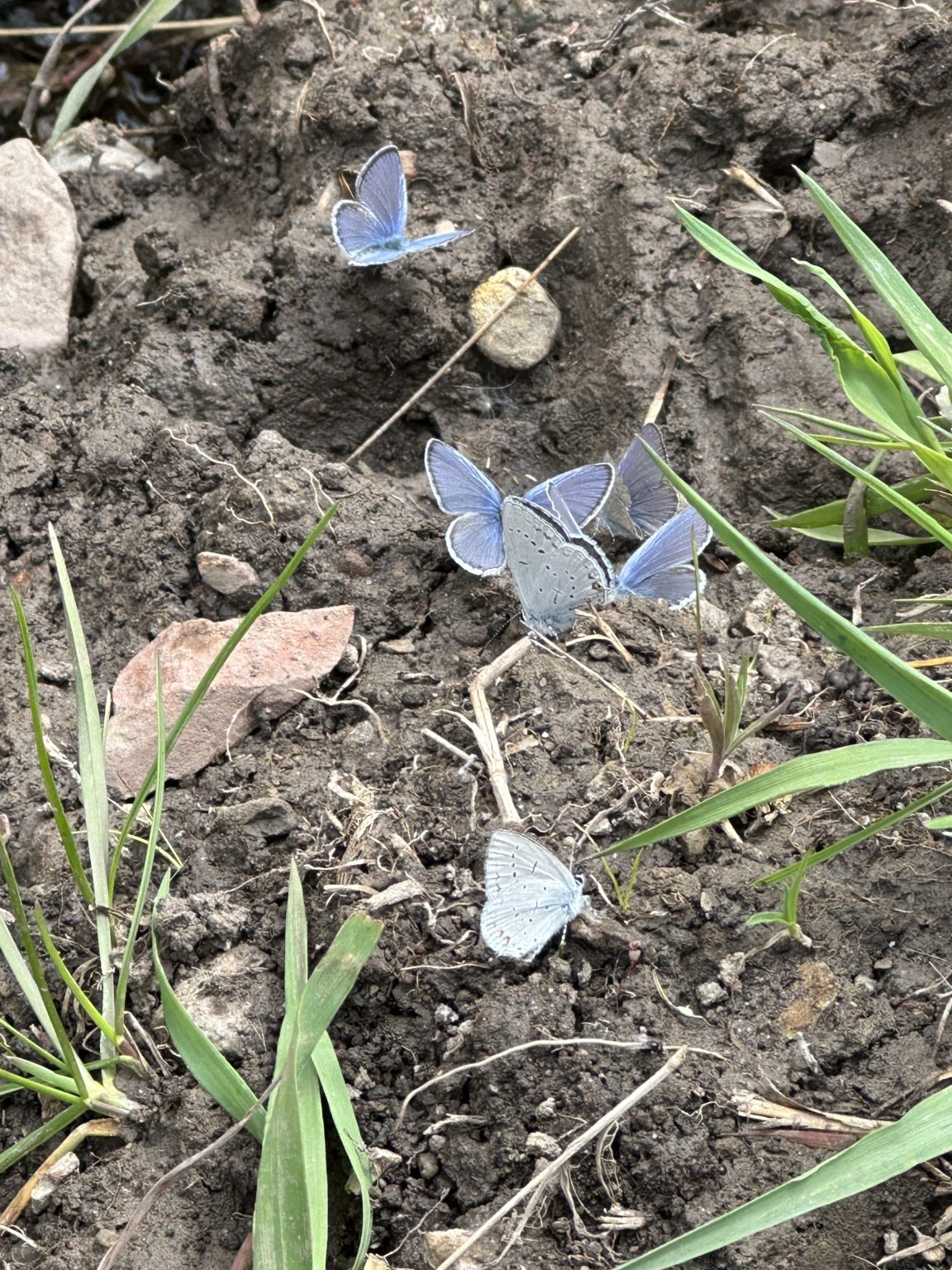
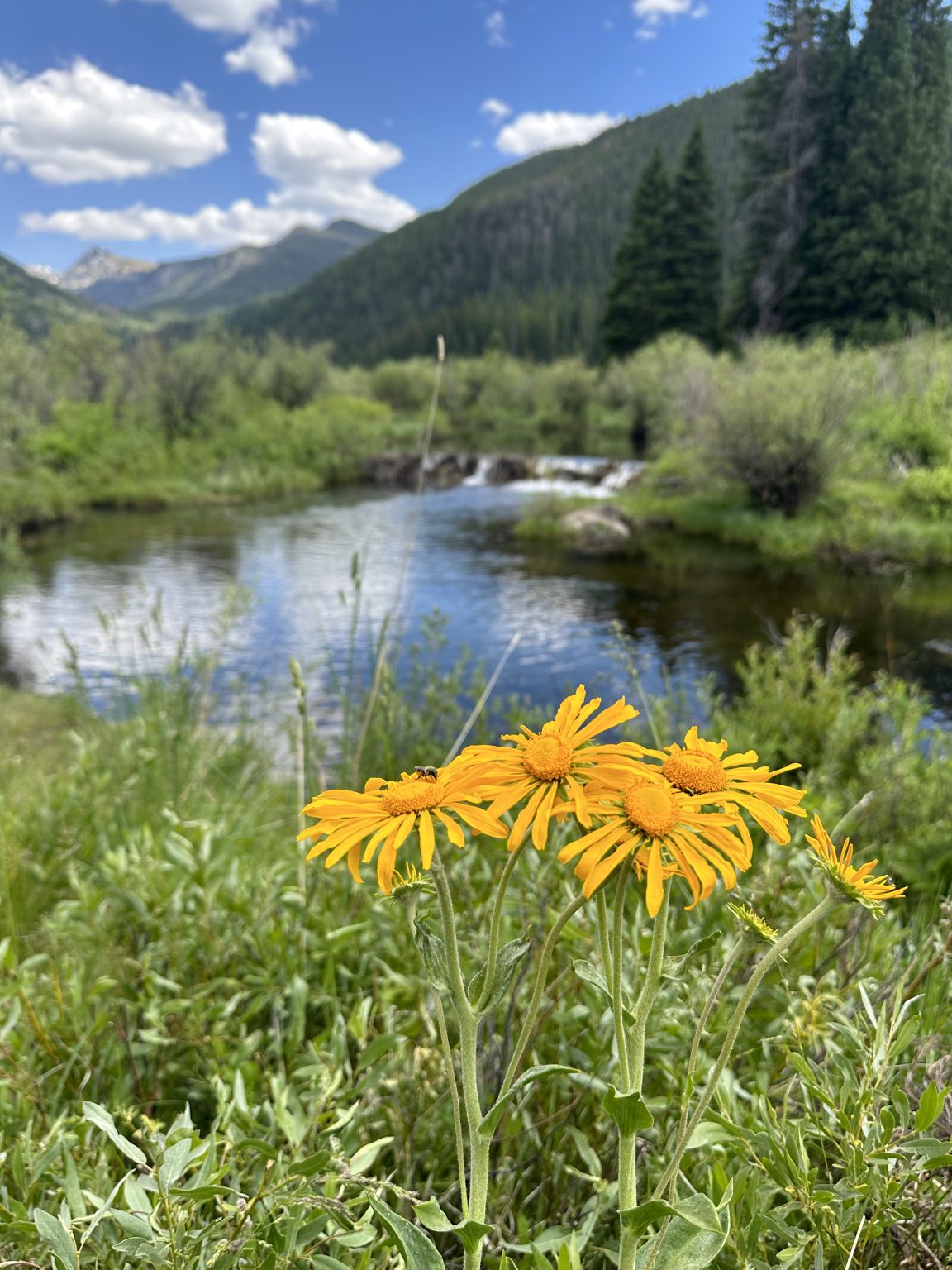
Beaver ponds are a place for getting in tune with nature. They represent a special piece of Colorado that is more about where you are fly fishing than the size of your trophies. Soak in the extras like the scenery, wild flowers and butterflies. Slow down. Let the sunshine warm your skin. Smell the pines. Go sit by a beaver pond and dine on a simple sandwich and crack a cold beer. It is summertime in the Colorado Rocky Mountains — it doesn’t get any better.
Well it could get better for the fish. But we take your point.


Everyone knows by now I’m no big fan of beaver relocation. Mostly I think beavers should go about their business doing their thing and WE should change. But articles like this one take away most of the sting.

It’s not easy being a river in the desert under the best of circumstances. The ecosystem exists in a very delicate balance, allowing water sources to thrive in the harsh conditions. These water sources in otherwise extremely dry areas are vital to the survival of unique wildlife, agriculture, and even tourism as they provide fresh drinking water for the people who live nearby.
But man-made problems like climate change, over-farming, and pollution have made a tough job even tougher in some areas. Rivers in Utah and Colorado that are part of the Colorado River Basin have been barely surviving the extremely harsh drought season. When the riverbeds get too dry, fish and other aquatic creatures die off and the wildfire risk increases dramatically.
About six years ago, one team of researchers had a fascinating idea to restore the health of some of Utah’s most vulnerable rivers: Bring in the beavers.
You gotta love any article with lines like “Bring in the beavers”.
In 2019, master’s student Emma Doden and a team of researchers from Utah State University began a “translocation” project to bring displaced beavers to areas like Utah’s Price River, in the hopes of bringing it back to life.
Why beavers? It just makes dam sense! (Sorry.)
Beaver dams restrict the flow of water in some areas of a river, creating ponds and wetlands. In drought-stricken areas, fish and other wildlife can take refuge in the ponds while the rest of the river runs dry, thus riding out the danger until it rains again.
When beavers are present in a watershed, the benefits are unbelievable: Better water quality, healthier fish populations, better nutrient availability, and fewer or less severe wildfires.
It’s why beavers have earned the title of “keystone species,” or any animal that has a disproportionate impact on the ecosystem around them.
Doden and her team took beavers who were captured or removed from their original homes due to being a “nuisance,” interfering with infrastructure, or being in danger, and—after a short period of quarantine—were brought to the Price River.
Despite the research team’s best efforts, not all the translocated beavers have survived or stayed put over the years. Some have trouble adapting to their new home and die off or are killed by predators, while others leave of their own accord.
Ahh those unfortunate beavers that get relocated right into harms way. Well grad students can’t think of EVERYTHING. You know,
The water levels in the river are now the healthiest they’ve been in years. The fish are thriving. Residents of Utah are overjoyed at the results of the experiment.
A column in The Salt Lake Tribune from 2025 (six years after the beaver translocation began) writes that the revitalization of the Price River “helped save our Utah town.”
“A tributary of the Colorado River, the Price River runs through downtown Helper. On a warm day, you’re likely to find the river filled with tourists and locals kayaking, tubing and fishing along its shore. A decade ago, it was hard to imagine this scene—and the thriving recreation economy that comes with it—was possible.”
Of course, it wasn’t JUST the beavers. Other federal water cleanup investments helped remove debris, break down old and malfunctioning dams, and place tighter regulations on agriculture grazing in the area that depleted vital plant life.
But the experts know that the beavers, and their incredible engineering work, are the real MVPs.
Yes they are. No need being humble.
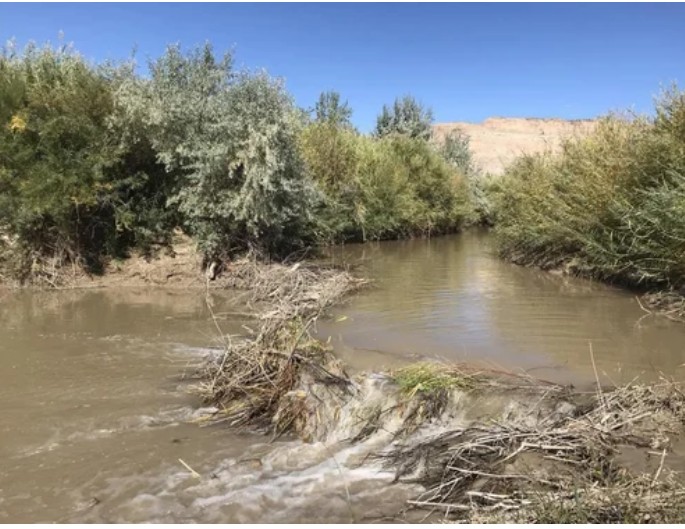 In other drying, struggling rivers in the area, researchers are bringing in beavers and even creating manmade beaver dams. They’re hoping that the critters will take over the job as the rivers get healthier.
Utah’s San Rafael river, which is in bleak condition, is a prime candidate. In on area of the river, a natural flood inspired a host of beavers to return to the area and “riparian habitat along that stretch had increased by 230%, and it had the most diverse flow patterns of anywhere on the river,” according to KUER.
It’s hard to believe that beavers nearly went extinct during the heyday of the fur trapping industry, and continued to struggle as they were considered nuisances and pests. Now, they’re getting the respect they deserve as engineer marvels, and their populations have rebounded due to better PR and conservation programs.
To that I say…it’s about dam time!
I’m so old that I remember when Utah was the beaver flagship for the entire country under Mary Obrien who laid the foundation that Ms Doden seems to have reinvented. Real change takes real time.
And real beavers.
Every great day deserves a great scribe. did a fantastic job,
Leave it to beavers: Fest of ‘misunderstood’ critters attracts celebrants from near and far

NINA KHAN SAYS beavers are “very isunderstood.” Khan arrived at the 16th annual Martinez Beaver Festival with her suitcase in hand after a flight from Chicago to celebrate the largest rodents in North America.
“Beavers are so undervalued and misunderstood,” said Khan, sustainability leader with the Peggy Notebaert Nature Museum near the Lincoln Park Zoo.
The California Department of Fish and Wildlife describes the beaver as an ecosystem engineer because of its dam-building work. Beavers also play an important role in maintaining a diverse habitat for other species.
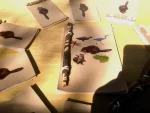
The Saturday festival at Susana Park featured live musicians, wildlife trading card games, birds, and artists including Amy Gallaher Hall who made a chalk street painting of beavers wading down a river to their den.
The young reporter was so enthusiastic about the event it was fun to chat with her. We were all impressed that Nina arrived with her suitcase!

Khan said her interest in beavers began when she was assigned by the Chicago nature center to conduct a public education session about beavers.
“I didn’t know anything about beavers,” Khan said. “So later on, I did some more research on beavers, and I was just blown away by all the stuff they do.”
Khan hosted a beaver event with John Muir Laws on April 7, International Beaver Day. Laws later introduced Khan to Heidi Perryman, founder of Worth a Dam to support beavers in Martinez.
I never get tired of parade photos. Those picket signs were a great idea. They look great!
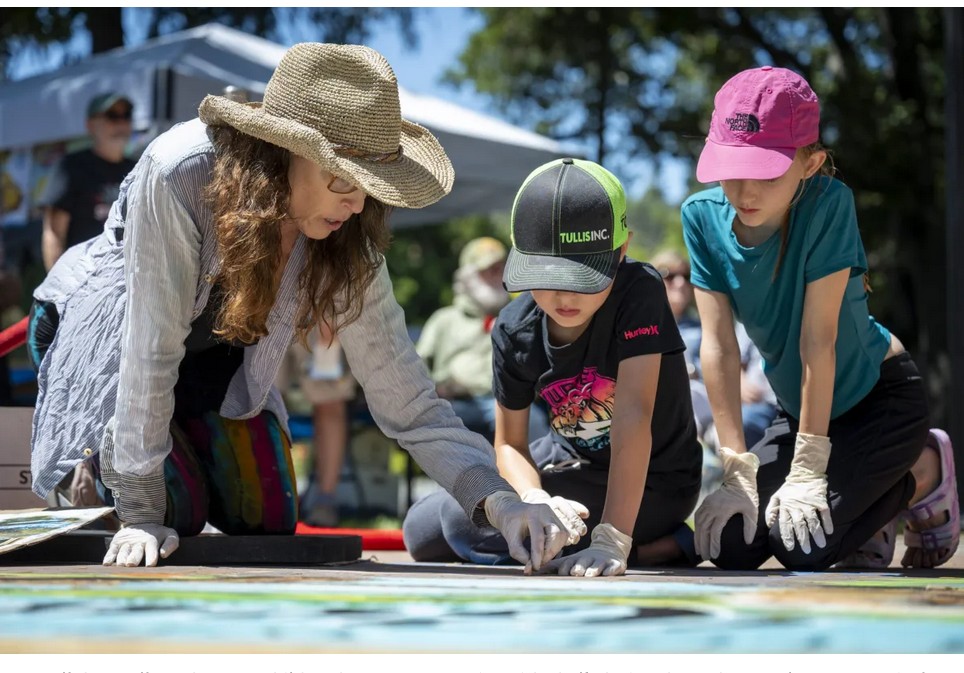
The nonprofit organization helps shoulder responsibility for habitat replacement and community education on the beavers.
“Martinez was a pilot project for beaver conservation in California,” Perryman said. “The San Luis Obispo County Beaver Festival had its third annual gathering in April and Colorado had its first beaver festival this year.”
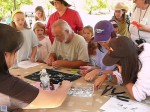
Perryman said the Martinez festival has been a way to teach community members about the value of beavers and prove that beavers can coexist with humans. The annual event brings people together to educate, create, and enjoy the outdoor spaces of Martinez.
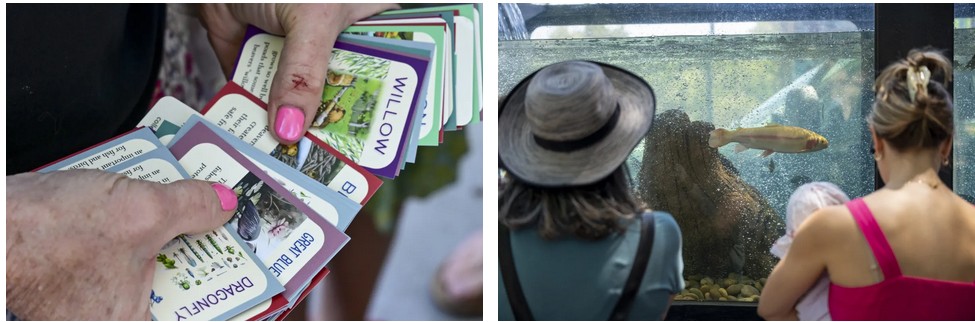
I am so glad the multi-faceted day get recorded. I love seeing photos like these,
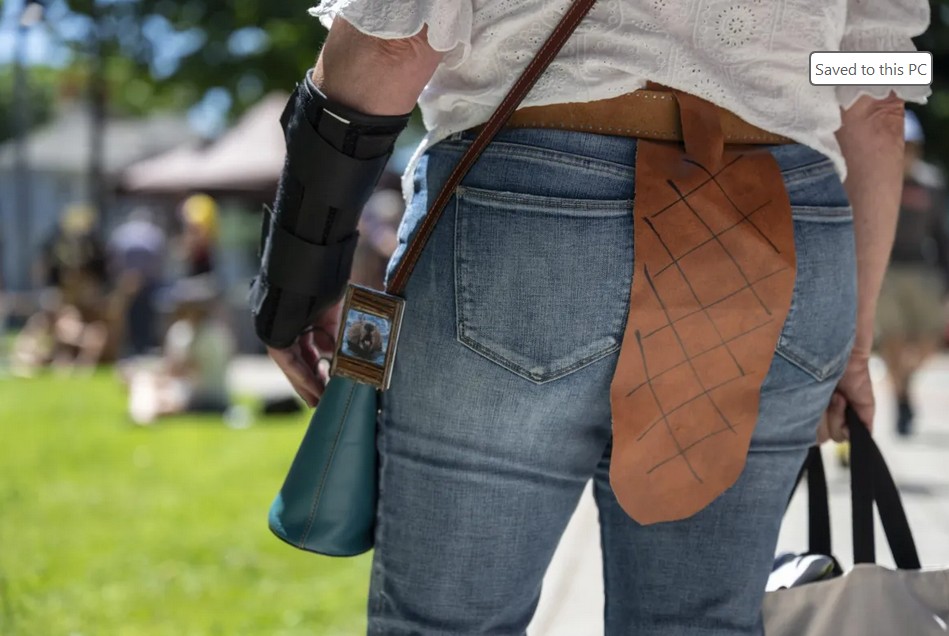 “When you are passionate about something, it shows and is reflected in the work that is done,” said Leslie Risbrough, a longtime volunteer with Worth a Dam.
This event became a tradition in honor of a family of beavers that made Alhambra Creek their home in 2006. Every year, the festival consists of conservation education, interactive activities, and community engagement with local wildlife organizations.
“I realized the beaver would be safer if we threw a party for them every year,” Perryman said.
Well that makes me sound like a hostage. (Which I might be,) I said that’s how we decided to throw the first festival.
The others were obviously just an addiction.
BEAVER FESTIVAL XVII

DONATE

‘HOPPERS’ COUNTDOWN

Beaver Interactive: Click to view
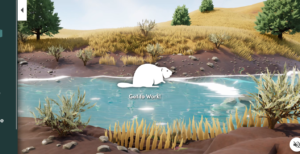
TREE PROTECTION

BAY AREA PODCAST

LASSIE INVENTS BDA

CONTACT US

URBAN BEAVERS

LASSIE AND BEAVERS

Ten Years
The Beaver Cheat Sheet

Restoration
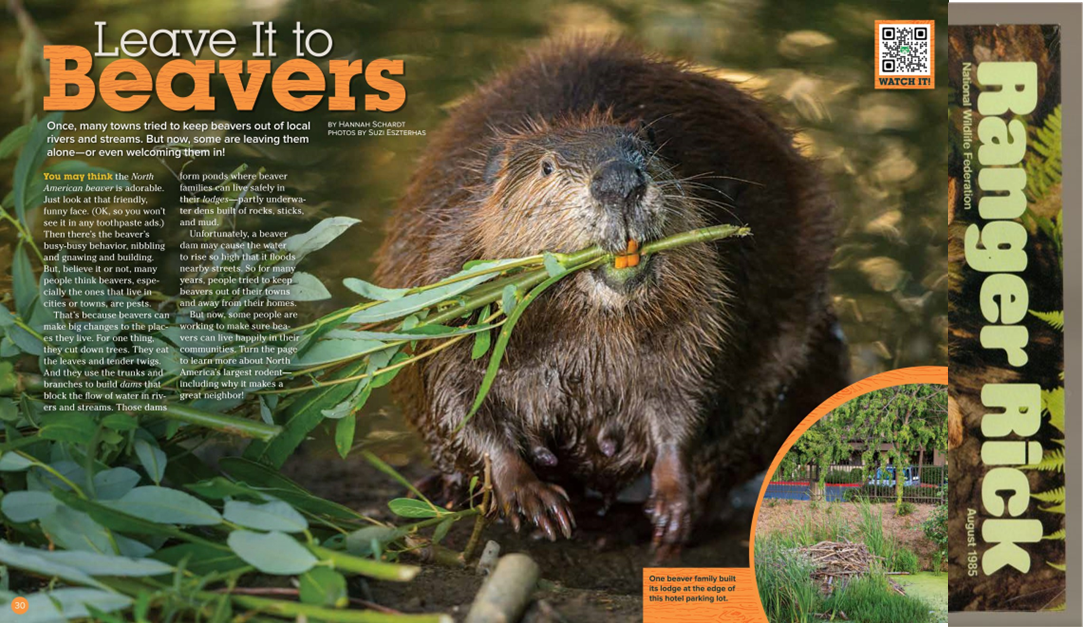
RANGER RICK
Educate & Engage