
Beavers put to work saving two Utah rivers
National Parks are often referred to as “America’s best idea.” That’s what followers of the National Parks and Forests Supporters believe, anyway (and they’re probably not wrong). Earlier this month, the Facebook page highlighted another great idea, this one regarding a unique conservation effort.
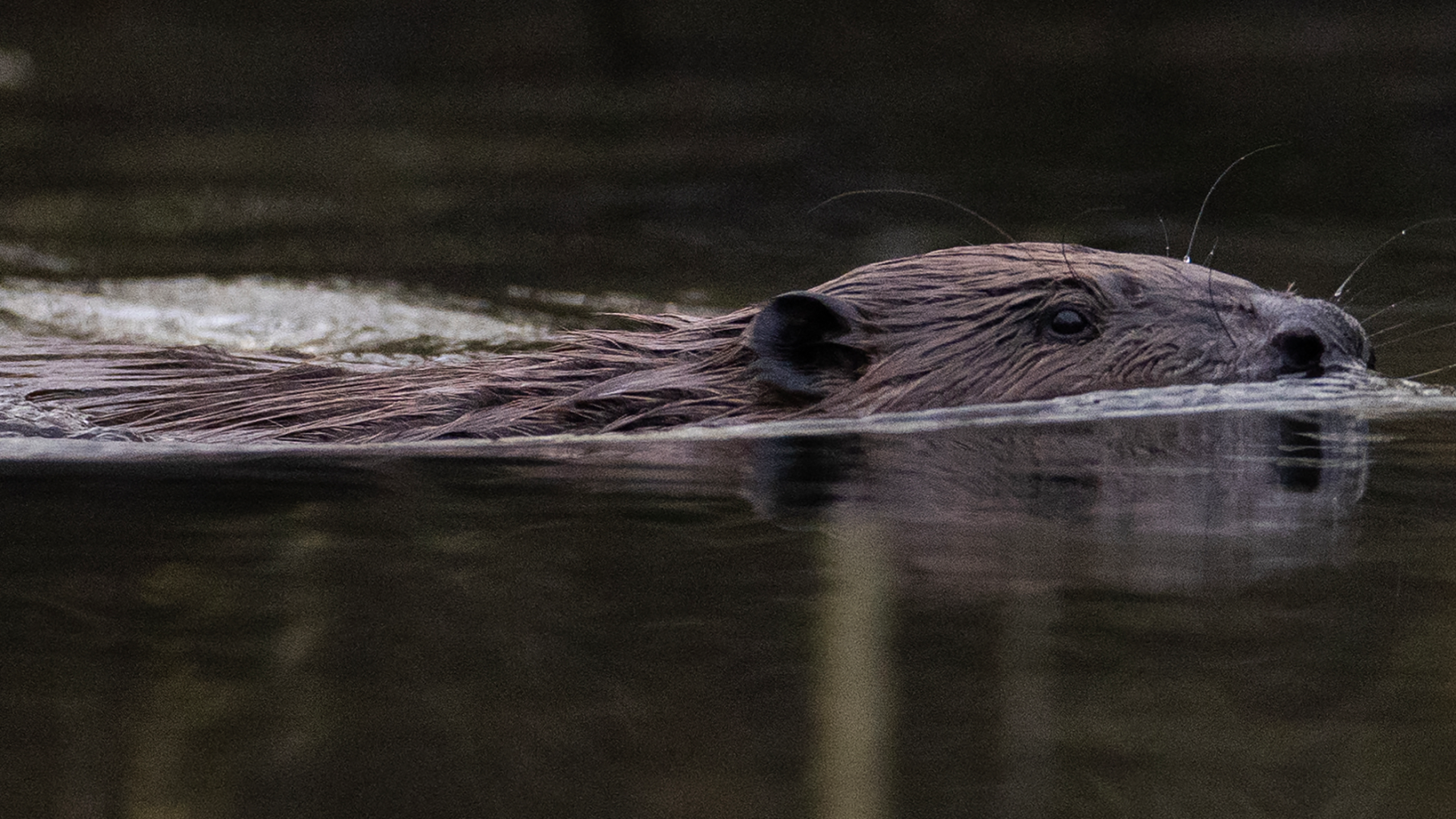
The unique conservation effort is… beavers. In 2019, researchers began moving captured beavers who had become a nuisance to humans along stretches of the San Rafael and Price Rivers in Eastern Utah.
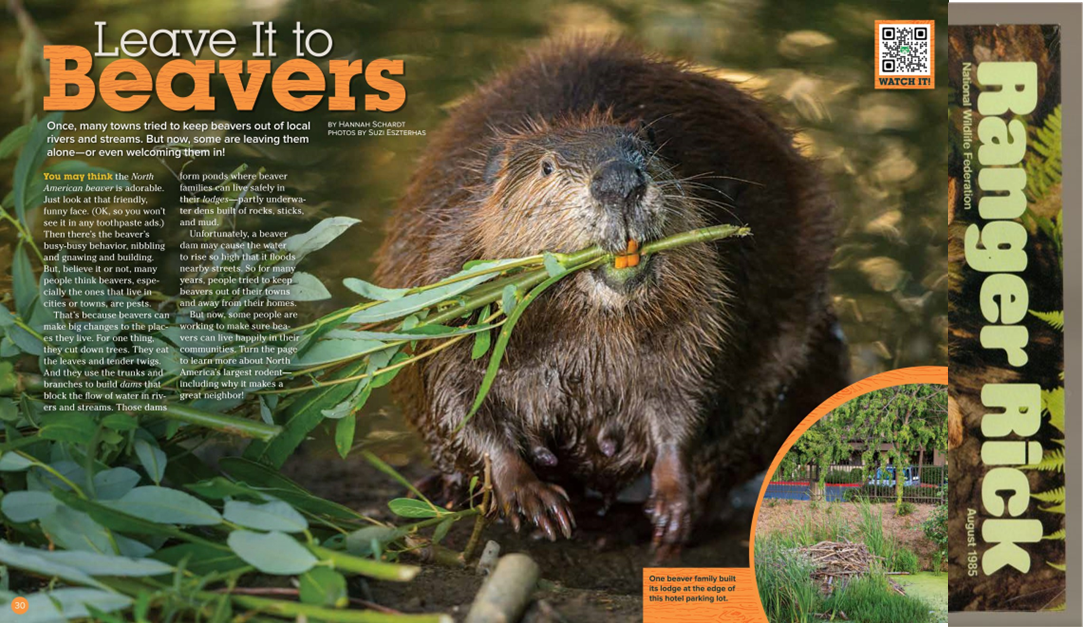
The idea is that beavers—often considered nature’s engineers—reshape river landscapes by felling trees and building dams. All of this busy activity conserves water and creates wetlands that sustain countless other species. According to the US Fish and Wildlife Service, they are “one of the most cost effective and sustainable solutions for ecological restoration and climate change resilience.”
And its another day that ends in Y. Beavers help degraded rivers. Who knew?’
And our desert rivers are indeed in need of ecological restoration. Human activities including the constructions of reservoirs, dams, and diversions have depleted their crucial water supplies and consequently degraded natural habitats of the local flora and fauna, as reported by Utah State Magazine.
Cue the beavers. Two years after they joined the small pre-existing population, Emma Doden, a then-Utah State University graduate student who participated in the conservation experiment, told the BBC that her team found dams in regions where they had previously never been observed.
While a number of the 47 total translocated beavers died or moved away from the target restoration area, “a few of these beavers stuck where we put them. And even the ones that didn’t – we had some move 20km [12 miles] downstream, which is pretty far for a small little animal – they are probably still helping the system, as the river is so degraded,” she said.
Sure a FEW die or get eaten but no matter. The leftovers are still doing good work!
By 2023, the experiment was still working. The researchers saw more dams than before their study on beaver translocation, behavioral ecologist Julie Young at Utah State University told The Wildlife Society. Some beavers improved regions of pre-existing analog dams—or human-made beaver-like dams built for environmental restoration purposes.
“What heavy machinery and government programs couldn’t do, a few rodents pulling sticks through the mud did better,” the National Parks and Forests Supporters post concludes.
While the post doesn’t cite specific evidence backing their claim regarding government intervention, there’s no arguing that beavers—like invasive-plant-eating goats—are a more natural solution.