

I’m a sucker for any city council where humane solutions for beaver are discussed. And this recent article from Rhode Island got all my attention.
Councilor calls for humane solution to beaver troubles on Mechanic Street
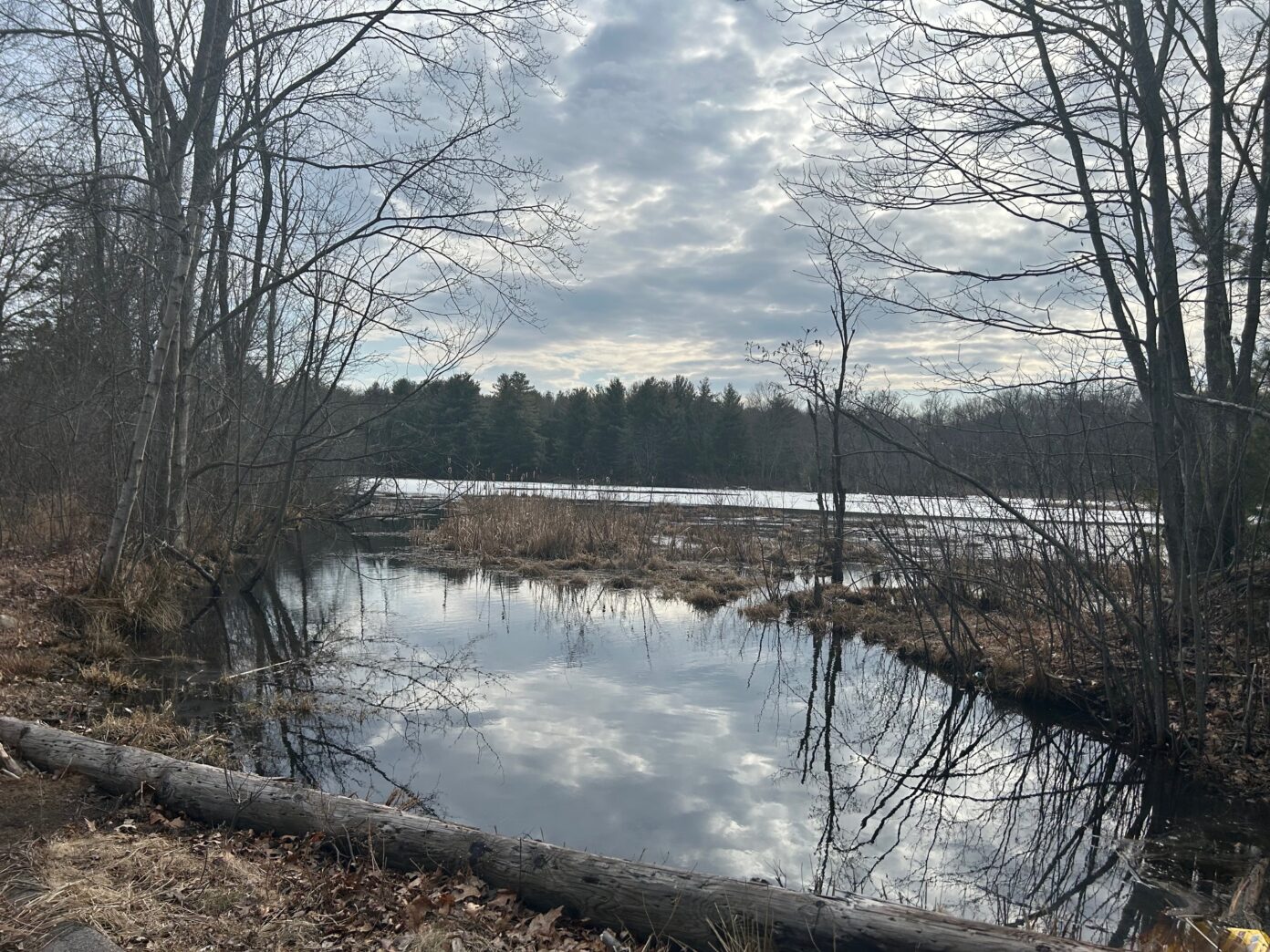 NORTH SMITHFIELD – A dam built – and then rebuilt – by beavers has caused ongoing problems with flooding on Mechanic Street and now, one town councilor is asking North Smithfield officials to pursue a humane solution.
Councilor Rebecca DeCristofaro has asked Town Administrator Scott Gibbs to look into using a beaver diversion device rather than the usual practice of euthanizing the critters.
“If this is an issue in town, then maybe a diversion plan is a better solution than just having to kill beavers year after year,” DeCristofaro told Gibbs at a meeting last week.
When I read a sentence like that I realize that it truly is a new world we are living in for beavers. Once upon a time I heard from our city treasurer that she happened to see a documentary about Skip Lisle and beaver deceivers and invited the mayor and public works over to watch it at her house when we were in the middle of the beaver drama.
Do you think they came? GUESS.
Much simpler than it sounds, a “diversion system” is essentially just a pipe through a beaver dam that allows water to flow past. Dams can be a troublesome – and often reoccurring – nuisance as the animals work to block water flow, causing build up that floods yards and roadways, and can result in costly damage.
“It’s a horrible problem,” said Gibbs. “They’re very destructive. I understand the sensitivity, but I also understand when people’s driveways are collapsing from flooding, that makes me a little bit anxious.”
It is not the first time the town has debated potential solutions to beaver troubles. Multiple diversion systems – also known as beaver deceivers – were installed at a town-owned property known as Cedar Swamp under the guidance of former Conservation Commission Chairman Paul Soares between 2014 and 2018. Paulette Hamilton was serving as town administrator at time, and recalls the discussions and eventual solution.
“Beaver diversion systems were not really that popular then,” Hamilton said. “It’s a very, very small investment for a long term solution to a problem.”
At the time, the systems cost around $1,200.
Come on people. Skip is 157 miles away. Martinez brought him out THREE THOUSAND MILES. We took a much bigger risk than you. N
Much simpler than it sounds, a “diversion system” is essentially just a pipe through a beaver dam that allows water to flow past. Dams can be a troublesome – and often reoccurring – nuisance as the animals work to block water flow, causing build up that floods yards and roadways, and can result in costly damage.
“It’s a horrible problem,” said Gibbs. “They’re very destructive. I understand the sensitivity, but I also understand when people’s driveways are collapsing from flooding, that makes me a little bit anxious.”
It is not the first time the town has debated potential solutions to beaver troubles. Multiple diversion systems – also known as beaver deceivers – were installed at a town-owned property known as Cedar Swamp under the guidance of former Conservation Commission Chairman Paul Soares between 2014 and 2018. Paulette Hamilton was serving as town administrator at time, and recalls the discussions and eventual solution.
“Beaver diversion systems were not really that popular then,” Hamilton said. “It’s a very, very small investment for a long term solution to a problem.”
At the time, the systems cost around $1,200.S
I remembered that our city council was so alarmed by the scary beaver people that they had 11 police officers and a sniper at the beaver meeting.
I didn’t find out about the sniper until a decade later.
“I was very, very much against euthanizing,” said Hamilton. “It was a last resort.”
While the state suggests euthanasia as a means to deal with nuisance beavers, Hamilton noted it often doesn’t solve the problem.
“Others will come in and they’ll start using the same area,” she said.
“They really do a lot of good stuff,” said Hamilton.
On Mechanic Street, beaver dams on a 27 acre property purchased this year by Mike Mongeon of North Smithfield Tree Service has caused flooding that has damaged an abutting driveway, which has started to develop a sinkhole.
“It’s been flooding into the roadway,” said Gibbs. While town officials are actively working with the owner on a solution, Gibbs noted, “We do not have the legal right to go onto a private property and expend public funds.”
And is the creek private property? Because that’s where the flow device would be.
Gibbs noted the flooding is not a new issue and that town officials also worked with the past owner.
“This problem has resurfaced on numerous occasions,” Gibbs said.
DeCristofaro told NRI NOW this week that she’s serious about the issue. During the last council meeting, she told board members she would gladly relocate the animals to her own property if it wasn’t illegal in the state.
“I obviously love animals,” DeCristofaro said. “I have a whole farm.”
Gibbs said he’s hopeful a solution will be found.
“As the town administrator, I lean more on the rights of property owners than the beavers though, and it’s causing some serious property damage off of Mechanic right now, and it’s got to be resolved, he said. “We’re working carefully around this issue. The DPW director is looking at diversion as a possible option to mitigate the problem.”
If there’s a will there’s a way. Our story proves you can truly do this and there are good reasons why you should. I have gotten out of the habit of writing letters to cities with beaver issues but maybe I can do one more.
For the team.
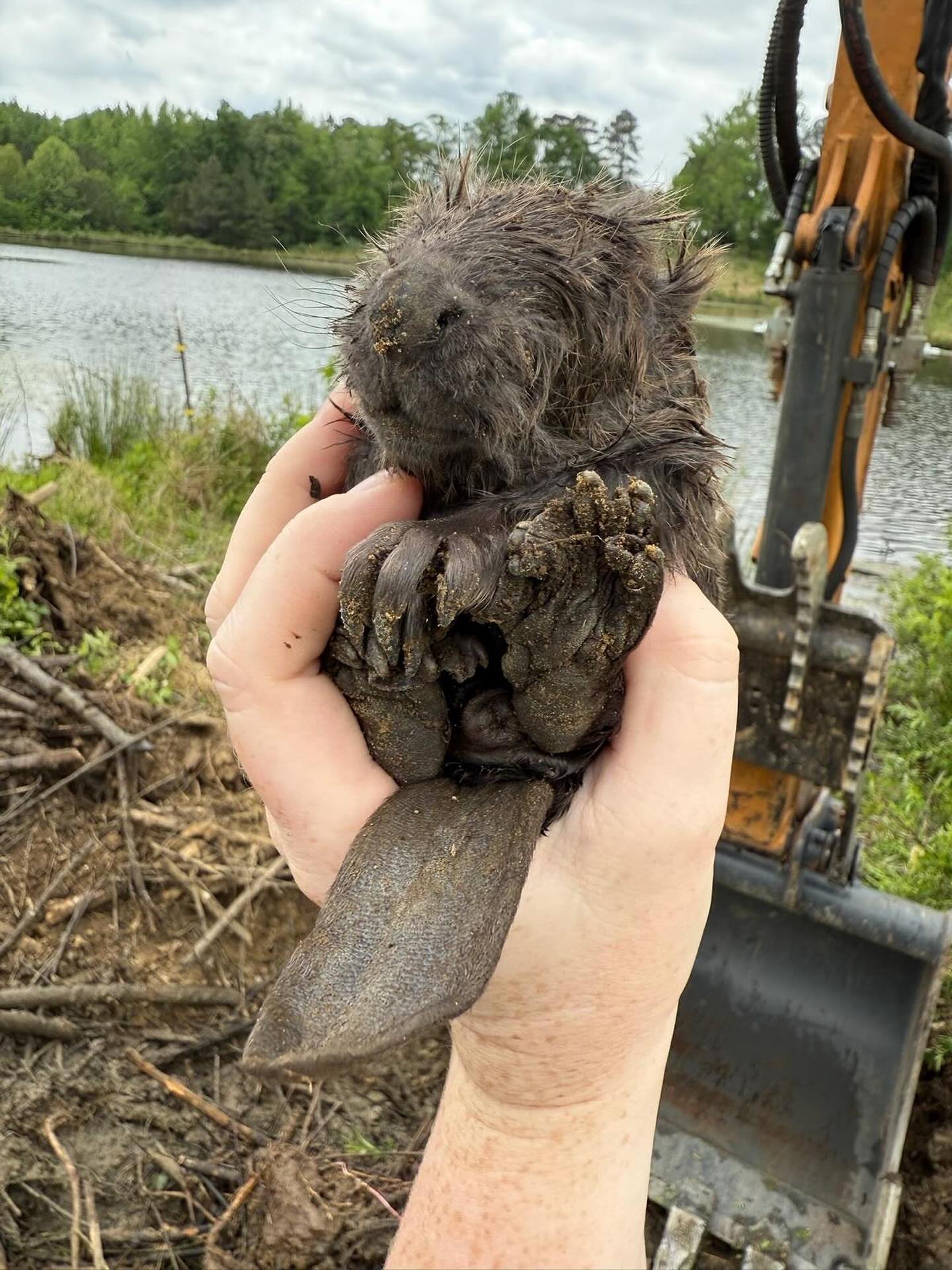
 This baby beaver’s lodge was being excavated when the workers heard a tiny little cry and out popped a vulnerable newborn baby beaver. Just moments before, the baby’s mother had swum out of the lodge trying to get away from the destruction of the lodge. We almost never suggest baby beaver reuniting because baby beavers are extremely prone to pneumonia and it’s often an emergency situation when one was found. But this was a rare case where we knew mom was right there and so we gave it a chance.
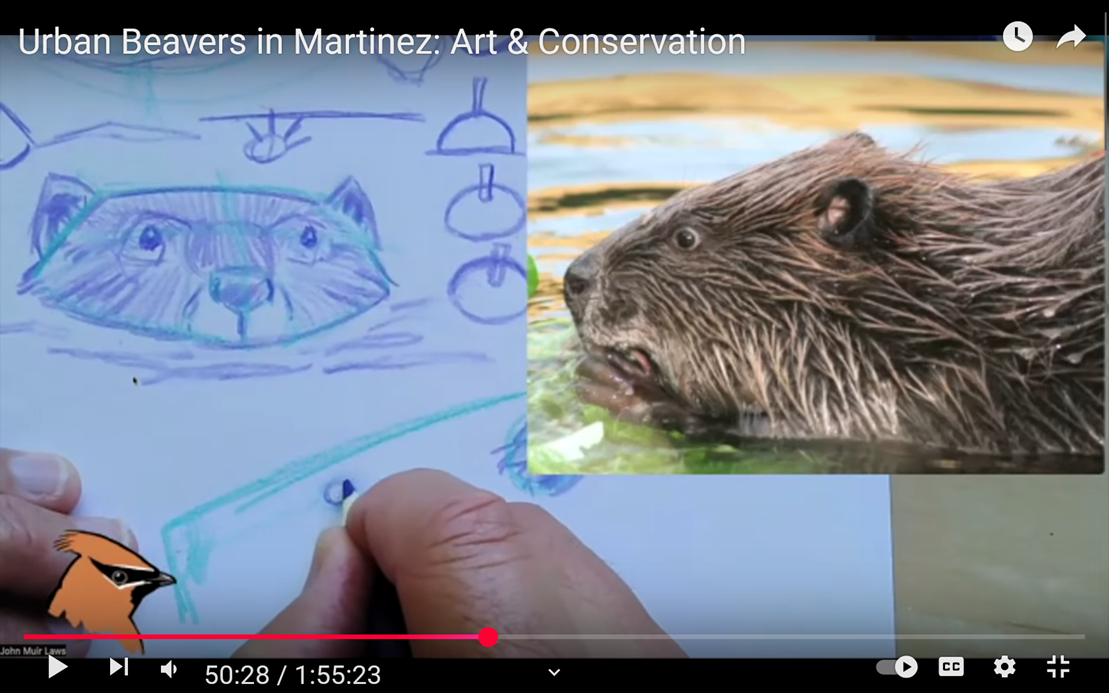 The week before the beaver festival I was invited to present about our beavers at the journaling workshop of John Muir Laws. The ideas is that the guest talks about their work in conservation of a species and then Jack teaches a virtual webinar to an untold number of students around the world and walks them through how to draw it.
 BEAVERCREEK — The Beaver Creek Wetlands Association will be hosting a new adventure later this Summer.
 Event organizers hope it will spark interest in children and teens between the ages of 10-15.